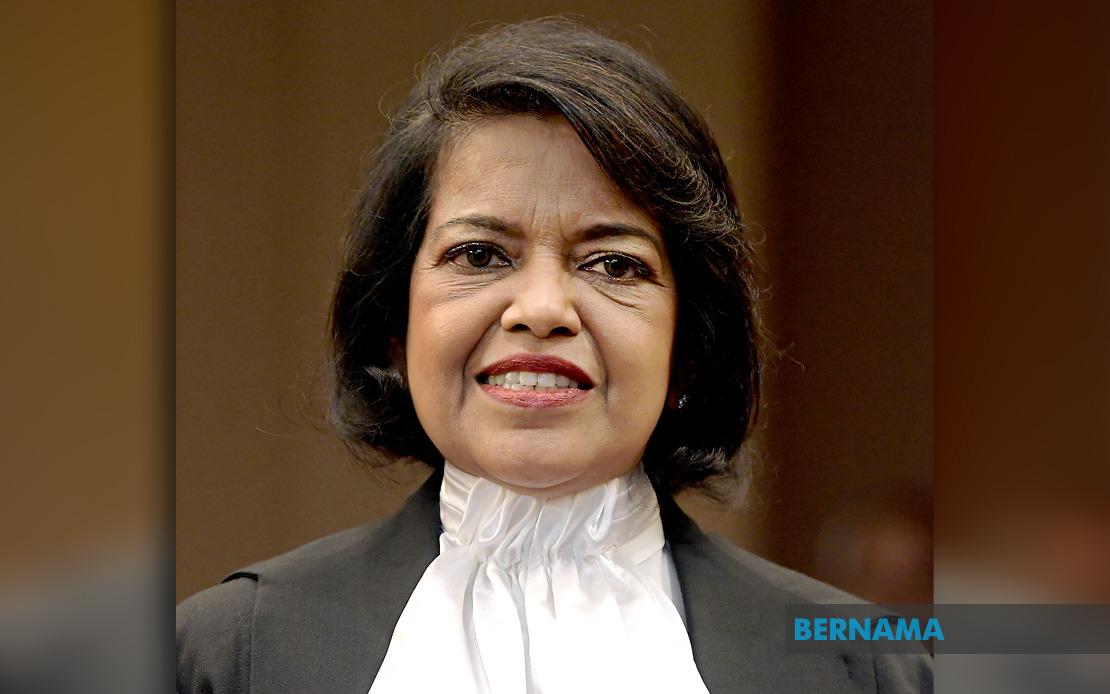
The Malaysian media industry has responded positively to Tan Sri Nallini Pathmanathan's appointment as head of the Malaysian Media Council (MMM), with senior figures expressing optimism about her capacity to reinforce press freedom and institutional integrity. The former Federal Court judge's selection was unanimously approved by MMM board members on May 26 under the MMM Act 2025.
MPI president Datuk Yong Soo Heong highlighted Nallini's judicial credentials as essential to the council's credibility, noting that her background ensures decisions will be anchored in principles of fairness, openness and public accountability rather than narrow interests. Her independent standing, he argued, would bolster public trust in the media's democratic function and boost the council's ability to handle industry concerns with impartiality.
National Journalism Laureate Datuk A. Kadir Jasin connected the appointment to long-standing industry goals, recalling his own advocacy for independent leadership dating to 1980s proposals for the National Union of Newspaper Editors. When he helped establish the MMM's foundation in 2018 as special media adviser to then Prime Minister Tun Dr Mahathir Mohamad, he emphasized the importance of both genuine independence and public perception of it — a standard he believes Nallini's background fulfils.
Mohamad Fauzi Ishak, president of the Malaysian Media Clubs Association (GKMM), identified the appointment as timely given escalating industry pressures from misinformation and artificial intelligence, alongside the need to strengthen the council's legal authority. He flagged that the MMM has fielded numerous complaints from practitioners but lacks sufficient statutory powers to resolve all grievances, suggesting a review of the MMM Act could expand the body's effectiveness in protecting member interests.
Fauzi underscored the necessity for leadership that navigates complex industry challenges while safeguarding press freedom and professional standards. He stressed that the council must remain insulated from external pressures and maintain the confidence of both media workers and the broader public through steadfast independence and impartiality.