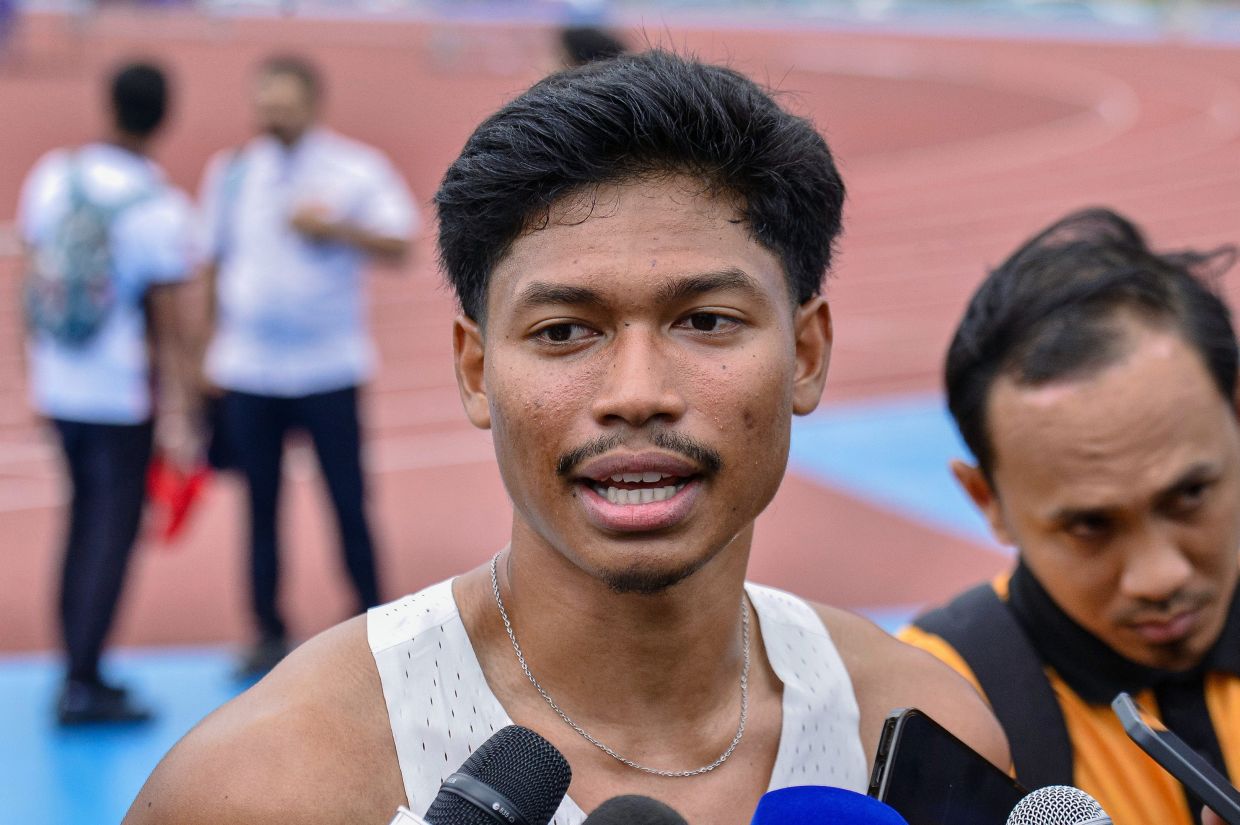
National sprinter Mohd Azeem Fahmi is embarking on his next chapter as a scholar, having secured admission to pursue a master's degree at Universiti Malaya (UM), Malaysia's flagship institution. The 21-year-old athlete recently concluded his undergraduate studies at Auburn University in Alabama and has chosen to continue his academic journey in his home country while maintaining his competitive edge in track and field.
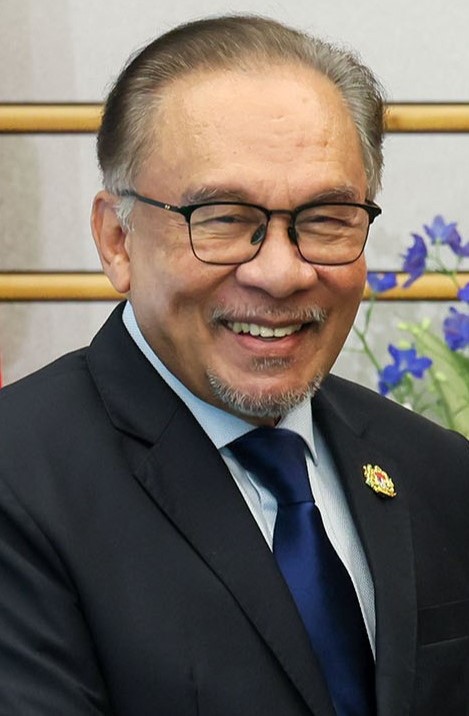
The decision to study at UM represents a strategic move for Azeem, who has demonstrated the capacity to excel both on the track and in the classroom. During a formal courtesy visit to UM's administrative offices this week, the sprinter was received by Vice-Chancellor Prof Datuk Seri Dr Noor Azuan Abu Osman, signalling institutional support for his postgraduate ambitions. The meeting underscored the university's commitment to nurturing athlete-scholars who can balance elite-level competition with rigorous academic pursuits.
Also present at the meeting were Associate Prof Dr Zulkarnain Jaafar, dean of the Faculty of Sports and Exercise Sciences, and Afizal Abu Othman, director of the Sports Centre. Their participation highlighted the university's holistic approach to supporting athletes, ensuring that facilities, coaching expertise, and academic resources align with Azeem's dual objectives. The vice-chancellor explicitly committed to facilitating optimal conditions for Azeem to succeed in his postgraduate programme, reflecting UM's broader vision of fostering well-rounded sporting talent.
UM's reputation as a breeding ground for elite Malaysian athletes provided a compelling draw for Azeem's decision. The university's distinguished alumni roster in athletics spans multiple decades and disciplines. Diving legends Datuk Pandelela Rinong, Ooi Tze Liang, and Bryan Nickson Lomas all studied there, cementing UM's status as a destination for Olympic and international-calibre competitors. In badminton, former national women's doubles player Vivian Hoo graduated from the university with a Bachelor of Sports Science degree in 2019, demonstrating the institution's reach across different sporting codes.
Azeem's recent form at competitive events validates his standing within the national athletics programme. At the Malaysian Open held last week at Universiti Putra Malaysia in Serdang, the sprinter secured two gold medals, winning both the men's 100-metre individual event and anchoring the 4x100-metre relay team to victory. His relay teammates—Danish Iftikhar Mohd Roslee, Pengiran Aidil Auf Hajam, and Mohd Armin Zahryl—benefited from his speed and technical proficiency, illustrating his value to the national squad across multiple formats.
Azeem's pathway to UM took him through Auburn University, where he spent nearly two years developing his craft under internationally recognised coaching. The athlete relocated to Alabama in January 2023 to pursue formal studies in exercise physiology and kinesiology, disciplines directly aligned with his sporting ambitions. Training under coach Ken Harnden, an accomplished mentor in American collegiate athletics, Azeem absorbed coaching methodologies and sports science principles that have evidently sharpened his competitive performance.
The transition from the United States collegiate system to Malaysia represents a calculated decision reflecting both personal and professional considerations. Auburn's athletic programme provided world-class training infrastructure and coaching, yet Azeem's choice to return for his postgraduate studies suggests confidence in UM's capacity to support his continued development. This reverse brain drain, where Malaysian talent educated abroad chooses to complete advanced qualifications domestically, represents an encouraging trend for higher education institutions locally.
For Malaysian athletics, Azeem's enrolment at UM carries implications beyond his individual trajectory. The nation's track and field programme has historically struggled to compete at Southeast Asian and Asian levels, let alone globally. The emergence of sprinters capable of winning medals at regional events while simultaneously pursuing rigorous academic credentials suggests a maturing ecosystem where athletic and intellectual development need not be mutually exclusive. This model could inspire other promising athletes to remain engaged with their studies rather than abandoning education for sport.
UM's deliberate positioning as a centre for athlete development aligns with contemporary trends in global sports, where universities increasingly function as talent pipelines and development hubs rather than merely academic institutions. The presence of dedicated sports science faculties, competition-standard facilities, and coaching staff creates an environment where athletes can pursue postgraduate qualifications while maintaining training intensity. This integration offers Azeem the best of both worlds as he enters what could be his most productive years athletically.
Looking ahead, Azeem's master's degree programme will likely focus on leveraging his practical experience as a competitive sprinter alongside theoretical knowledge in exercise physiology or sports management. Such credentials position athletes for roles in coaching, sports science, or athletics administration—career paths that increasingly attract elite competitors planning their futures beyond peak performing years. For Azeem, this educational foundation could enhance both his longevity in sport and his post-athletic prospects.
The sprinter's journey encapsulates broader conversations within Malaysian sports about sustainability and holistic athlete development. As regional rivals in Thailand, Vietnam, and Indonesia invest heavily in sporting infrastructure, Malaysia's advantage lies partly in its ability to integrate athletes into world-class universities. Azeem's presence at UM as both competitor and scholar reflects institutional confidence in this model and signals to other talented young athletes that pursuing excellence across academic and athletic domains remains not only possible but actively encouraged.