Bishnu Prasad Paudel, who previously served as Nepal's finance minister, was taken into custody late Monday following allegations of money laundering, according to statements from Nepal Police. His arrest represents another significant action in what has become an increasingly assertive anti-corruption initiative by the country's current government, which campaigned on a platform of rooting out financial misconduct in the public sector.
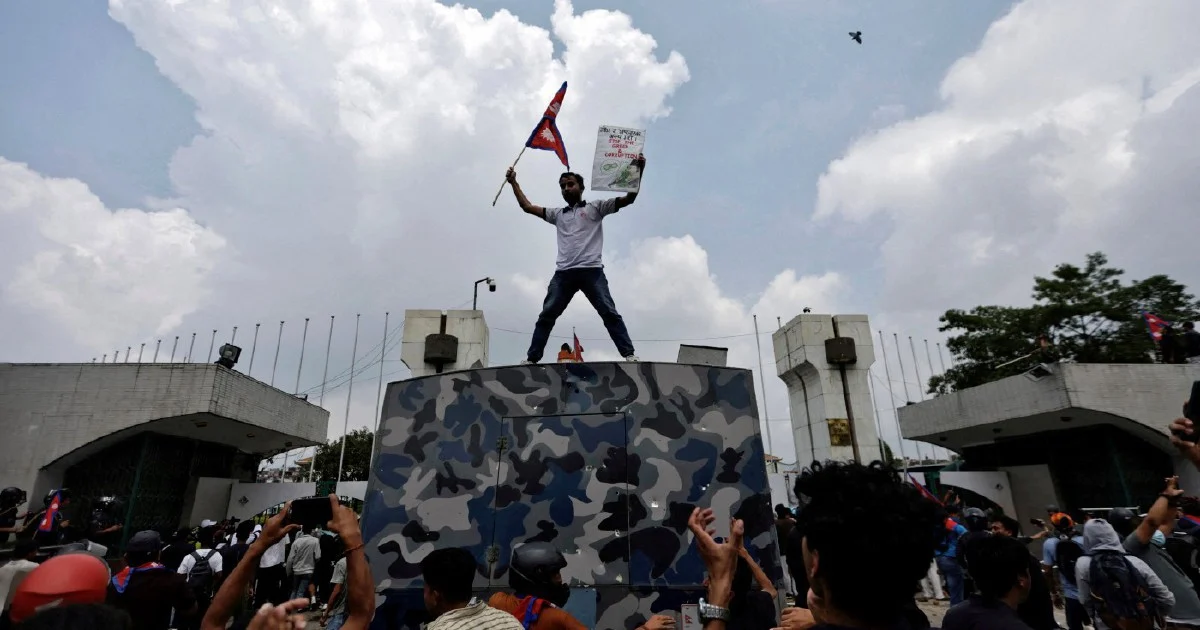
The apprehension of Paudel comes as Nepal's Generation Z-led administration has made combating graft a centrepiece of its governance agenda. Since taking office, the government has signalled its intent to investigate and prosecute officials from previous regimes accused of illicitly enriching themselves or diverting public funds. This aggressive prosecutorial posture marks a departure from earlier administrations that critics say were reluctant to pursue high-ranking former officials.
Money laundering investigations targeting senior public figures have become increasingly common across South Asia, where financial crime and the movement of proceeds from corruption remain persistent challenges. In Nepal's context, such cases often involve allegations that officials improperly converted or transferred state assets during their tenure. Paudel's detention suggests that authorities view the evidence against him as sufficiently credible to warrant arrest pending further investigation and potential prosecution.
The timing of Paudel's arrest is noteworthy given the broader political climate in Nepal. The current government, buoyed by electoral support from younger voters frustrated with corruption in previous administrations, has positioned itself as reform-minded. By visibly pursuing former officials irrespective of their rank, the government reinforces its anti-corruption messaging to the electorate and demonstrates follow-through on campaign promises.
For Malaysian observers, Nepal's approach to tackling legacy corruption offers relevant comparisons. Both nations struggle with institutional capacity to investigate and prosecute financial crimes, particularly those involving officials who may have considerable resources and political connections. The arrests of senior former finance ministers—whether in Kathmandu or Kuala Lumpur—underscore how corruption at the ministerial level can permeate governance systems and erode public trust in democratic institutions.
The specifics of the money laundering allegations against Paudel remain to be fully detailed in official statements and court proceedings. Money laundering charges typically involve proving that individuals moved funds derived from corrupt activities through financial systems to obscure their illicit origins. Establishing such cases requires sophisticated forensic accounting and often international cooperation to trace cross-border financial flows.
Paudel's arrest also reflects Nepal's broader regulatory environment. The country has strengthened its anti-money laundering framework in recent years, partly in response to international pressure from bodies monitoring compliance with global financial standards. However, implementation of these frameworks remains uneven, and political will—essential for prosecuting high-profile figures—has historically fluctuated.
The Generation Z-backed government that has pursued this investigation likely sees political advantage in demonstrating decisive action against corruption associated with predecessors. In nascent democracies and emerging economies, such highly visible prosecutions can serve multiple purposes: they may satisfy public demands for accountability, they can weaken political opponents, and they signal commitment to international observers concerned about governance standards.
For the South Asian region more broadly, anti-corruption campaigns targeting former ministers carry implications for institutional development. If pursued selectively based on political calculations rather than evidence, such efforts risk becoming weaponised as tools for political retribution rather than genuine anti-corruption mechanisms. However, when pursued systematically with proper due process, they can help establish precedent that public office does not confer immunity from prosecution for financial crimes.
Nepal's criminal justice system will need to navigate questions about burden of proof, admissibility of evidence, and procedural fairness as the Paudel case proceeds. International observers of governance and human rights groups will likely scrutinise whether investigations meet proper standards or whether they represent politically motivated persecution. The outcome of this case may influence how future governments approach prosecution of former officials across Nepal and the broader region.
The arrest comes at a moment when Nepal's government is attempting to consolidate legitimacy by addressing public grievances about corruption and mismanagement. Whether such efforts translate into genuine institutional reform or remain episodic depends partly on sustained political will beyond the current administration's tenure. For countries in Southeast Asia and South Asia grappling with similar challenges, Nepal's experience provides lessons in both the promise and perils of retrospective anti-corruption initiatives.