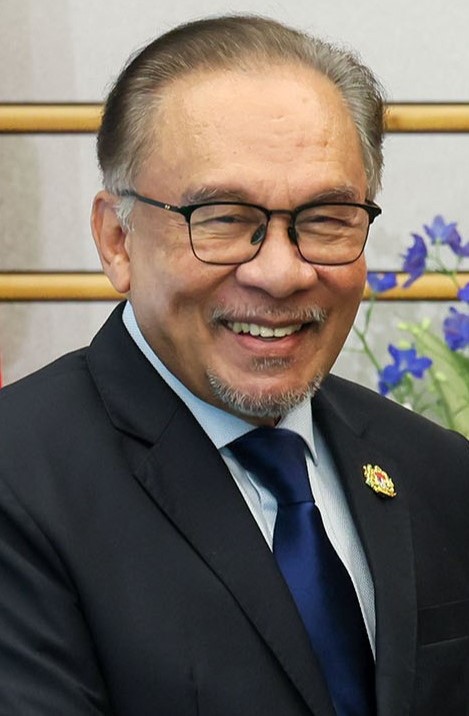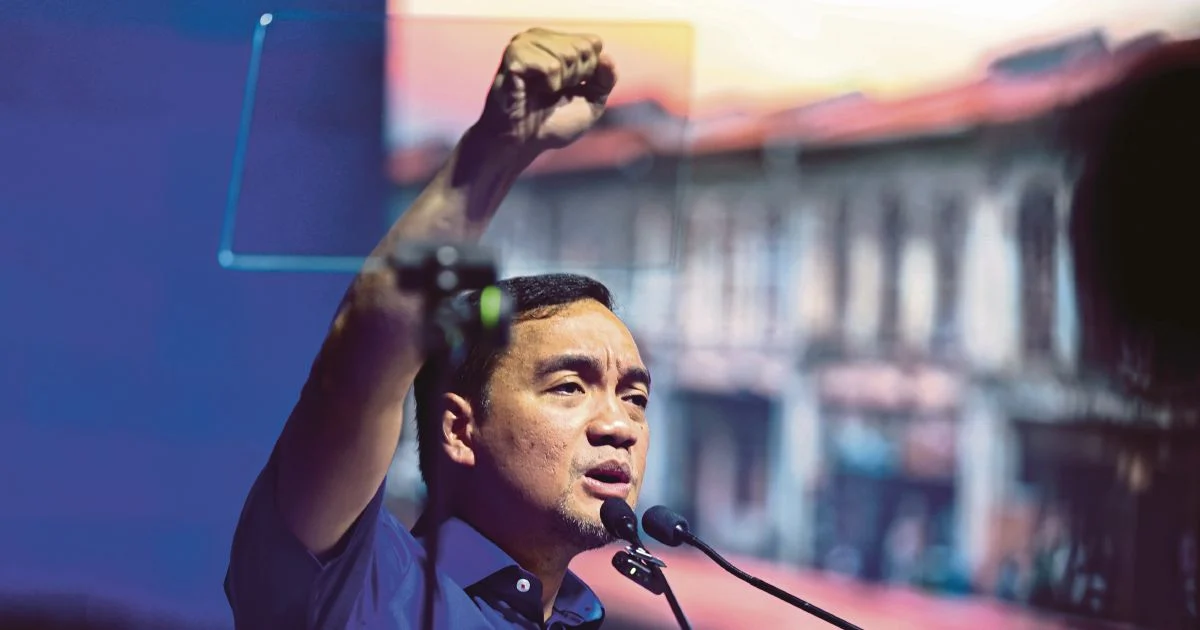
Caretaker Menteri Besar Datuk Onn Hafiz Ghazi has confirmed he will contest the Machap state assembly seat in the upcoming Johor election, maintaining his political presence in the constituency he currently represents.
The decision represents a significant development as Johor prepares for fresh electoral battles following the dissolution of the state assembly. Onn Hafiz's choice to stand for re-election demonstrates his confidence in retaining support among Machap voters despite the broader political landscape shifts that have prompted the election call.
Machap has been a reliable stronghold for Onn Hafiz, who holds the position of caretaker Menteri Besar during the pre-election period. His incumbency status provides considerable advantages in seeking another term, including the ability to leverage development projects and administrative actions undertaken in the constituency.
The timing of Onn Hafiz's announcement carries weight for United Malays National Organisation (UMNO) strategists planning the party's campaign across Johor. As a senior party figure serving as Menteri Besar, his decision to contest signals UMNO's determination to retain control of the state government. The party will likely prioritise defending seats held by established leaders rather than risking them in costly campaigns elsewhere.
For Malaysian political observers, Onn Hafiz's candidacy underscores the importance of local incumbency in state elections. Menteri Besar-level politicians typically enjoy substantial organisational resources, media coverage, and the ability to directly impact constituency development. These factors generally translate into electoral advantages that challenge opposition attempts to unseat sitting representatives.
The Machap constituency itself holds significance within Johor's political geography. Located in the southern region of the state, the seat represents a microcosm of Johor's demographic and economic dynamics. Its character as a mixed urban-rural area makes it representative of swing constituencies that determine overall election outcomes across the state.
Onn Hafiz's decision also reflects broader patterns within Malaysian state politics, where senior figures typically defend their home seats rather than contesting elsewhere. This consolidation of leadership presence in specific constituencies creates political strongholds that parties defend vigorously during election cycles. The strategy ensures that experienced leaders maintain direct constituencies for ongoing engagement with voters between electoral periods.
The upcoming Johor election will test whether the Machap electorate continues supporting Onn Hafiz's leadership or whether opposition parties can mobilise voters around alternative visions for the state. Incumbent advantage does not guarantee victory, particularly if opposition campaigns successfully highlight grievances or present compelling alternative candidates to challenger voters.
For Johor's political future, the performance of seats like Machap will significantly influence whether UMNO retains its dominant position or whether opposition parties gain momentum. The state has historically been a battleground between competing political coalitions, with results often reflecting broader national political trends. Onn Hafiz's electoral fortunes could therefore carry implications beyond Johor's boundaries.
The caretaker Menteri Besar will face the responsibility of balancing administrative duties with campaign activities during the pre-election period. This dual responsibility places considerable demands on state leadership, requiring careful navigation between maintaining governance standards and engaging in political contestation.
As campaigning intensifies across Johor, voters in Machap and across the state will assess which political forces offer the most compelling platforms for addressing local development priorities, economic opportunities, and social concerns. The election outcomes will ultimately reflect how electorates weigh incumbent performance against opposition alternatives within this evolving political context.