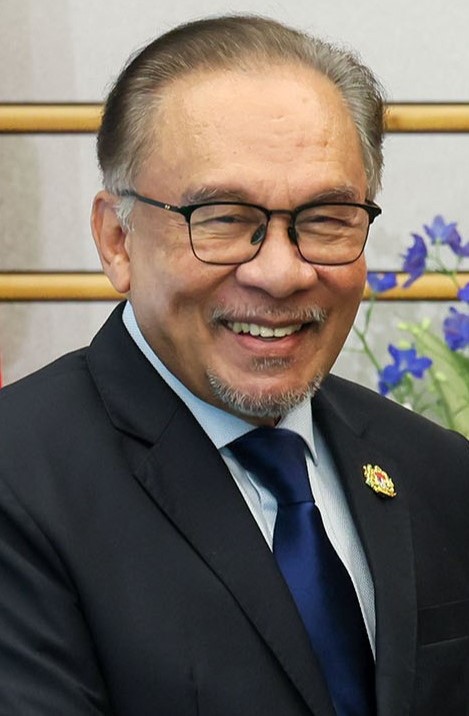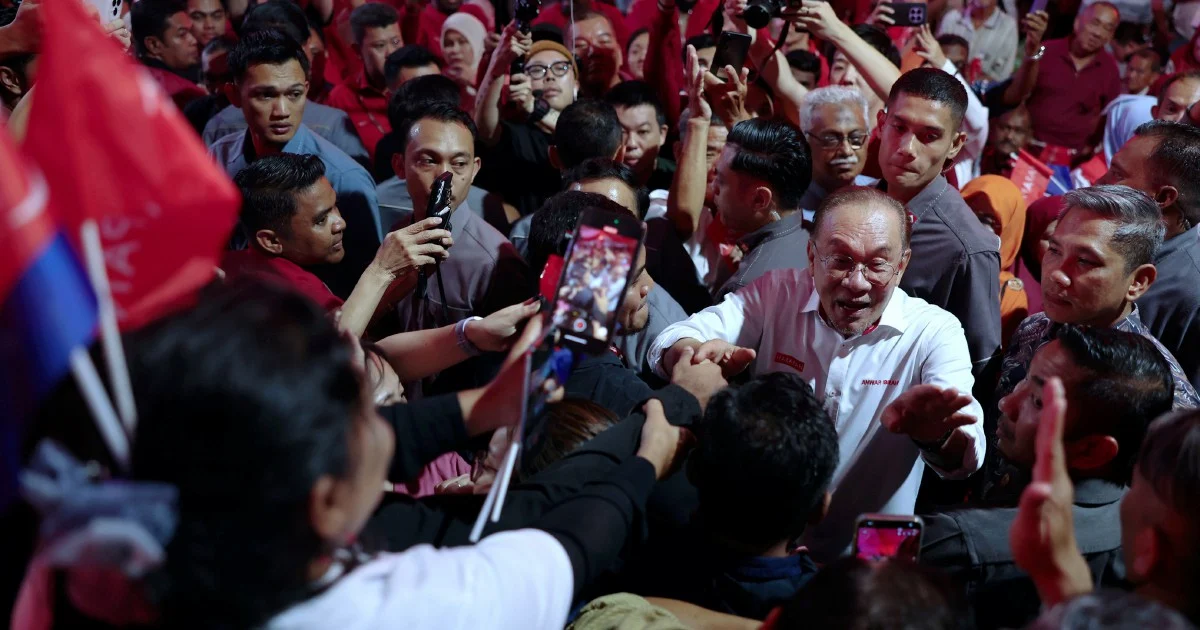
Pakatan Harapan formally presented its complete roster of 56 candidates for the Johor state election scheduled for July 11, positioning the coalition as a formidable contender for power in Malaysia's southernmost peninsula state. The announcement, delivered by coalition chairman Datuk Seri Anwar Ibrahim in Tangkak, represents a culmination of weeks of internal negotiations among PH's component parties and signals the opposition's intention to mount a comprehensive challenge across the state's constituencies.
The timing of the candidate unveiling marks a critical juncture in Johor's political landscape. As one of Malaysia's most economically significant states and a traditional stronghold of the Barisan Nasional, any credible opposition showing would represent a substantial shift in the state's electoral dynamics. Johor's political fortunes have long been tied to the federal government's performance, making the July 11 election a potential barometer of voter sentiment regarding the current administration and its policies.
Anwar Ibrahim's personal involvement in the candidate announcement underscores the national profile of this state election. As opposition leader and head of PH, his presence in Tangkak conveyed the coalition's view that Johor represents not merely a local electoral contest but a significant battleground with implications for Malaysia's broader political trajectory. The coalition's decision to field candidates in all 56 state assembly seats demonstrates its commitment to contesting comprehensively rather than selectively, a strategy that signals confidence in its organisational capacity and electoral appeal.
The composition of PH's candidate slate reflects the coalition's attempts to balance representation across its member parties, including PKR, DAP, Amanah, and other allied groups. These internal arrangements often involve delicate negotiations regarding seat allocation and nominee selection, particularly in constituencies with strong historical affiliations to specific parties. The successful announcement of a complete slate suggests that PH has navigated these negotiations, though the true test will come when voters assess the viability and appeal of individual candidates in their respective constituencies.
Johor's electoral significance extends beyond state-level governance. The state contributes substantially to federal revenue and economic output, with a population exceeding 4 million residents distributed across urban centres like Johor Bahru, Kota Tinggi, and Pasir Gudang, as well as rural constituencies. The composition of candidates across these diverse constituencies will likely reflect PH's strategy to appeal to urban voters, rural communities, and various demographic groups simultaneously.
Historically, Johor has been a BN stronghold, with the coalition winning consistently in state elections. PH's comprehensive candidate list suggests the opposition believes conditions have shifted sufficiently to mount a genuine challenge. Recent years have witnessed fluctuations in voter loyalty across Malaysian states, with some constituencies demonstrating increased willingness to consider opposition alternatives. Whether this trend extends to Johor remains uncertain, but PH's full-slate strategy indicates the coalition views this as achievable.
The opposition coalition faces multiple challenges in Johor beyond candidate quality and campaign messaging. The incumbent government possesses significant administrative machinery, resource advantages, and media relationships that opposition parties must overcome. Additionally, anti-hop legislation and other structural factors influence electoral calculations for both incumbent and opposition candidates, shaping their strategic choices during campaign periods.
Regional context adds another dimension to Johor's election. As a state sharing direct borders with Singapore and serving as a crucial economic corridor, Johor's governance affects cross-border commerce, infrastructure investment, and bilateral relations. Both BN and PH campaigns are likely to emphasise economic development, infrastructure projects, and investor confidence, recognising that corporate and international actors monitor political outcomes for implications regarding business environment stability.
The July 11 election date positions Johor's polls as a significant mid-year electoral event within Malaysia's broader political calendar. Depending on results, the outcome could influence sentiment regarding subsequent electoral contests and the viability of various political alliances. A strong PH showing could energise the opposition nationally and demonstrate that BN's electoral supremacy remains challengeable even in traditionally safe territories. Conversely, a decisive BN victory would reinforce the incumbent coalition's dominance and suggest opposition gains in other states may represent anomalies rather than sustained realignment.
For Malaysian voters and observers across Southeast Asia, the Johor election represents a test of whether recent democratic developments in Malaysia—including the possibility of regular competitive elections and power transitions—have become normalised or remain contingent on specific circumstances. PH's fielding of 56 candidates expresses confidence that Johor voters will seriously consider alternatives to the incumbents, reflecting broader assumptions about Malaysian electorate sophistication and willingness to hold governments accountable through the ballot box.
The weeks ahead will reveal how effectively PH's candidates can campaign, articulate policy positions, and connect with constituents. The coalition's success will depend not merely on the quality of individual nominees but on its ability to craft a coherent state-level narrative that addresses Johor-specific concerns while resonating with broader Malaysian aspirations regarding governance, accountability, and economic opportunity.