Penang emerges as the focal point for Malaysia's journalism community tomorrow when the National Journalists' Day (HAWANA) 2026 summit reaches its pinnacle, convening roughly 1,000 media practitioners from across the nation and internationally. The gathering represents a significant occasion dedicated to honouring the instrumental function journalism fulfils in disseminating information with both integrity and credibility to the public. This convergence underscores the profession's continued relevance in an era marked by information proliferation and growing scrutiny over media standards.
Prime Minister Datuk Seri Anwar Ibrahim will preside over the official proceedings at 3 pm, elevating the occasion's political prominence and signalling governmental commitment to supporting press freedom and journalistic excellence. The attendance of senior officials including Penang Chief Minister Chow Kon Yeow, Communications Minister Datuk Fahmi Fadzil, and Communications Ministry secretary-general Datuk Abdul Halim Hamzah reflects the multitier governmental engagement with the media sector. Such participation demonstrates recognition that media professionalism extends beyond editorial rooms into the broader governance framework.
The summit's central theme, "Media Integrity Strengthens Credibility", addresses a critical concern facing contemporary journalism globally and within Southeast Asia specifically. In Malaysia's context, where media narratives shape public discourse around governance, development, and social cohesion, reinforcing professional standards and ethical practices carries pronounced strategic importance. The themed focus invites practitioners to examine how adherence to verification protocols, source protection, and editorial independence directly influences audience trust and democratic participation.
Organisers have secured substantial backing from institutional partners, with Malaysian National News Agency Bernama leading coordination efforts alongside MyCreative Venture under the Communications Ministry's purview. Datin Paduka Nur-ul Afida Kamaludin, who chairs both Bernama and the HAWANA 2026 Working Committee, has characterised the event as extending beyond ceremonial recognition toward fostering substantive professional networks and community engagement. This positioning reframes HAWANA from a retrospective celebration into a forward-looking platform where media practitioners strengthen collegial bonds and enhance their collective influence on information quality.
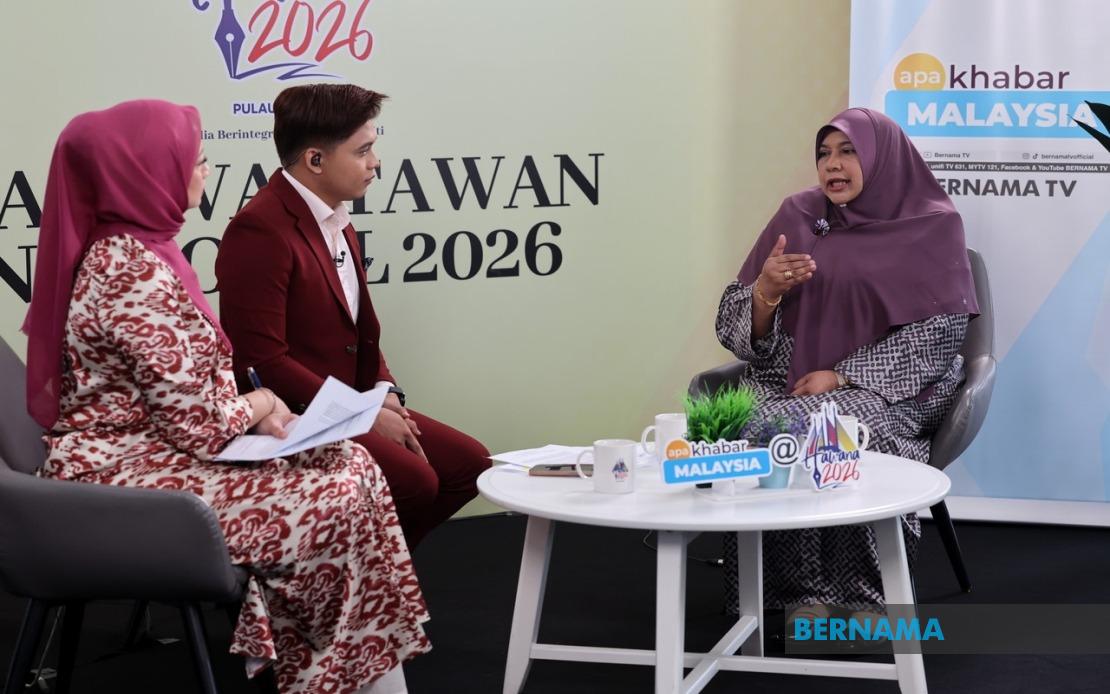
The summit will receive nationwide broadcast coverage through Bernama TV, Radio Television Malaysia, and TV AlHijrah, complemented by dissemination across social media channels. This multimedia approach maximises accessibility and allows public observation of proceedings, embedding transparency within the celebration itself. For Malaysian audiences and regional observers, witnessing how the journalism profession publicly addresses integrity questions offers insights into institutional resilience and professional self-regulation mechanisms.
Beyond the main summit, Prime Minister Anwar Ibrahim will distribute contributions from Tabung Kasih@HAWANA to journalists facing financial hardship, acknowledging that professional sustainability directly affects editorial independence and workforce stability. The presentation of HAWANA Awards and Special Awards to figures advancing journalism and public discourse formalises recognition of exemplary contributions. Additionally, prizes will be awarded to winners of the HAWANA-DBP Pantun Festival held previously, blending traditional literary forms with contemporary media recognition.
Parallel programming enriches the overall event landscape, including the RIUH Pi HAWANA Carnival operating across three days at the PICCA Convention Centre parking lot. This interactive component features performances by artists including Exists, Bunkface, Masdo, Sakura Band, Budak Nakal Hujung Simpang, and Chelsea Ng, alongside more than 24 local creative product vendors and 20 food and beverage establishments. The carnival's structure deliberately bridges professional media discourse with broader public entertainment, positioning journalism within the wider cultural ecosystem rather than as an insulated professional domain.
The accumulated programming reflects careful orchestration spanning several months of preparation. Preceding the summit were the HAWANA 2026 Media Forum conducted on May 7, a Strategic Partner Meeting on June 4, and a Fun Walk event on June 14, each designed to build momentum and deepen stakeholder engagement. This sequenced approach cultivates sustained attention toward media professionalism throughout a campaign period rather than concentrating focus on a single ceremonial occasion.
HAWANA's annual observance on May 29 commemorates the publication of Utusan Melayu newspaper's inaugural edition on that date in 1939, marking a foundational moment in Malaysia's modern media history. This historical grounding connects contemporary practitioners to journalism's institutional legacy and independence struggles during pre-independence and formative national periods. For younger media professionals, understanding this heritage contextualises their current professional obligations within a continuum of advocacy for free expression and information integrity.
The Ministry of Communications' designation of Bernama as implementing agency institutionalises media recognition within governmental structures, though such arrangements warrant ongoing scrutiny regarding editorial autonomy. International media observer bodies have historically engaged with Malaysia's press environment, noting instances where state proximity influences editorial directions. The HAWANA 2026 summit's explicit commitment to integrity and credibility messaging may reflect efforts to reinvigorate public confidence in domestic media institutions amid broader regional concerns about information quality and polarised media landscapes.
For Malaysia's expanding media sector and the Southeast Asian journalism community broadly, this summit signals that professional standards discourse remains central to institutional legitimacy. The gathering occurs within a regional context where Myanmar, Thailand, and the Philippines face significant press freedom challenges, rendering Malaysia's capacity to convene public celebrations of journalistic professionalism noteworthy. The summit's accessibility through broadcast and social media platforms enables comparative observation of how different nations' media communities address common challenges around information integrity and professional resilience.
The involvement of top management from local media companies ensures that commercial operators engage substantively with professional development agendas. This inclusivity acknowledges that news production occurs across diverse organisational models—public broadcaster, national agency, and private enterprise—each with distinct operational pressures and editorial considerations. Building solidarity across these entities supports sector-wide advocacy for press freedom protections and professional labour standards.
As Malaysia navigates evolving information landscapes characterised by algorithmic content distribution and audience fragmentation, HAWANA 2026's emphasis on strengthening integrity and credibility addresses fundamental questions about journalism's future role. The summit provides an opportunity for practitioners to examine how traditional verification standards adapt to digital environments, how economic pressures affect editorial independence, and how journalists rebuild audience trust amid global skepticism toward media institutions. Tomorrow's gathering in Penang represents not merely historical commemoration but active engagement with journalism's contemporary challenges and its continuing importance to informed democratic citizenship.