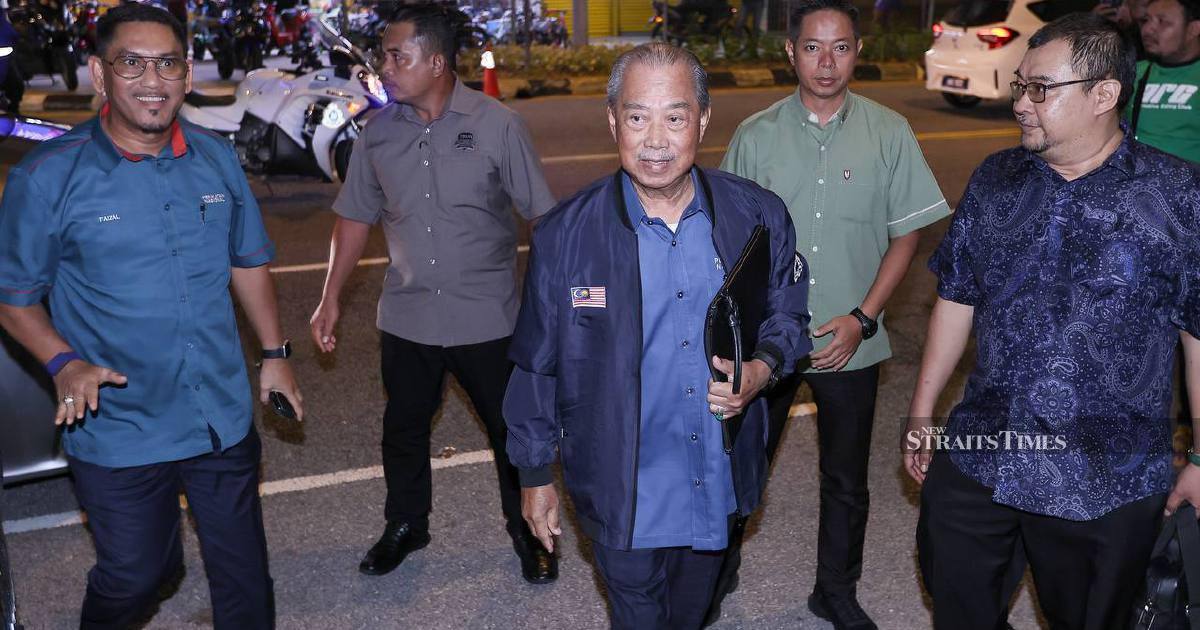
The opposition coalition Perikatan Nasional has convened an emergency meeting of its Supreme Council at the headquarters of its largest component party, Pas, in Kuala Lumpur, underscoring growing tensions within the bloc as it navigates a complex political landscape in Malaysia.
The decision to call such a high-level session represents a significant moment for the coalition, which has positioned itself as a counterweight to the ruling Pakatan Harapan government. Emergency meetings at the Supreme Council level typically indicate that coalition leadership perceives an urgent matter requiring immediate attention and collective decision-making among its most senior figures.
Peikatan Nasional, which comprises Pas, Bersatu, Gerakan, and several smaller parties, has been working to consolidate its position as Malaysia's main opposition force since its formation. The coalition's performance in the last general election and subsequent political developments have shaped its trajectory, but internal dynamics and external pressures continue to test the durability of the partnership between its constituent parties.
The convening of leaders at PAS headquarters, where the meeting was held, carries symbolic weight within Malaysian political circles. PAS, as the numerically strongest member of PN and the party with the deepest organisational roots across the country, often serves as the coalition's anchor. The choice of venue may reflect the gravity with which all parties view the matters under discussion.
Emergency sessions of this nature are seldom called without serious cause. In Malaysian politics, such meetings frequently address concerns ranging from internal disciplinary matters and coalition unity to responses to government actions or shifts in the broader political environment. The timing and composition of those attending can offer clues about the issues under deliberation, though such proceedings are typically conducted behind closed doors.
For Malaysian observers, the emergence of PN as a cohesive opposition force has represented a significant realignment from the political structures that dominated the country for decades. The coalition's ability to maintain unity while managing the distinct ideological positions and interests of its members remains a central question in assessing its long-term viability. Emergency meetings serve as crucial moments where such tensions can be either defused or, conversely, exacerbated.
The broader Southeast Asian context also bears relevance here. Malaysia's political stability and the health of its opposition have implications that extend beyond national borders, affecting investor confidence, regional diplomatic relationships, and the balance of democratic institutions across the region. A fractured or dysfunctional opposition can have consequences for the overall quality of governance and accountability.
Within the PN coalition itself, the relationship between Pas and Bersatu has been particularly significant. Both parties carry substantial political weight but represent somewhat different constituencies and priorities. Pas draws strength from rural and religious-conservative segments, while Bersatu, formed more recently by former Prime Minister Muhyiddin Yassin, has sought to position itself as a moderate alternative. Managing these differences while maintaining a united front against Pakatan Harapan requires constant negotiation and mutual commitment.
The emergency nature of this council meeting may also reflect responses to developments in the ruling coalition or shifts in government policy that PN leadership believes warrant a coordinated response. Opposition parties in Malaysia, as elsewhere, must balance between collaborating internally and competing for distinct electoral support. Emergency sessions provide opportunities to calibrate messaging and strategy in response to evolving circumstances.
For Malaysian political watchers and international observers, the outcome and any public statements from this meeting will be closely scrutinised. Whether the coalition emerges more unified or with visible fractures could influence political dynamics in the coming months, affecting everything from parliamentary business to preparations for future electoral contests.
The gathering also occurs within a broader context where coalition politics in Malaysia continue to evolve. The country has experienced multiple realignments in recent years, with parties shifting alliances and voters reassessing their political preferences. PN's role in this landscape remains contested and subject to ongoing negotiation among its membership.
As the meeting proceeds, PN members will face decisions that could shape the coalition's immediate actions and longer-term strategic direction. Whether the discussion focuses on internal governance, external political challenges, or both, the session represents a critical moment for the bloc to demonstrate its capacity for decisive leadership and unity under pressure.