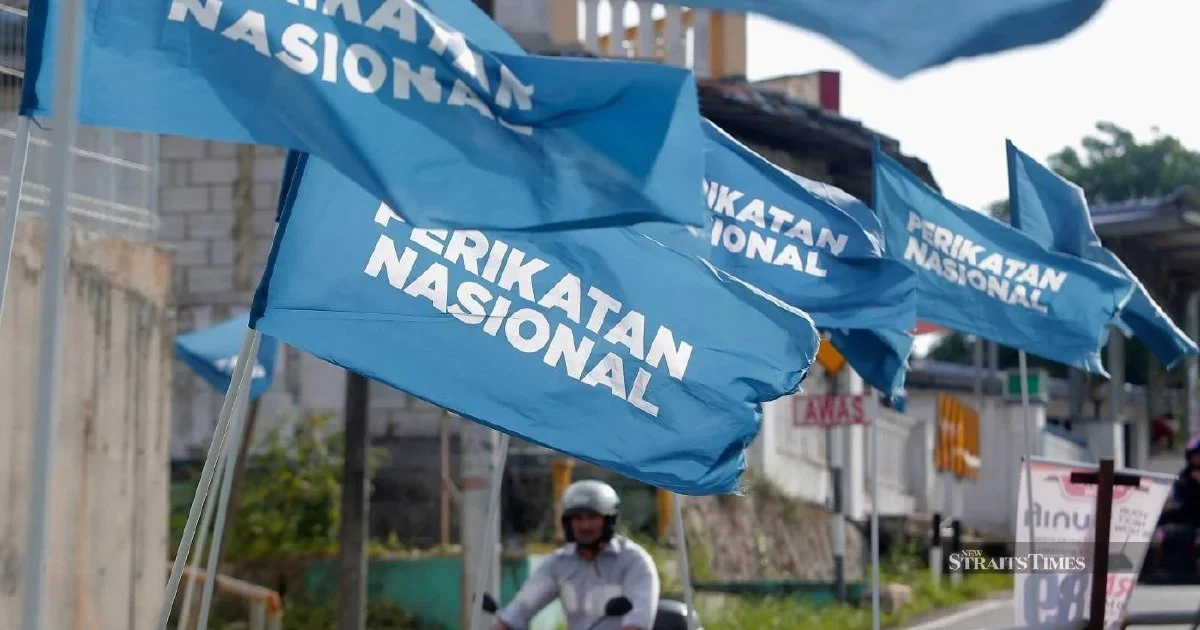
Perikatan Nasional appears determined to hold its alliance with Bersatu intact as the coalition faces crucial state elections in Johor and Negri Sembilan, according to observers tracking Malaysia's fractious political landscape. The coalition's apparent reluctance to allow internal disagreements to spiral into open conflict suggests a tactical calculation that unity serves its electoral interests better than public discord during this sensitive period.
The timing of electoral contests in two significant peninsular states creates immediate pressure on PN's leadership to present a united front. Both Johor and Negri Sembilan carry substantial weight in national politics, with their combined state assemblies holding considerable influence. Any visible strain between PN's component parties could undermine confidence among voters and potentially embolden rival coalitions seeking to exploit divisions. Analysts suggest the coalition recognises that permitting Bersatu to drift toward adversaries or remain alienated would fundamentally weaken its competitive position.
Bersatu's position within the broader political ecosystem remains somewhat delicate despite its role as a founding member of PN. The party has navigated substantial challenges since its emergence, including leadership transitions and questions about its independent viability outside coalition arrangements. Retaining Bersatu's active participation and goodwill becomes strategically valuable precisely because the party commands grassroots structures and voter constituencies that PN requires to maximise support. Losing Bersatu to opposition ranks or allowing it to operate as a reluctant partner could reshape competitive dynamics unfavourably.
The coalition has demonstrated flexibility in managing internal tensions on other occasions, recognising that rigid adherence to factional demands risks triggering broader instability. By maintaining what observers describe as careful equilibrium between PN's various components, leadership has historically attempted to preserve the broader alliance framework even when individual members harbour grievances. This approach reflects the reality that Malaysian coalition politics often hinges on pragmatic tolerance rather than ideological harmony, with partners accepting accommodations to secure collective advantage.
Johor represents particularly significant electoral ground given the state's economic importance and substantial number of parliamentary seats. A strong performance there could substantially enhance PN's standing nationally and demonstrate the coalition's continued relevance to voters concerned about governance and representation. Similarly, Negri Sembilan's state elections carry weight beyond the state's geographic size, as results contribute to broader narratives about which coalitions command public confidence. Success in these contests would provide PN with renewed momentum heading into subsequent electoral cycles.
The electoral calendar itself creates incentives for coalition management. Immediate contests demand focus on campaign messaging and mobilisation rather than settling internal disputes. Party leaders understand that public quarrels over resource allocation, candidate selection, or policy direction inevitably distract from presenting coherent electoral platforms to voters. The necessity of concentrating organisational energy on winning contests pushes parties toward resolving or temporarily suppressing disagreements that might otherwise demand full airing.
Bersatu's circumstances merit particular consideration in understanding PN's calculations. The party's sustainability as an independent political force remains uncertain, making its relationship with PN fundamentally important to its survival. Bersatu leaders recognise that options for profitable alternative alliances may be limited, strengthening PN's leverage while also suggesting that Bersatu has substantial incentive to demonstrate value and reliability within the current arrangement. This mutual dependency creates conditions favouring accommodation over confrontation.
Observers note that coalition stability in contemporary Malaysian politics increasingly depends on sophisticated communication among party leaderships about expectations, resource sharing, and strategic direction. Rather than relying on formal written agreements alone, successful coalitions maintain relationships of trust and regular consultation that permit resolving emerging tensions before they become public. PN appears engaged in such dialogue regarding Bersatu, suggesting awareness that managing relations requires proactive attention rather than allowing grievances to accumulate.
The broader political environment adds another layer to PN's apparent commitment to maintaining Bersatu's position. With other coalitions also managing internal complexities, projecting stability carries competitive advantage. Voters and political observers often interpret coalition breakdowns as signs of organisational weakness or leadership failure, making demonstration of coherence strategically valuable. PN's apparent investment in keeping Bersatu satisfied thus simultaneously serves electoral positioning and internal cohesion objectives.
Regional considerations also feature in these calculations. Southeast Asian politics increasingly reflects patterns where electoral success requires broad coalition management and the maintenance of participant satisfaction across diverse party structures. Malaysia's experience with coalition dynamics influences broader regional observations about political stability and democratic competition. PN's approach to preserving its alliance structures therefore carries relevance beyond immediate electoral contests, contributing to wider patterns of political adaptation.
Looking forward, the outcomes in Johor and Negri Sembilan will likely shape PN's internal dynamics substantially. Electoral success would vindicate current coalition management approaches and reduce pressure for internal restructuring. Conversely, disappointing results might prompt more aggressive recalibration of relationships and resource allocation. Party leadership clearly recognises these stakes, explaining the apparent premium placed on maintaining harmony through the electoral period ahead.