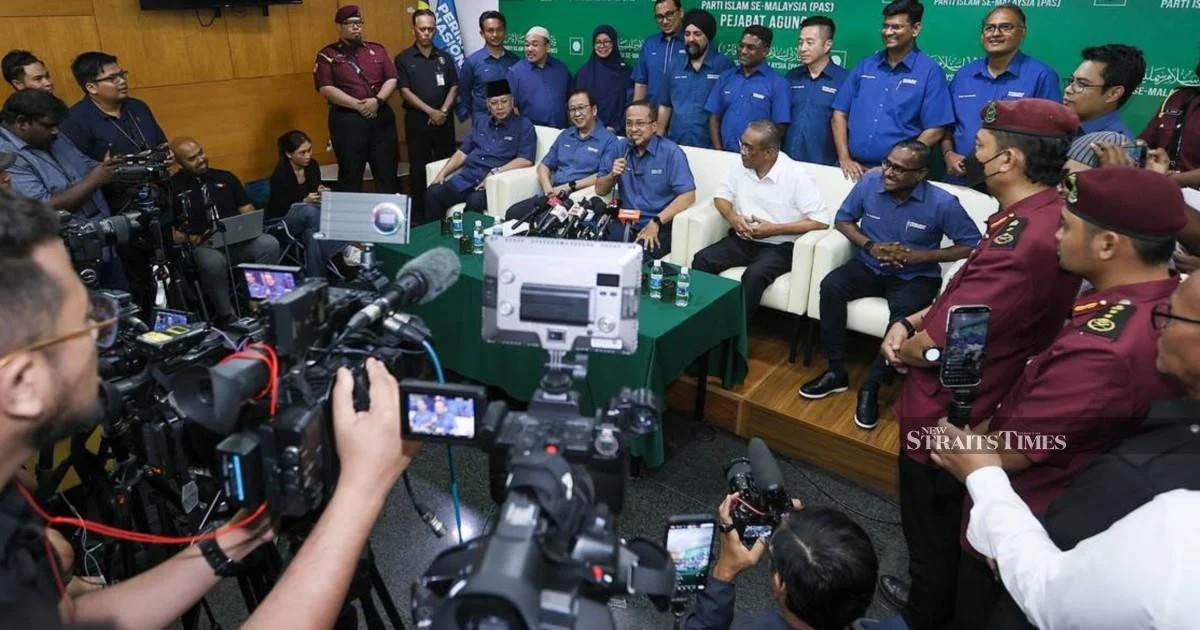
Perikatan Nasional (PN) is moving forward with its electoral preparations for Johor, bringing coalition partners together for a decisive session today to lock in their seat distribution strategy for the state assembly election. The special meeting represents a critical juncture in the opposition coalition's efforts to consolidate its electoral machinery and present a unified frontline in the crucial southern state.
The finalisation of seat allocations is a fundamental step in any coalition's election readiness, requiring careful balancing of political interests and strategic considerations among multiple parties. For Perikatan Nasional, which comprises diverse political actors with varying regional strengths and support bases, reaching consensus on which candidates will contest which constituencies demonstrates the coalition's ability to maintain cohesion despite the inherent pressures that arise when partners must sacrifice electoral opportunities in certain areas.
Johor's political significance extends beyond its state boundaries, carrying implications for the broader national political landscape. As Malaysia's second-largest state by population and a strategically important economic hub in the southern region, electoral outcomes in Johor often reverberate across the country's political sphere. The state has been a focal point of intense competition between ruling and opposition coalitions, making internal seat allocation decisions particularly consequential for Perikatan Nasional's overall strategy.
The coalition's seat negotiation process typically involves complex calculations regarding demographic composition, historical voting patterns, incumbent strengths, and the relative bargaining power of individual parties within the broader alliance. Each coalition member seeks to maximise its representation while the coalition as a whole must optimise its chances of capturing the maximum number of state seats. These competing objectives often require intensive behind-the-scenes negotiation and compromise before a final agreement can be announced.
For Perikatan Nasional's constituent parties, the Johor election represents an opportunity to demonstrate electoral viability and expand their political footprint in a state that has historically been contested territory. The coalition's performance in Johor will be closely scrutinised not only by supporters and opponents but also by internal stakeholders assessing their individual parties' prospects within the broader framework of national politics. Strong results could strengthen party leaders' negotiating positions in future coalition arrangements, while disappointing showings might raise questions about electoral strategy and candidate selection.
The timing of today's decision is significant as it allows the coalition to proceed with campaign preparation and candidate registration within established deadlines. Election preparation timelines are typically compressed, requiring political parties to move swiftly from strategic decisions to ground-level campaign activation. By finalising seat allocations now, Perikatan Nasional enables its candidates and party machinery to commence focused campaigning, media outreach, and grassroots mobilisation without the uncertainty that prolonged internal negotiations would create.
Johor's electorate has demonstrated considerable political dynamism in recent elections, with voters frequently expressing willingness to shift allegiances based on performance assessments and perceived credibility of alternative options. This volatility places particular emphasis on the quality of campaign execution and the relevance of messaging to local concerns. Perikatan Nasional's seat distribution must therefore not only reflect internal party equilibrium but also optimise the deployment of candidates likely to resonate effectively with Johor's diverse voter communities across urban, suburban, and rural constituencies.
The special meeting format indicates the significance party leaders attach to reaching consensus promptly, potentially reflecting time pressures associated with election preparation or a need to clarify coalition positioning before public announcements. Political coalitions often schedule dedicated sessions when decisions carry substantial weight or when broader party bases require transparent decision-making processes that inspire confidence in the outcomes.
Seat allocation outcomes will shape the narrative surrounding Perikatan Nasional's electoral campaign, influencing media coverage, opponent messaging, and supporter confidence levels. Successful allocation decisions generally support coalition messaging about unity and strategic clarity, whereas protracted negotiations or contested settlements can invite scrutiny about internal cohesion and leadership effectiveness. Today's decision therefore carries symbolic weight alongside its practical electoral significance.
The broader Malaysian political context makes Johor particularly important for opposition coalitions seeking to build momentum and credibility as an alternative government option. Strong electoral performance in significant states strengthens national political positioning and can influence political calculus among parties considering coalition participation or reconfiguration. Perikatan Nasional's success in finalising these arrangements smoothly and emerging with a coherent electoral package will be closely watched as an indicator of coalition discipline and operational capacity.