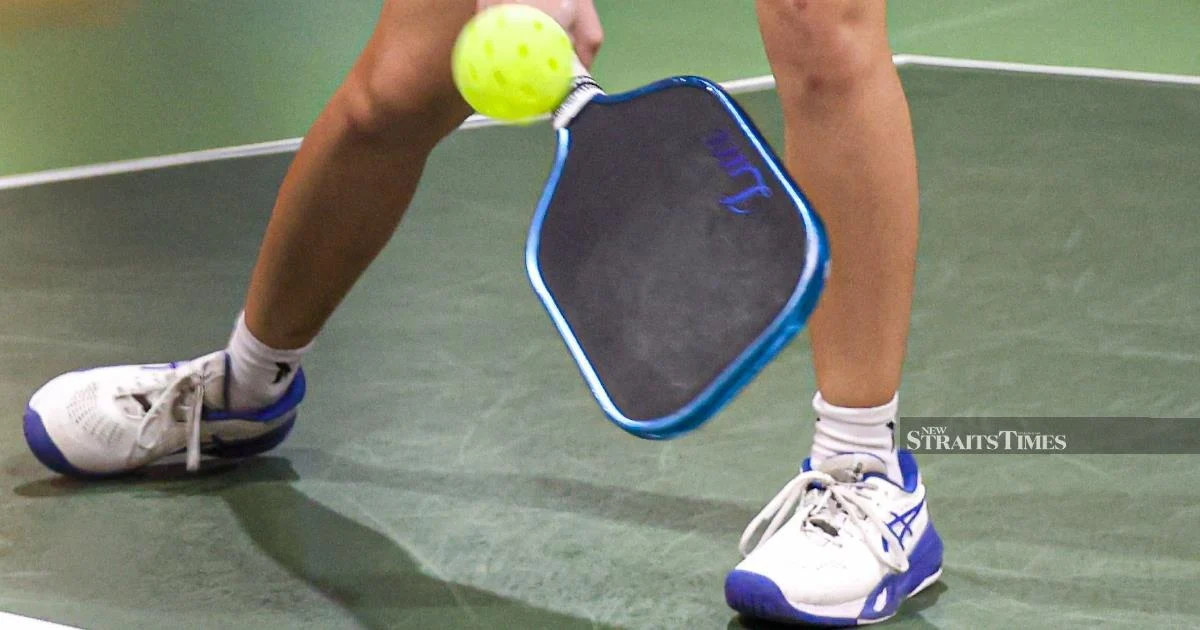
A contentious late-night pickleball match in Petaling Jaya has unleashed renewed scrutiny over how Malaysian local councils oversee recreational facilities, with residents and stakeholders now questioning whether current approval mechanisms adequately protect neighbourhood liveability and sleep patterns.
The dispute, which gained traction across social media platforms, has opened a conversation that extends far beyond the confines of a single court. Pickleball, a paddle sport combining elements of tennis, badminton, and table tennis, has experienced explosive growth across Southeast Asia in recent years, with facilities sprouting rapidly in urban and semi-urban areas. While the sport's accessibility and social appeal have made it popular among diverse age groups, this expansion has often proceeded without comprehensive planning frameworks addressing noise, traffic, and community impact.
For Malaysian cities grappling with rapid urbanisation, the pickleball row exemplifies a deeper governance challenge. Local councils across the Klang Valley and other metropolitan regions have historically rubber-stamped sporting facility approvals with minimal consideration of residential proximity or operating schedules. The case of Petaling Jaya highlights how a facility designed for leisure can become a source of tension when approval processes fail to balance commercial interests against quality-of-life concerns for surrounding residents.
Community representatives and residents' associations have increasingly vocalized the need for mandatory environmental and social impact assessments before facilities commence operations. These would typically evaluate noise levels, parking capacity, traffic flow during peak hours, and the appropriateness of late-evening game scheduling in mixed residential and commercial zones. Currently, many councils operate under outdated framework guidelines that predate the digital age and the rise of new recreational trends.
The pickleball controversy also illuminates a broader Malaysian phenomenon: the gap between statutory authority and practical enforcement. Even where local by-laws exist restricting noise or operating hours, resource constraints often hamper effective monitoring and compliance mechanisms. Councils frequently lack dedicated personnel to investigate complaints or impose penalties, leaving aggrieved residents with limited recourse beyond social media campaigns.
Industry stakeholders argue that blanket restrictions would stifle recreational development and entrepreneurial investment in sports infrastructure. They contend that pickleball facilities generate employment, attract young demographics to neighbourhoods, and promote active, healthy lifestyles. From this perspective, the solution lies not in blocking approvals but in implementing targeted mitigation measures—acoustic insulation, designated quiet hours, or alternative site selection—that permit responsible expansion without sacrificing community harmony.
The incident has prompted several local councillors to examine whether current approval structures require reformation. Potential reforms under discussion include mandatory public consultation periods before facility licensing, noise threshold specifications tailored to neighbourhood zoning, graduated penalty frameworks for violations, and regular compliance audits by council enforcement teams. Some municipalities are exploring hybrid approaches where applicants must demonstrate community engagement and commit to management standards as approval conditions.
Malaysian property developers and sports facility operators face mounting pressure to adopt proactive stakeholder engagement protocols. Forward-thinking operators now recognise that investing in community relationships and operational transparency yields long-term stability and reduced conflict. Several larger sporting facilities have begun adopting self-regulation measures including noise monitoring systems, community liaison committees, and voluntary restrictions on late-night matches in sensitive areas.
The regulatory landscape across Southeast Asia reveals inconsistent approaches to this challenge. Singapore's Town Councils exercise granular oversight over recreational facilities, while Thailand's municipal frameworks emphasise commercial flexibility with minimal residential protection. Malaysia's decentralised local government structure means standards vary significantly between councils, creating a patchwork of protections and leaving some communities substantially more exposed to nuisance impacts than others.
For Petaling Jaya and similar urban precincts, the pickleball dispute represents a catalyst for overdue policy conversations. The challenge ahead involves crafting governance frameworks that acknowledge legitimate sporting facility needs while establishing clear boundaries protecting residential tranquility. This requires councils to move beyond passive approval mechanisms towards active management roles encompassing site assessment, condition-setting, and compliance monitoring.
Stakeholders across the spectrum—residents, operators, local government officials, and sports administrators—increasingly recognise that sustainable recreational development demands collaborative planning. The pickleball row, while superficially a dispute over noise and timing, fundamentally reflects the tension between urban growth pressures and livability preservation that defines contemporary Malaysian cities. How local councils respond to these mounting expectations will significantly shape whether recreational facilities enhance or undermine neighbourhood character in years ahead.