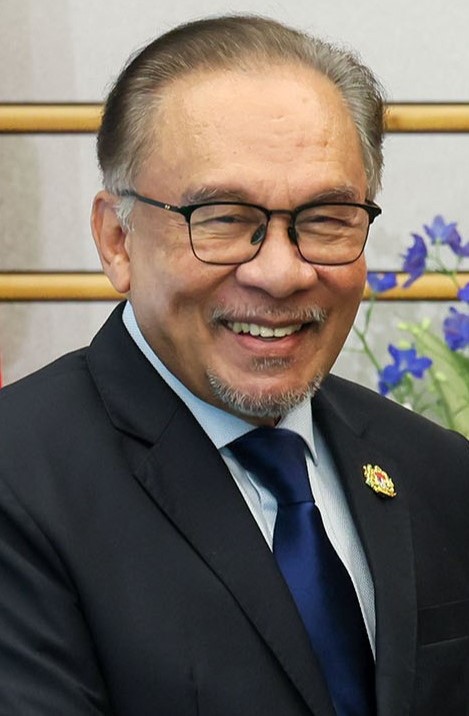
Prime Minister Datuk Seri Anwar Ibrahim is returning to Johor today for a dual engagement in Segamat, marking his second major appearance in the state within 72 hours as Pakatan Harapan ramps up campaign activities ahead of the 16th Johor state election. The visit to the district, situated approximately 200 kilometres south of Johor Bahru, comes merely days after Anwar unveiled the full slate of coalition candidates across the 56 contested state seats at an event in Bukit Gambir, Tangkak on Monday.
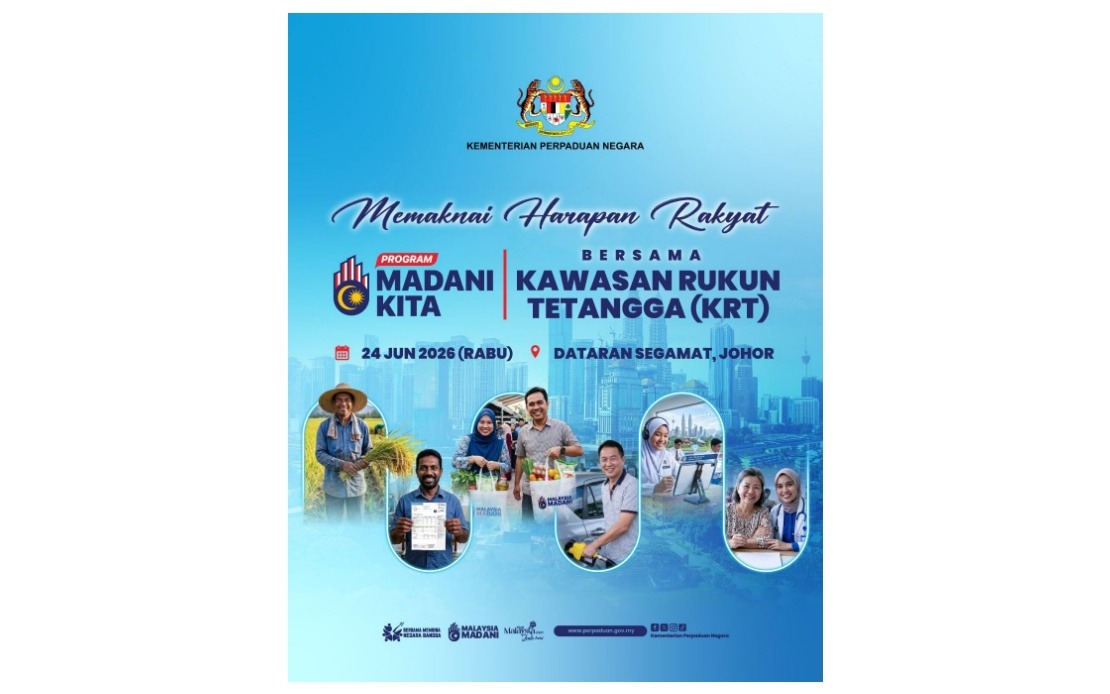
The centrepiece of today's itinerary is the official launch of the MADANI KITA programme scheduled for 5 pm at Dataran Segamat. This initiative, executed in partnership with the area's Rukun Tetangga units, represents part of the government's broader effort to deepen engagement with grassroots communities during what is shaping up as a closely contested electoral battle. The programme framework is designed to reinforce the bonds between neighbours, foster greater inter-ethnic cohesion, and ensure that the Pakatan Harapan administration's policy commitments and development agenda reach ordinary residents in a direct and comprehensible manner.
Segamat itself holds strategic significance within the Johor political landscape. As a semi-rural constituency with a diverse demographic composition, the district exemplifies the kind of swing territory that could determine the overall outcome of the state election. Anwar's presence in the area underscores the coalition's determination to consolidate support beyond the urban heartlands and demonstrate that the MADANI framework—the government's broader development philosophy—translates into tangible community-level initiatives.
Immediate following the MADANI KITA event, Anwar will transition to a more informal setting for the "Jom! Makan Durian" programme at the Yayasan Bazaar site in Segamat at 6.30 pm. This casual, communal meal centred on the iconic Malaysian fruit signals a deliberate shift in political campaigning towards accessibility and relatability. Rather than structured podium speeches, the format allows the Prime Minister to interact with residents in a relaxed environment, embodying the ground-level engagement that Pakatan Harapan seeks to project as it courts voters.
The dual-programme approach reflects a sophisticated understanding of modern electoral competition in Malaysia. The morning and early evening activities target different engagement styles: the formal MADANI KITA launch appeals to community leaders and those concerned with structured governance and policy implementation, whilst the durian-eating session resonates with average voters seeking a sense that their leaders remain accessible and attuned to everyday life. This oscillation between formality and informality has become characteristic of Anwar's recent campaigning methodology across Johor.
Packatan Harapan's candidate slate, announced on Monday, comprises a carefully calibrated distribution across the coalition partners: 20 representatives from PKR, 19 from Amanah, and 17 from DAP contesting all 56 state seats. This configuration reflects both the relative strength of each component party and the coalition's attempts to balance geographic representation with electoral strategy. The announcement itself was positioned as a major milestone, signalling the readiness of the tripartite alliance to mount a comprehensive challenge to Barisan Nasional's traditional dominance in Johor.
The electoral calendar has now crystallised around firm dates established by the Election Commission. Nomination day falls on June 27, allowing candidates officially to register and campaigns formally to commence. Early voting is scheduled for July 7, catering to security personnel, election officials, and others requiring advance balloting. The main polling day is set for July 11, giving the coalition and its rivals roughly two weeks to mobilize supporters and refine messaging.
For Malaysian observers and Southeast Asian analysts, the Johor contest carries implications extending beyond a single state election. Johor is the largest state by population and among the wealthiest in terms of Gross Domestic Product, historically regarded as a Barisan Nasional stronghold. Any significant shift in voter preferences here could reshape national political dynamics ahead of the next federal general election, expected in 2025. Pakatan Harapan's decision to mount an all-in campaign in Johor signals confidence in the coalition's brand recovery since the 2022 federal polls and suggests that the leadership believes the state is genuinely competitive.
Anwar's personal involvement in back-to-back Johor visits also underscores the premium the Prime Minister and his coalition place on this particular battleground. His active presence on the ground, rather than delegating campaigning to state-level or party surrogates, conveys a message that Pakatan Harapan regards Johor not as a peripheral concern but as central to its political future. The symbolic deployment of the MADANI branding further links the state campaign to the national development narrative that Anwar has championed since assuming office in late 2022.
Segamat itself, as a microcosm of Johor's socio-economic composition, offers Pakatan Harapan an opportunity to test messaging and gauge reception to its governance record. The district encompasses rural agricultural zones, small-town commerce, and growing suburban settlements, making it representative of the diverse constituencies the coalition must win to secure overall control of the 56-seat state assembly.
The momentum generated by Anwar's visits and the launch of grassroots engagement programmes like MADANI KITA will likely be sustained through the nomination period and into the formal campaign phase. Both Pakatan Harapan and Barisan Nasional can be expected to escalate their respective efforts as July 11 approaches, with each side attempting to maximise turnout and persuade swing voters in marginal constituencies. The coming weeks will test whether the coalitions' campaign strategies translate voter sentiment into actual electoral victories.