%22%2F%3E%3C%2Fpattern%3E%3C%2Fdefs%3E%3Crect%20width%3D%22100%25%22%20height%3D%22100%25%22%20fill%3D%22url(%23ph3hpldg)%22%2F%3E%3Crect%20width%3D%22100%25%22%20height%3D%22100%25%22%20fill%3D%22url(%23ph3hpldp)%22%2F%3E%3Ctext%20x%3D%2250%25%22%20y%3D%2250%25%22%20text-anchor%3D%22middle%22%20dominant-baseline%3D%22central%22%20fill%3D%22rgba(255%2C255%2C255%2C0.95)%22%20font-family%3D%22Georgia%2C%20'Times%20New%20Roman'%2C%20serif%22%20font-weight%3D%22700%22%20font-size%3D%22320%22%20letter-spacing%3D%22-0.02em%22%3EPM%3C%2Ftext%3E%3C%2Fsvg%3E)
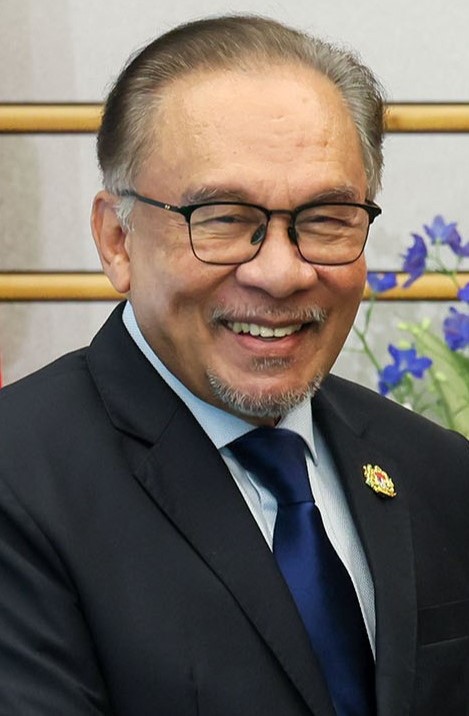
Prime Minister Datuk Seri Anwar Ibrahim's sustained diplomatic outreach across emerging markets is positioning Malaysia to weather global economic uncertainties through expanded trade partnerships and strategic energy agreements, according to assessments from policy experts and business observers tracking the administration's international engagement strategy.
Dr Mohd Ramlan Mohd Arshad, a senior lecturer at Universiti Teknologi MARA's Faculty of Administrative Science and Policy Studies, characterises the Prime Minister's recent visits to Kazan, Russia, and Turkmenistan as instrumental in broadening Malaysia's economic footprint beyond traditional partners. The missions create space for collaborative ventures spanning commerce, direct investment, energy sectors, agricultural production, and technological innovation—dimensions that collectively reinforce Malaysia's standing as a consequential player in international economic affairs. According to Dr Arshad, this multifaceted approach addresses vulnerabilities arising from contemporary geopolitical volatility by reducing Malaysia's dependence on any single market or supplier relationship.
The analytical consensus emphasises that Malaysia's leadership commands meaningful respect within global corridors of power, a soft power asset that translates into tangible commercial advantages. Siranjeev Ram, policy exponent at the Malaysian Indian Youth Council, underscores that nations whose heads of state enjoy international credibility unlock superior negotiating positions and broader collaboration possibilities. He frames the imperative as requiring Malaysia to sustain an independent yet pragmatic diplomatic orientation that generates substantive opportunities for entrepreneurs, investors, and younger cohorts who will inherit economic stewardship responsibilities.
Consumer sentiment reflects confidence in the administration's international positioning. Dentist Dr Lim Yu Xiang articulates optimism regarding trade arrangements with Russia and Turkmenistan, contingent on securing commercially favourable terms. His assessment acknowledges the Prime Minister's conspicuous standing on the world stage—a visibility that enhances Malaysia's negotiating leverage and projects an image of stable, capable governance to potential international partners seeking reliable investment environments.
Media marketing professional Fiona Lim elevates the discussion by distinguishing between mere diplomatic activity and strategic relationship-building that advances national interests. She argues that when a national leader commands global deference, that esteem rebounds positively on the nation itself, amplifying its perceived value and investment attractiveness. This mechanism transforms personal diplomatic effectiveness into a national asset, expanding opportunities available to Malaysian enterprises and positioning the country as a destination for sophisticated international partnerships.
The concrete manifestations of this diplomatic strategy emerged during the Prime Minister's working visit to Kazan, where bilateral energy negotiations yielded commitments addressing Malaysia's long-term fuel security. Russia committed to supplying petroleum products and hydrocarbons under extended contractual frameworks, displacing the previous model of annual or seasonal arrangements that left Malaysia exposed to market volatility. The resulting agreement—still undergoing final technical refinement—entails coordination between Petronas and Tatarstan, a leading Russian petroleum-producing jurisdiction, thereby embedding Malaysia within Russia's strategic energy architecture.
The Turkmenistan engagement extended Malaysia's energy sector integration into Central Asia's hydrocarbon economy. Petronas commemorated three decades of operational presence within the country through multiple accords advancing its interests. Most significantly, the national petroleum corporation secured exclusive rights to prospect for oil and gas reserves across two designated blocks in the Caspian Sea, an acquisition reflecting confidence in Malaysia's operational competence and diplomatic standing among regional energy powers.
Beyond exploration rights, Petronas concluded a Long-Term Framework Agreement unlocking development prospects within the Galkynysh Gas Field, among the world's most substantial natural gas reservoirs. The agreement contemplates downstream ventures and gas-processing operations, indicating that Malaysian engagement extends beyond resource extraction into value-added energy transformation—a strategic positioning that enhances economic returns and technical capability accumulation.
For Malaysia's policymaking establishment and business community, these outcomes validate the approach of positioning the Prime Minister as the nation's chief international representative and negotiator. The visible dividends—from expanded energy supply contracts to deepened hydrocarbon sector partnerships—demonstrate that diplomatic credibility and international standing convert into measurable economic benefits. As global supply chains continue reconfiguring and energy markets remain volatile, Malaysia's diversified partnerships with non-traditional suppliers and geographic regions provide insurance against concentrated dependencies.
The broader implication extends to how Malaysia projects itself within Southeast Asia and beyond. When the region's leadership demonstrates effectiveness in high-stakes international negotiations and commands respect among major powers, the entire region benefits from enhanced stability and expanded cooperative possibilities. Malaysia's success in securing advantageous terms from Russia and Turkmenistan signals to other nations that engagement with Southeast Asia yields reciprocal benefits, potentially encouraging additional investment and partnership initiatives.
Moving forward, the administration faces the task of translating diplomatic breakthroughs into sustained economic outcomes. Energy agreements require implementation, Petronas operations demand effective project management, and new commercial frameworks necessitate institutional follow-through. The diplomatic opening represents opportunity; converting that opportunity into job creation, revenue generation, and technology transfer represents the measure by which ordinary Malaysians will ultimately assess whether the Prime Minister's international activism delivered tangible domestic prosperity improvements.