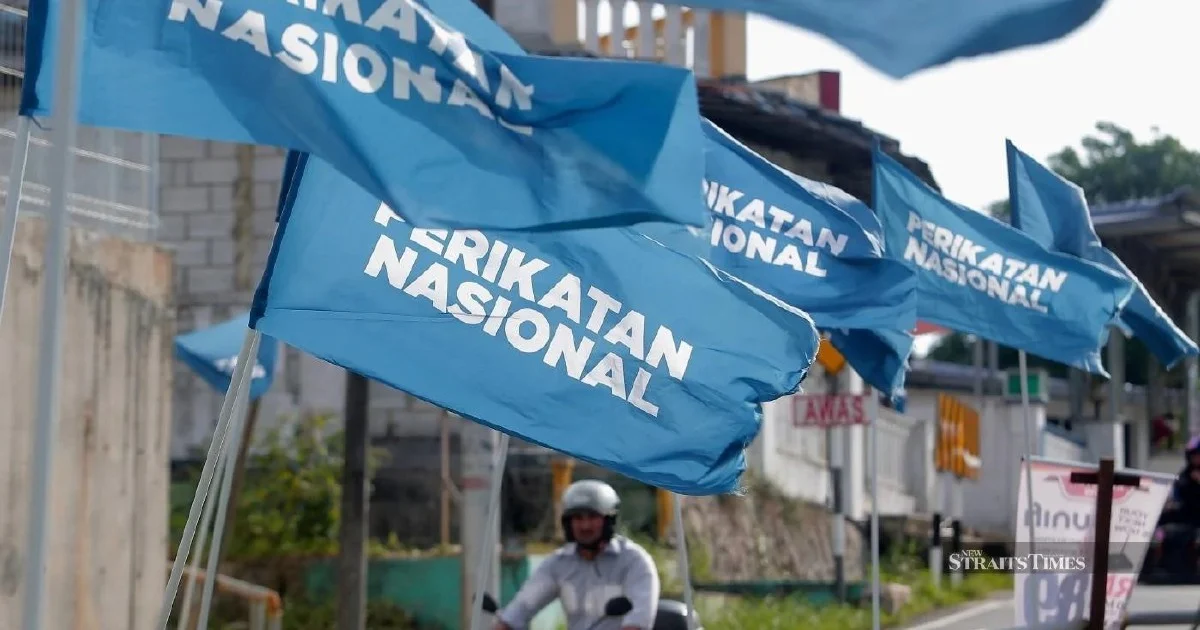
Perikatan Nasional leadership moved swiftly to quash mounting speculation about the coalition's electoral intentions in Johor, with deputy chairman P. Punithan categorically denying a wave of unsubstantiated claims that have spread across social media platforms. The alleged statement, which circulated online suggesting PN would remain on the sidelines during the upcoming state contest, bears no authenticity and represents a deliberate attempt to mislead the public, according to PN's official response.
The emergence of such rumours reflects the increasingly fraught electoral landscape in Johor, a state whose political trajectory carries outsized significance for Malaysia's broader political equilibrium. As one of the country's most populous and economically consequential states, contests in Johor invariably attract intensive scrutiny from rival coalitions, supporters, and analysts tracking shifts in the nation's political fortunes. The spread of false narratives about coalition participation rates underscores how digital misinformation continues to complicate campaign environments across Southeast Asia.
P. Punithan's public dismissal signals PN's determination to maintain its competitive positioning ahead of the election cycle. By promptly addressing the false claims, the coalition sought to prevent the narrative from calcifying among voters and stakeholders who might otherwise absorb unverified information through their social media networks. Such rapid-response communications have become standard practice for major political organisations navigating the accelerated news cycles characterised by viral content circulation.
The viral claim's origin remains unclear, though such fabrications typically emerge from one of several sources: rival political camps seeking to sow discord, opportunistic content creators amplifying engagement metrics, or accounts operating to destabilise specific coalitions. The sophistication of contemporary disinformation campaigns means that false statements attributed to party officials can achieve remarkable reach and apparent credibility before fact-checking mechanisms intervene. This particular instance highlights vulnerabilities in information ecosystems where unverified claims can accumulate credence through repetition alone.
For PN, which has undergone significant organisational restructuring and coalition realignments in recent electoral cycles, questions about participation levels in forthcoming contests carry particular weight. The coalition's strategic positioning within Malaysia's three-way political competition between PN, Barisan Nasional, and Pakatan Harapan remains calibrated for relevance and influence. Any perception that PN might voluntarily withdraw from a major electoral contest would carry profound implications for perceptions of its organisational strength, internal coherence, and long-term viability as a serious contender for federal power.
Johor's political significance extends beyond state-level considerations. The state has historically served as a bellwether for national sentiment, with electoral outcomes in its parliamentary and state assembly constituencies often prefiguring broader trends visible in subsequent national contests. This amplifies the stakes surrounding which coalitions commit resources to the state and how effectively they campaign. For PN, participation in Johor elections represents both an opportunity to consolidate support among its existing base and a necessity to prevent losing ground to competitors.
The coalition's response mechanism—having a senior deputy chairman publicly address the issue—indicates institutional seriousness about clarifying its actual intentions. By issuing an explicit denial rather than remaining silent, PN moved to prevent the false narrative from becoming embedded in public discourse through repeated circulation and tacit acceptance. Political organisations have increasingly learned that rapid, visible responses to misinformation prove more effective than delayed corrections that struggle against entrenched false beliefs.
In the broader Malaysian context, disputes over electoral participation and coalition strategy have become increasingly contentious issues, particularly as the nation's political landscape fractures into multiple competing blocs with less stable alignments than previously characterised electoral politics. Rumours about whether established parties or coalitions will contest specific elections carry immediate implications for opposition fragmentation, voter choice parameters, and government formation mathematics in multi-coalition environments.
The incident exemplifies challenges facing voters attempting to distinguish authoritative information from fabrication in saturated information environments. Media literacy challenges compound the effects of deliberate misinformation, as citizens evaluating coalition statements must navigate claims, counter-claims, and contested narratives without always possessing reliable verification mechanisms. Election commissions and fact-checking organisations increasingly face pressure to intervene in such disputes, though their effectiveness varies across different demographic and geographic contexts.
Moving forward, PN's positioning for Johor elections will likely receive intensive scrutiny from both rival coalitions and observers tracking the group's electoral strategy. Whether the coalition commits substantial resources to the state, which candidates it nominates, and how effectively it campaigns will all serve as indicators of its competitive confidence and strategic priorities. The false claims about non-participation, having been publicly dismissed, should diminish in circulation as authoritative denials circulate, though residual confusion may persist among segments of the electorate less engaged with political news coverage.