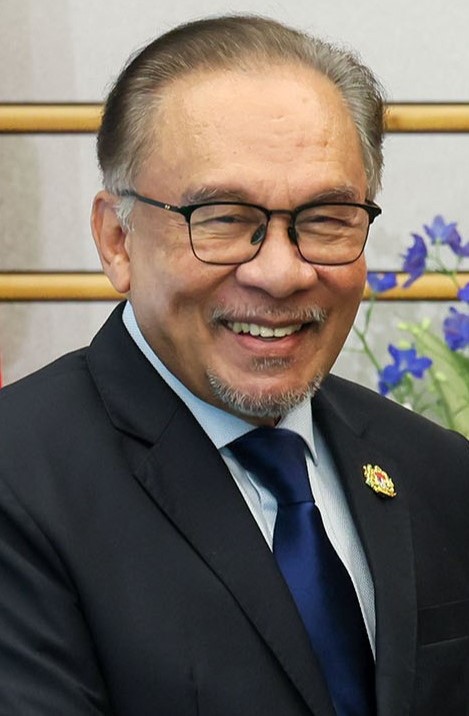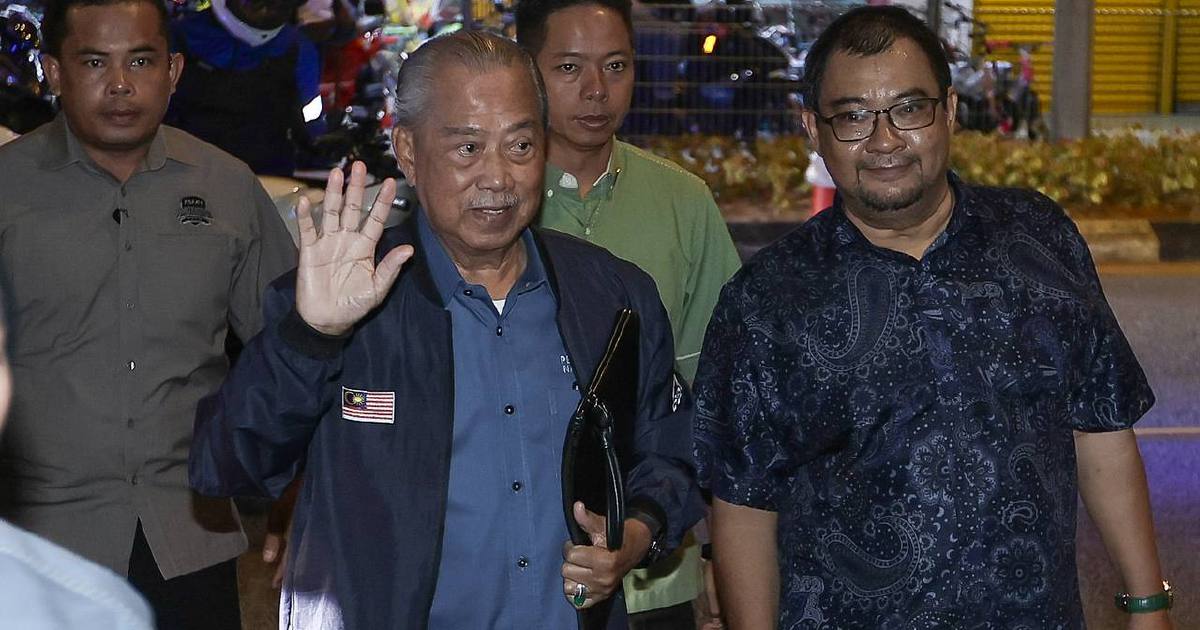
Perikatan Nasional convened an emergency Supreme Council session to address urgent coalition matters, though leadership deliberately circumvented discussion of Bersatu's own positioning within the opposition bloc. The distinction matters considerably in Malaysia's fractious political landscape, where opposition unity remains perpetually fragile and subject to sudden realignments that can reshape parliamentary arithmetic.
Muhyiddin Yassin, as PN's figurehead, offered clarification that the meeting's agenda prioritised broader coalition strategy and evaluating prospective members rather than examining the status of any existing constituent party. This careful framing suggests deliberate boundary-setting around what constitutes legitimate meeting territory, particularly given ongoing sensitivities within opposition circles about which parties maintain genuine commitment to the alliance and which might be positioning themselves for alternative arrangements.
The timing of an emergency convocation itself signals concern within PN leadership about developments requiring immediate collective decision-making. Opposition coalitions across Southeast Asia frequently face pressure from multiple directions simultaneously—internal defections, governmental overtures to individual parties, and shifting voter preferences all threaten cohesion. Malaysia's opposition, already juggling ideological differences between Islamic and secular-oriented parties, cannot afford prolonged periods of uncertainty about membership or strategic direction.
Potential new membership discussions indicate PN remains open to expansion, perhaps seeking additional parliamentary seats or attempting to absorb disaffected MPs from other political vehicles. This expansion appetite reflects both strategic ambition and defensive necessity—opposition blocs must constantly strengthen their numbers to counterbalance governmental advantages in incumbency, media access, and institutional machinery. For Malaysian observers, such overtures typically signal whether opposition leaders anticipate electoral opportunities or merely struggle to consolidate existing strength.
The explicit decision to exclude Bersatu's own status from discussion warrants close examination. Bersatu, founded by Muhyiddin after his departure from UMNO, occupies an ambiguous niche within opposition politics—simultaneously claiming opposition credentials while maintaining complex relationships with government figures. This ambiguity means Bersatu's real position within PN cannot be assumed stable. Avoiding formal discussion of membership status might indicate leadership recognises internal disagreements about Bersatu's future direction or commitment level.
Regional parallels illuminate why such meetings require careful choreography. Thai opposition alliances, Indonesian coalition politics, and Philippine voting blocs all demonstrate how opposition unity fractures rapidly once specific parties' positions come under scrutiny. Malaysian political operators understand that premature debate about individual party status can trigger domino effects, where discussion of one member's commitment level suddenly invites questioning of others' loyalty. The decision to defer Bersatu conversation suggests tactical maturity about avoiding such cascading crises.
For Malaysian business and investor communities, opposition coalition stability carries direct implications. Stable opposition coalitions potentially influence policy trajectories, infrastructure investment decisions, and regulatory environments. When opposition leadership convenes emergency sessions, markets and enterprises pay attention because sudden realignments can shift parliamentary power balances and alter legislative priorities unexpectedly.
The absence of Bersatu-specific discussion also reflects broader factional dynamics within PN itself. Perikatan comprises ideologically diverse elements—from Bersatu's pragmatic centrism through Islamic Party's religious conservatism to Gabungan Parti Sarawak's regional interests. Managing these factions requires sophisticated coalition arithmetic where leadership avoids issues likely to expose fundamental differences. Bersatu's coalition commitment apparently constitutes precisely such a sensitive topic.
Emergency meetings themselves communicate political messaging independent of their formal outcomes. By convening urgently, PN signals to supporters that leadership remains active and responsive to developments. To governmental rivals, such sessions suggest opposition competence and willingness to adapt strategy. To potential defectors, they demonstrate the coalition functions with sufficient coherence to address new opportunities and threats. The mere fact of meeting carries meaning beyond whatever formal decisions emerge.
Muhyiddin's clarification about what was not discussed proves as significant as confirmation about what was addressed. In Malaysian political communication, such negative assertions frequently indicate sensitivity—forestalling speculation about topics leadership preferred to avoid. When opposition figures explicitly rule out discussion of specific matters, observers reasonably infer those matters carry risk if addressed directly. The careful exclusion of Bersatu's position suggests internal calculations about survival values and fracture points within the opposition coalition.
Moving forward, whether Bersatu's status eventually reaches formal PN discussion depends partly on whether specific triggering events force the issue. Parliamentary defections, high-profile policy disagreements, or government approaches to individual Bersatu members could all necessitate direct addressing of membership questions previously shelved. Until such events materialise, PN leadership appears content maintaining strategic ambiguity about one constituent party's genuine commitment level—a precarious but occasionally necessary approach in opposition politics where clarity sometimes enables dissolution rather than clarification.