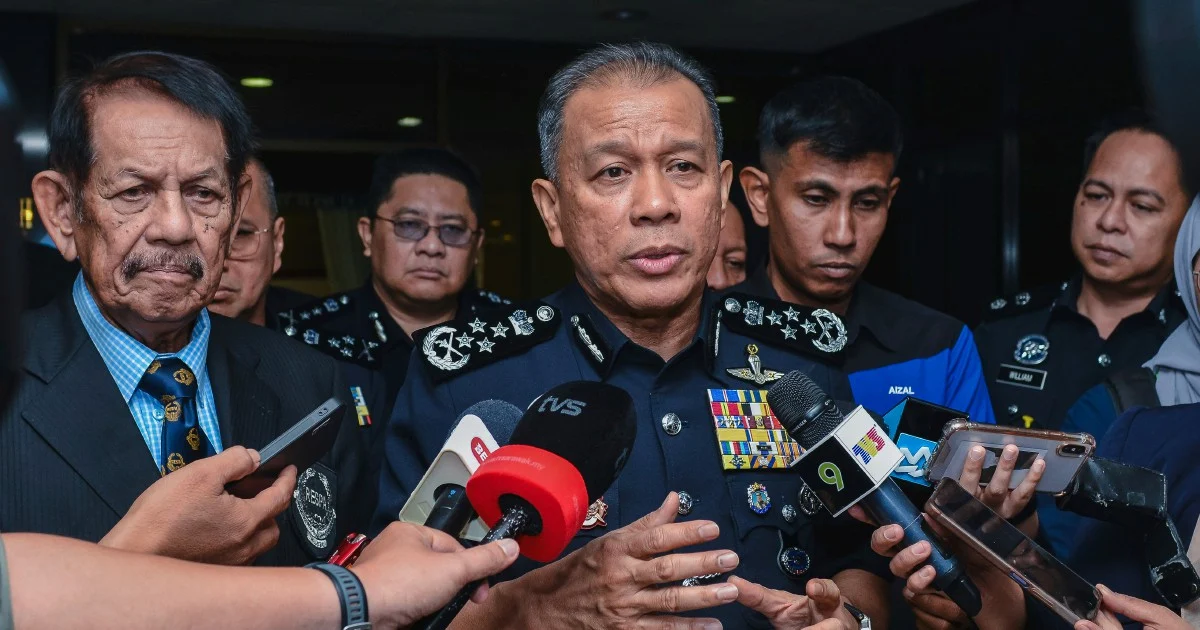
The Royal Malaysian Police has initiated a formal disciplinary investigation into one of its members following a viral video that sparked public controversy over the officer's alleged conduct toward local residents during a recent trip to China. The inquiry underscores the growing scrutiny police personnel face regarding their behaviour both on and off duty, particularly in an era where social media can rapidly amplify incidents into matters of national attention.
The decision to launch the probe reflects the force's commitment to maintaining professional standards and public trust, especially when officers are posted or travelling abroad. The incident, which circulated widely online, drew significant commentary from the public and raised questions about the conduct expectations placed on uniformed personnel representing Malaysia overseas. Such viral incidents have become increasingly common in recent years, with social media platforms providing instant platforms for the dissemination of videos that can severely damage institutional reputation.
Police investigations of this nature typically examine the circumstances surrounding the incident, the accuracy of allegations, and whether the officer's behaviour violated the force's code of conduct. The disciplinary framework allows the police leadership to address misconduct allegations systematically and determine appropriate corrective measures if wrongdoing is substantiated. The involvement of the Inspector-General of Police in announcing the investigation signals the seriousness with which the force is treating the matter at the highest levels of command.
The implications of such incidents extend beyond individual accountability. They affect public perception of the Malaysian police force and can influence the nation's reputation on the international stage. When officers are perceived to have disrespected residents in other countries, it creates diplomatic undertones and potentially complicates bilateral relationships. For Malaysian travellers and officials conducting business abroad, such incidents can also reflect broader perceptions about Malaysian professionalism and courtesy.
China remains one of the most significant destinations for Malaysian business delegations, tourism, and cultural exchanges. The relationship between Malaysia and China encompasses substantial trade, investment, and people-to-people connections. Any incident involving alleged disrespect toward Chinese nationals or residents, regardless of the context, carries potential diplomatic sensitivities that police leadership must carefully navigate.
The investigation process will likely examine video footage, witness statements from both Malaysian personnel and local residents, and contextual factors that may have contributed to the alleged behaviour. The officer involved will have the opportunity to provide their account of events, a crucial safeguard in disciplinary procedures designed to ensure fairness and accuracy. If the investigation substantiates the allegations, the force will need to determine appropriate disciplinary action, which could range from formal reprimands to more severe measures depending on severity and intent.
This incident also highlights the evolving expectations around police conduct in the digital age. Officers are increasingly aware that their actions may be recorded and shared instantly across social media platforms, reaching millions of viewers before official statements can be issued. The speed and reach of viral content means that perception can quickly crystallise into public narrative, even before investigations are completed. This presents both challenges and opportunities for the force to demonstrate its commitment to accountability and professional standards.
For the broader Malaysian police force, the incident serves as a reminder of the importance of pre-deployment training and conduct briefings for officers travelling internationally. Such training should emphasise cultural sensitivity, proper representation of Malaysia abroad, and the consequences of misconduct in an increasingly connected world. The force has invested considerable resources in improving its public image and professional standards in recent years, and maintaining these gains requires vigilance and swift action when incidents occur.
The investigation also reflects changing public expectations regarding police accountability. Malaysians increasingly expect their law enforcement agencies to hold their own personnel to high standards and to conduct transparent investigations when concerns arise. The willingness to launch formal inquiries into viral incidents demonstrates responsiveness to public concern, though the force must also ensure that investigations remain grounded in evidence rather than being driven primarily by social media outrage.
As the disciplinary process unfolds, it will be important for the police leadership to communicate clearly about the investigation's progress and findings, subject to appropriate confidentiality provisions. Such transparency can help restore public confidence and demonstrate that the institution takes its responsibility to maintain professional standards seriously. The outcome of this particular case may also set precedent for how the force handles similar incidents in future, establishing clearer guidelines and expectations for officer conduct abroad.
Ultimately, this investigation represents an opportunity for the Malaysian police force to reinforce its institutional commitment to professionalism and accountability. How the force handles this matter will likely influence public perception of its willingness to police its own members fairly and rigorously. The incident underscores that in an interconnected world where information travels instantly, the conduct of individual officers abroad carries consequences that extend far beyond personal or local implications.