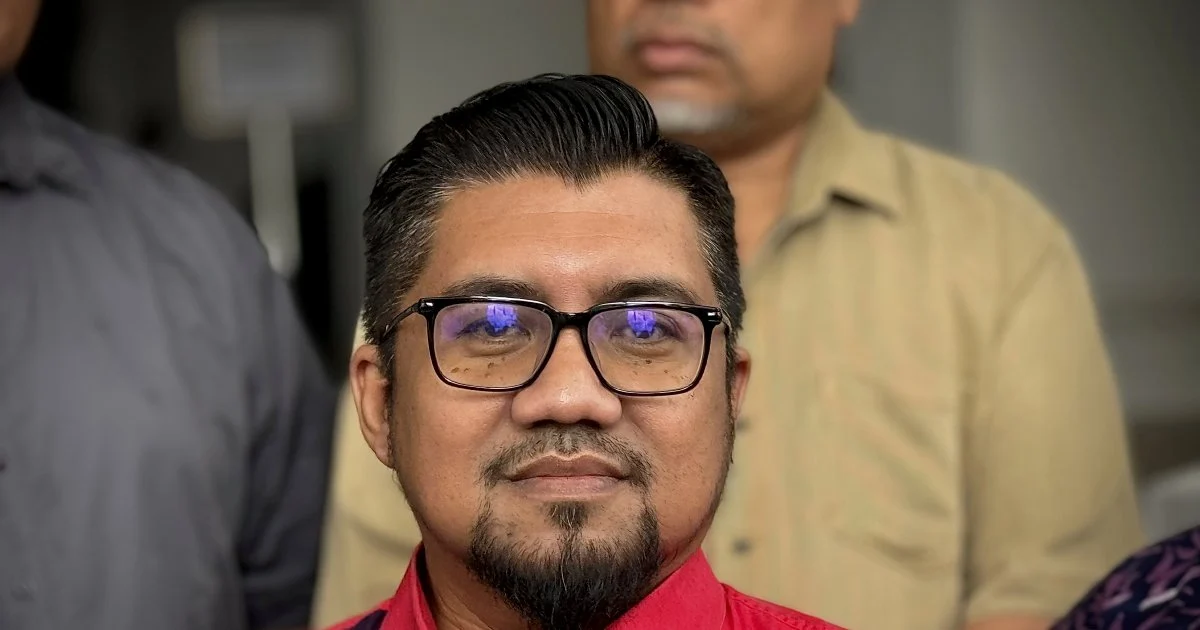
Political activist Badrul Hisham Shaharin, widely recognised by his moniker Che'gu Bard, faces a significant legal setback after Malaysia's High Court reversed his earlier acquittal and ordered him to mount a full defence against defamation charges relating to His Majesty Sultan Ibrahim, the King of Malaysia. The decision, handed down in Kuala Lumpur today, centres on statements the activist allegedly made concerning a purported audience between the monarch and various political figures approximately two years prior.
The reversal marks a substantial turn in a case that has already tested the boundaries between free speech and respect for the institution of the monarchy in Malaysian jurisprudence. When Shaharin was initially acquitted, it appeared to signal potential legal recognition for broader latitude in political commentary. However, the High Court's intervention suggests the judiciary has reconsidered the severity of the allegations and the sufficiency of evidence, necessitating a full hearing of the defence case.
Che'gu Bard has built a public profile as a political commentator and activist, frequently engaging with contentious issues affecting Malaysian governance and democratic discourse. His statements regarding the alleged audience with political leadership drew significant attention within activist and political circles, generating considerable public discourse about the nature of interactions between the crown and the nation's political establishment. The exact content of the statements remains central to determining whether they crossed the legal threshold from political critique into defamation.
Defamation law in Malaysia, particularly when it involves statements concerning the monarchy, operates within a complex legal framework that must balance constitutional provisions protecting the institution of the throne with fundamental freedoms of expression. The original acquittal suggested that the trial court had found insufficient evidence to establish that Shaharin's statements met the legal criteria for defamation. The High Court's reversal indicates appellate judges identified material errors in the lower court's reasoning or assessment of the evidence presented.
The requirement to enter a defence now places the burden on Shaharin to present his case, including potential evidence and witnesses, to demonstrate either the truthfulness of his statements or other legal defences available under Malaysian defamation law. This procedural shift represents a critical juncture, as the activist must now actively construct a legal argument rather than simply challenging the prosecution's evidence. The court's decision to order the defence suggests the judges believed the prosecution had established a prima facie case of defamation.
For Malaysian political activists and commentators, the decision carries implications beyond this single case. It underscores the boundaries within which public figures must operate when addressing matters involving the monarchy or high-level political interactions. The case demonstrates that even acquittals are not necessarily final when appellate courts intervene, a consideration that may influence how activists calibrate their public statements and choose which matters warrant public commentary.
The two-year timeframe since the alleged audience reflects the substantial duration that defamation cases involving prominent public figures can consume within Malaysia's legal system. This extended timeline is typical of high-profile cases navigating multiple court levels and procedural requirements. For Shaharin, the extended duration has meant prolonged legal uncertainty and resource expenditure defending against the allegations.
The interaction between political leadership and the monarchy represents a constitutionally sensitive area in Malaysian governance. Public statements characterising or describing such interactions require careful consideration of how information is conveyed, what inferences are drawn, and whether allegations can be substantiated. The court system's role in adjudicating such matters reflects the monarchy's constitutional status and the legal protections afforded to the institution.
Che'gu Bard's case has attracted attention from civil society organisations monitoring freedom of expression and judicial independence in Southeast Asia. The reversal of acquittal raises questions within regional human rights circles about the appropriate scope of defamation law and whether such legal instruments can inadvertently restrict legitimate political discourse. Malaysia's standing within regional and international discussions of democratic freedoms is influenced by how the judiciary navigates such sensitive cases.
The activist community and political commentators in Malaysia will closely follow the defence proceedings, as the outcome may establish precedent regarding what statements about political figures and interactions fall within permissible bounds of commentary. The case exemplifies the tension between institutional protection and democratic expression that many Southeast Asian democracies continue to navigate.
As Shaharin prepares his defence, he must engage legal representation to construct arguments addressing the specific allegations within the framework of Malaysian defamation law. The defence phase will provide opportunities to introduce contextual evidence, challenge the interpretation of his statements, and potentially establish legitimate grounds for the comments he made. The proceedings will likely generate further public discussion about the appropriate balance between protecting state institutions and preserving space for political expression.
The High Court's decision confirms that courts retain authority to intervene in acquittals when they find appellate grounds warrant reversal. For legal practitioners and political actors in Malaysia, the case reinforces the importance of understanding how statements about sensitive institutions will be evaluated under defamation law. The coming defence hearing will determine whether Shaharin can successfully establish the lawfulness of his statements or whether the court will ultimately find him liable for defaming the monarchy.