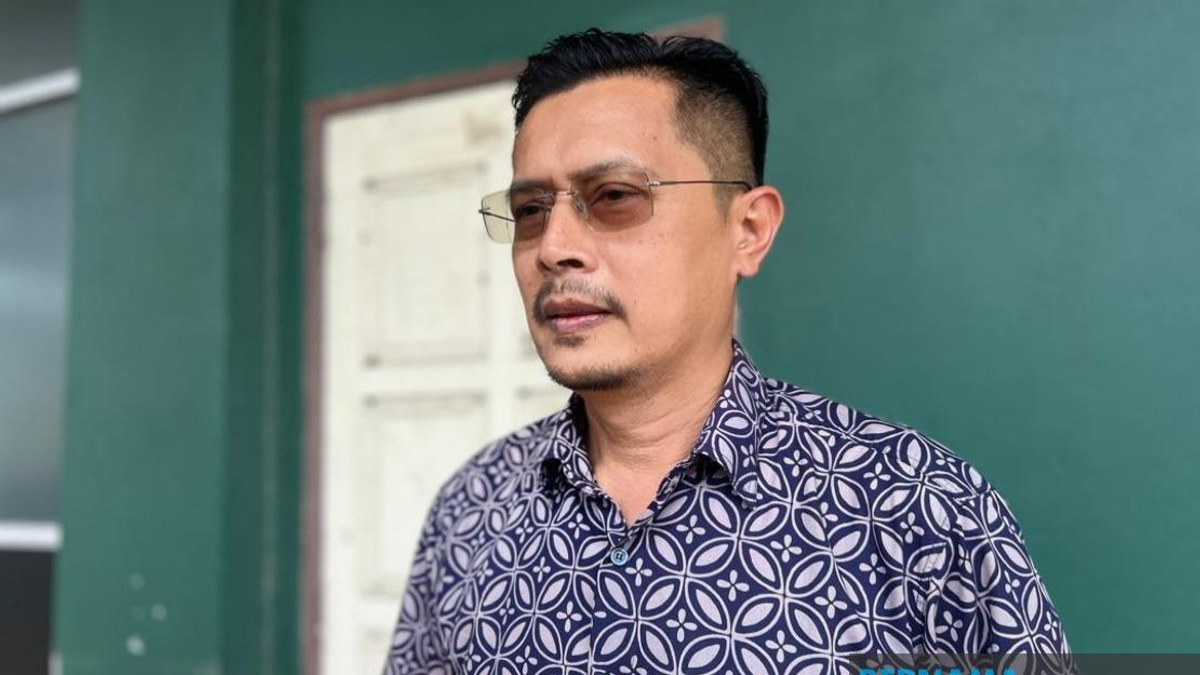
An opposition parliamentarian has launched a scathing critique of Malaysia's prison administration, accusing it of disregarding critical recommendations from the national human rights body regarding a deadly disturbance at Taiping prison. DAP MP Lim Lip Eng has called for the swift removal from office of the prison director who was overseeing the facility at the time the violence erupted, signalling growing frustration with what he characterises as institutional negligence in responding to the incident and its aftermath.
The Taiping prison riot, which resulted in the death of a detainee, triggered an investigation by Suhakam, Malaysia's Human Rights Commission. The subsequent report contained detailed findings and recommendations designed to prevent similar incidents and address systemic deficiencies that may have contributed to the disturbance. However, according to Lim's allegations, the Prisons Department has taken insufficient action in implementing these recommendations, effectively sidelining the commission's work and leaving unresolved concerns about prison management and safety protocols.
The criticism underscores longstanding tensions between oversight bodies and operational prison authorities in Malaysia. Suhakam, established under constitutional mandate to investigate human rights violations and complaints, has produced numerous reports on prison conditions and management practices over the years. Yet translating these findings into concrete reform remains a persistent challenge, with prison administrators often citing resource constraints, operational complexity, or bureaucratic inertia as reasons for delayed implementation.
Lim's call for the director's suspension represents an escalation in parliamentary pressure on the Prisons Department. By demanding removal of the official responsible during the riot, the DAP MP is signalling that administrative accountability must accompany any investigation into what happened. This approach aligns with international best practice in organisational reform, where leadership change frequently accompanies institutional reviews and the implementation of new protocols.
The Taiping incident gained particular prominence because it resulted in a fatality. Prison riots, while not uncommon globally, attract intensive scrutiny when they result in inmate deaths, as questions immediately arise about whether authorities responded appropriately and whether conditions or management failures contributed to the tragedy. In Malaysia's context, such events trigger broader debates about detention conditions, prisoner welfare, and the adequacy of security infrastructure across the correctional system.
The Prisons Department's apparent inattentiveness to Suhakam's recommendations raises questions about institutional coordination and the authority vested in human rights commissions to compel compliance. While Suhakam cannot directly enforce its recommendations, it can publicise non-compliance and escalate issues through official channels. When departments ignore these reports systematically, it undermines both the commission's credibility and public confidence in governance mechanisms designed to protect vulnerable populations, including incarcerated persons.
For Malaysian readers and policymakers, this incident illuminates the gap between investigative rigour and implementation capacity within government. Creating comprehensive reports on systemic problems requires expertise, time, and resources. Actually delivering on those findings requires sustained political will, budget allocation, and institutional commitment—commodities that are often in shorter supply. The Taiping case appears to exemplify this disconnect.
The broader correctional landscape in Malaysia faces mounting pressure. Prison populations have grown, facilities have aged, and staffing levels remain a perennial concern. In this resource-constrained environment, addressing recommendations from external investigations can seem like a luxury rather than a priority. Yet deferred reform creates compounding risks. Unaddressed grievances, deteriorating conditions, or systemic management failures can precipitate further disturbances, injuries, and deaths—consequences far costlier than proactive implementation of recommended reforms.
Lim's intervention also highlights the role opposition parliamentarians play in maintaining pressure on executive agencies. While the Prisons Department ultimately answers to the Minister responsible for home affairs or justice, depending on ministerial portfolios, parliament provides a forum for public accountability. By raising the issue in parliament and demanding specific personnel actions, opposition MPs create political salience around what might otherwise remain an administrative matter buried in departmental correspondence.
Regionally, Malaysia's experience parallels challenges in prison management across Southeast Asia. Countries throughout the region grapple with similar tensions: human rights bodies investigating conditions and producing recommendations, prison services struggling with resource constraints and operational pressures, and implementation gaps that persist despite good intentions. How Malaysia addresses these shortcomings may offer lessons—cautionary or instructive—for neighbouring countries facing analogous difficulties.
Moving forward, the central question is whether this parliamentary intervention catalyses genuine reform or represents merely another cycle of criticism followed by perfunctory adjustments. Meaningful change would require transparent communication between Suhakam and the Prisons Department, formal timelines for implementing recommendations, and periodic public reporting on progress. Without such mechanisms, cycles of investigation and non-compliance are likely to continue, perpetuating a system where vulnerable populations within custodial settings remain inadequately protected.

%22%2F%3E%3C%2Fpattern%3E%3C%2Fdefs%3E%3Crect%20width%3D%22100%25%22%20height%3D%22100%25%22%20fill%3D%22url(%23ph4itmfg)%22%2F%3E%3Crect%20width%3D%22100%25%22%20height%3D%22100%25%22%20fill%3D%22url(%23ph4itmfp)%22%2F%3E%3Ctext%20x%3D%2250%25%22%20y%3D%2250%25%22%20text-anchor%3D%22middle%22%20dominant-baseline%3D%22central%22%20fill%3D%22rgba(255%2C255%2C255%2C0.95)%22%20font-family%3D%22Georgia%2C%20'Times%20New%20Roman'%2C%20serif%22%20font-weight%3D%22700%22%20font-size%3D%22136%22%20letter-spacing%3D%22-0.02em%22%3EDeveloping%3C%2Ftext%3E%3C%2Fsvg%3E)