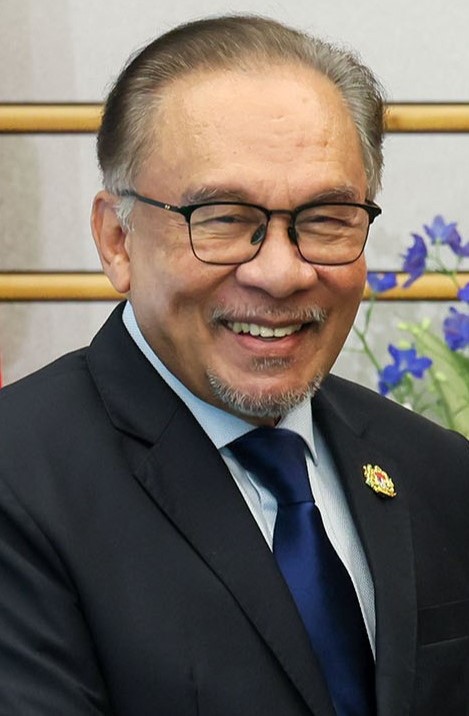
Datuk Dr Sahruddin Jamal, the former menteri besar of Johor, has formally announced his decision to contest the Bukit Kepong state assembly seat in the upcoming 16th Johor election on July 11. The declaration marks his continued political presence in the state following his tenure as the chief executive of Malaysia's southern state, signalling his commitment to representing his constituents despite changes in political circumstances.
The Bukit Kepong constituency holds significant importance within Johor's political landscape, serving as one of the state's crucial electoral battlegrounds. Sahruddin's decision to defend the seat reflects confidence in his grassroots support and his ability to secure voter backing amid the competitive environment of state-level politics. His candidacy will likely draw considerable attention from political observers, given his previous experience navigating Johor's complex political dynamics as menteri besar.
The July 11 election represents a crucial moment for the Johor government, with multiple seats contested across the state. This particular contest in Bukit Kepong will contribute to the overall composition of the state assembly and the formation of the next government. Political analysts will closely monitor how Sahruddin performs against his opponents, as his result could indicate broader trends in voter sentiment across the state.
Sahruddin's political career has been defined by his service at the highest levels of Johor's executive branch. His experience in state governance provides him with institutional knowledge and a public profile that may strengthen his campaign efforts. However, political contests at the state level remain unpredictable, and incumbency status does not guarantee electoral success, as Malaysian voters have demonstrated in previous elections.
The timing of his candidacy announcement comes as political parties across the country prepare their campaigns for the Johor election. Traditional power structures in the state have undergone considerable changes in recent years, creating a fluid political environment where established politicians must continually demonstrate relevance to their communities. Sahruddin's active participation in the contest indicates he remains engaged with state politics despite no longer holding the menteri besar position.
For Malaysian observers, particularly those in Johor, this election carries significance beyond routine state-level contests. The 16th Johor state assembly election will shape the direction of governance in a state that has historically wielded considerable influence within Malaysian politics. The results could send ripples across federal politics as well, given Johor's role as a powerhouse state with substantial representation in parliament.
The Bukit Kepong constituency comprises diverse voter demographics typical of Johor's urban and suburban areas. Understanding local concerns—from economic development and infrastructure to education and healthcare—will prove essential for candidates seeking to win the hearts of constituents. Sahruddin's familiarity with Bukit Kepong voters, built over his years of representation, gives him a foundation upon which to construct his campaign strategy.
The opposition landscape in Bukit Kepong will emerge as the election campaign gains momentum in coming weeks. Competing candidates will seek to differentiate themselves from Sahruddin by highlighting alternative visions for constituency development or criticising his previous performance. This competitive dynamic will ultimately benefit voters by presenting them with substantive choices about representation and local governance.
State elections in Malaysia serve as crucial platforms for testing political messages and assessing public opinion on governance performance. The Johor election will provide valuable insights into how voters perceive current state administration, economic management, and social policies. Sahruddin's campaign will need to address these broader concerns while also focusing on Bukit Kepong-specific issues that matter to his constituents.
The confirmation of Sahruddin's candidacy completes an important piece of the electoral puzzle for Johor politics. As other candidates and parties finalize their nominations, the shape of the contest becomes clearer. The choice before Bukit Kepong voters will reflect their assessment of who best represents their interests and vision for the constituency's future development.
Regional observers watching Malaysian state politics will note that senior figures like Sahruddin continue to actively participate in electoral contests, demonstrating the persistent importance of state-level governance. Unlike some democracies where former chief executives withdraw from electoral politics, Malaysia's political culture encourages continued participation and competition even after serving in the highest state offices. This reflects the vitality of Malaysia's democratic processes, though it also suggests that factional politics within parties and states remains an enduring feature of the political system.