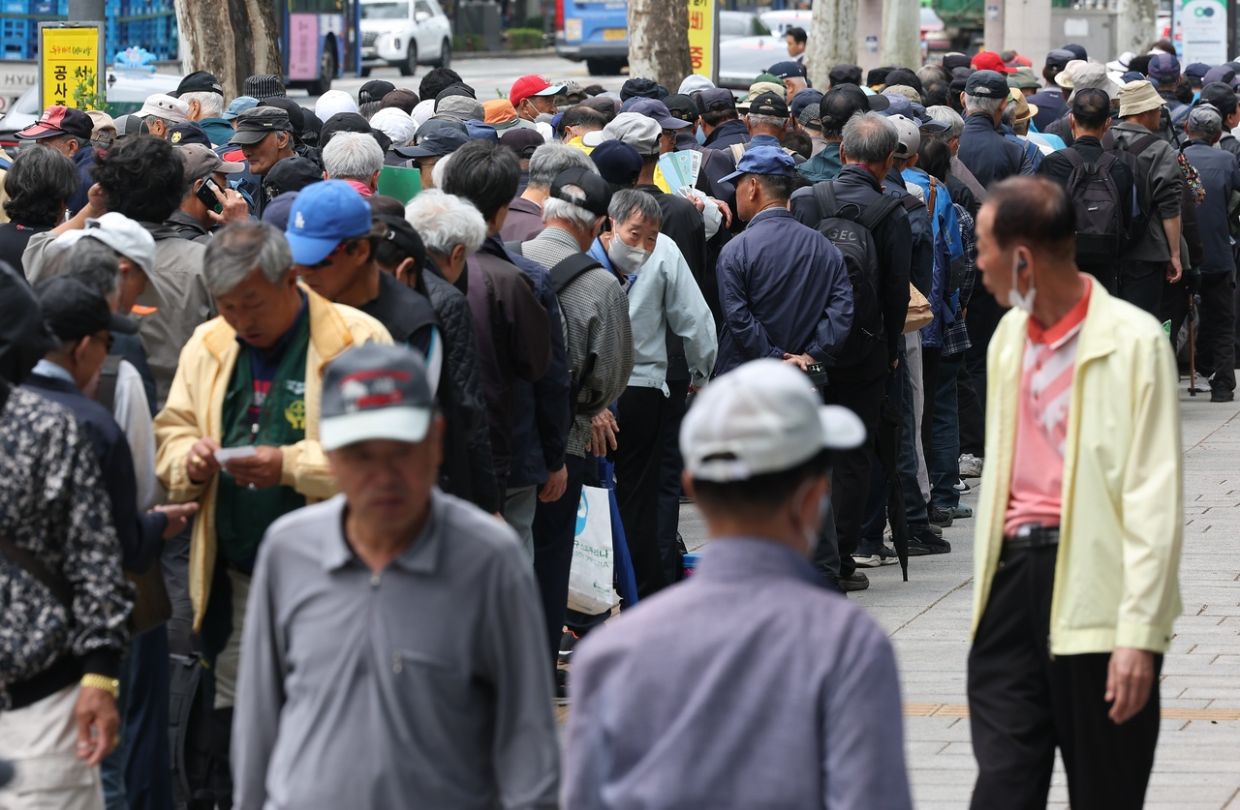
South Korea's capital is grappling with whether to extend free or heavily discounted bus travel to citizens aged 70 and above, a move that would complement an established system granting free subway access to those 65 and older. The Seoul Metropolitan Council's Transportation Committee advanced the proposal this month, setting the stage for a full council vote scheduled shortly after. If approved, the initiative would apply to city and neighbourhood buses while carving out express and intercity services from the benefit. The timing coincides with a campaign commitment made by Seoul Mayor Oh Se-hoon during recent municipal elections, linking the proposal to broader electoral promises around senior welfare.
The underlying rationale for expanding transit benefits rests on a recognised gap in the current system. Seniors already enjoying free subway passage face ongoing costs when using buses, a disparity that creates practical hardship for older residents living beyond convenient subway coverage or depending primarily on bus networks for daily mobility. This two-tier arrangement arguably disadvantages less mobile seniors who inhabit peripheral neighbourhoods with weaker rail infrastructure. Extending the free benefit to buses would theoretically level the playing field, ensuring comprehensive transit access regardless of residential location. Yet this logic collides directly with mounting fiscal realities in a metropolis where more than one in five residents are elderly, a demographic shift that will only intensify over coming decades.
Financial projections paint a sobering picture of the commitment Seoul would be making. The city's own administrative estimates suggest that providing universal free bus rides to all residents aged 70 and older would require outlaying approximately 104.7 billion won in the scheme's inaugural year, assuming a 2027 launch. More concerning are the trajectory forecasts. As Seoul's population of those aged 70 and above swells from around 1.27 million currently to an anticipated 1.63 million by 2031, annual expenditures would climb toward 127.5 billion won. Across a five-year implementation window, the accumulated fiscal burden could exceed 579 billion won. These staggering sums must be understood against a backdrop where Seoul already funnels more than 450 billion won annually to compensate private bus operators for operational losses, a subsidy regime that keeps the city's semipublic bus system afloat.
Complicating matters further are emerging labour cost pressures within the transport sector. Recent court determinations regarding ordinary wage calculations are expected to materially increase personnel expenses across the bus industry, adding another squeeze to both operators and municipal coffers. The city already faces vocal resistance from Seoul Metro, the operator of the subway system, which contends that free rides for seniors, persons with disabilities, and national merit recipients have become a primary driver of its financial distress. Over the past five years, Seoul Metro has absorbed transportation losses averaging 364.5 billion won annually from these fare exemptions, with the figure jumping to 448.8 billion won in 2025 alone. The transit authority has repeatedly petitioned the central government to shoulder a portion of these costs, so far without resolution, creating obvious tension around introducing yet another unfunded benefit.
This fiscal predicament is not unique to Seoul. Other major South Korean cities have already ventured down similar paths. The city of Daegu initiated free bus rides for seniors in 2023 and is gradually reducing the eligibility threshold from 75 to 70 by 2028, embedding cost increases into future budgets. Daejeon has gone further, already providing free bus rides to those 70 and older. Incheon plans to launch a comparable programme for residents aged 75 and above this year. These precedents demonstrate both the political appeal and the spreading nature of such commitments across the country. Once implemented in one jurisdiction, pressure mounts elsewhere to match the benefit, creating a race-to-the-bottom dynamic in fiscal discipline. For Southeast Asian cities watching Korean demographic and policy trends, the Seoul case offers an instructive cautionary tale about the long-term consequences of commitments made without comprehensive funding mechanisms.
Policy scholars and fiscal analysts have sounded alarms about the reversibility challenge inherent in cash-type welfare programmes. Sohn Jong-pil, a senior researcher at the Fiscal Reform Institute, articulated the fundamental problem: once such benefits are introduced, political realities make scaling back exceptionally difficult, regardless of fiscal circumstances. Citizens accustomed to free services view their removal as rights violation rather than fiscal adjustment. This ratchet effect means that Seoul risks locking itself into permanently elevated spending obligations that may prove unsustainable as the elderly population proportion grows. The critic's broader point cuts deeper, arguing that simply expanding support without simultaneously strengthening the financial accountability and operational efficiency of the semipublic bus system represents an incomplete and potentially counterproductive policy approach.
Defenders of the proposal contend that cost estimates may overstate the actual financial obligation Seoul would face. They emphasise that the ordinance, should it pass, would establish legal authority for a programme rather than mandate immediate universal provision of free rides. This distinction carries practical weight. The framework would allow city administrators to determine eligibility criteria flexibly, potentially targeting benefits toward low-income seniors rather than providing universally. Programme designers could cap the number of subsidised trips per beneficiary, restrict support to off-peak travel periods to spread demand, or provide partial fare discounts rather than complete exemptions. A city official characterised the measure as establishing institutional foundation rather than triggering automatic expansive commitments, preserving administrative discretion.
The debate unfolding in Seoul encapsulates fundamental tensions within developed democracies confronting ageing populations. Extending benefits to seniors reflects genuine humanitarian considerations and acknowledgment of fixed-income constraints many elderly face. Yet unlimited expansion of untargeted entitlements creates fiscal dynamics that ultimately undermine programme sustainability. The intermediate path—establishing frameworks that permit benefit delivery while maintaining flexibility and means-testing—offers compromise, but demands greater administrative sophistication and political will than wholesale free provision. For Malaysia and other Southeast Asian nations tracking ahead toward demographic ageing, Seoul's experience underscores the importance of designing senior welfare systems with built-in efficiency mechanisms, regular expenditure reviews, and explicit funding sources rather than assuming municipal budgets can absorb perpetually growing obligations. The political difficulty of course lies in proposing anything less than universal provision once the principle of free access becomes established.
The Seoul Metropolitan Council's forthcoming vote will clarify whether the capital's policymakers choose to advance the ordinance, accepting the long-term fiscal implications, or demur in favour of more targeted or phased approaches. Either outcome carries implications beyond Seoul's borders. In South Korea itself, approval would likely accelerate pressure on other municipalities to match the benefit, while regional governments across East Asia monitor Korean choices for insights into managing their own rapidly ageing societies. The lesson extends to Malaysia, where the proportion of elderly citizens continues rising and calls for expanded senior benefits intensify. Seoul's struggle to balance compassion for vulnerable populations against fiscal realities remains instructive: good intentions unmoored from sustainable financing models ultimately serve neither seniors nor the broader public interest.
%22%2F%3E%3C%2Fpattern%3E%3C%2Fdefs%3E%3Crect%20width%3D%22100%25%22%20height%3D%22100%25%22%20fill%3D%22url(%23ph1jbl5g)%22%2F%3E%3Crect%20width%3D%22100%25%22%20height%3D%22100%25%22%20fill%3D%22url(%23ph1jbl5p)%22%2F%3E%3Ctext%20x%3D%2250%25%22%20y%3D%2250%25%22%20text-anchor%3D%22middle%22%20dominant-baseline%3D%22central%22%20fill%3D%22rgba(255%2C255%2C255%2C0.95)%22%20font-family%3D%22Georgia%2C%20'Times%20New%20Roman'%2C%20serif%22%20font-weight%3D%22700%22%20font-size%3D%22170%22%20letter-spacing%3D%22-0.02em%22%3EMalaysia%3C%2Ftext%3E%3C%2Fsvg%3E)