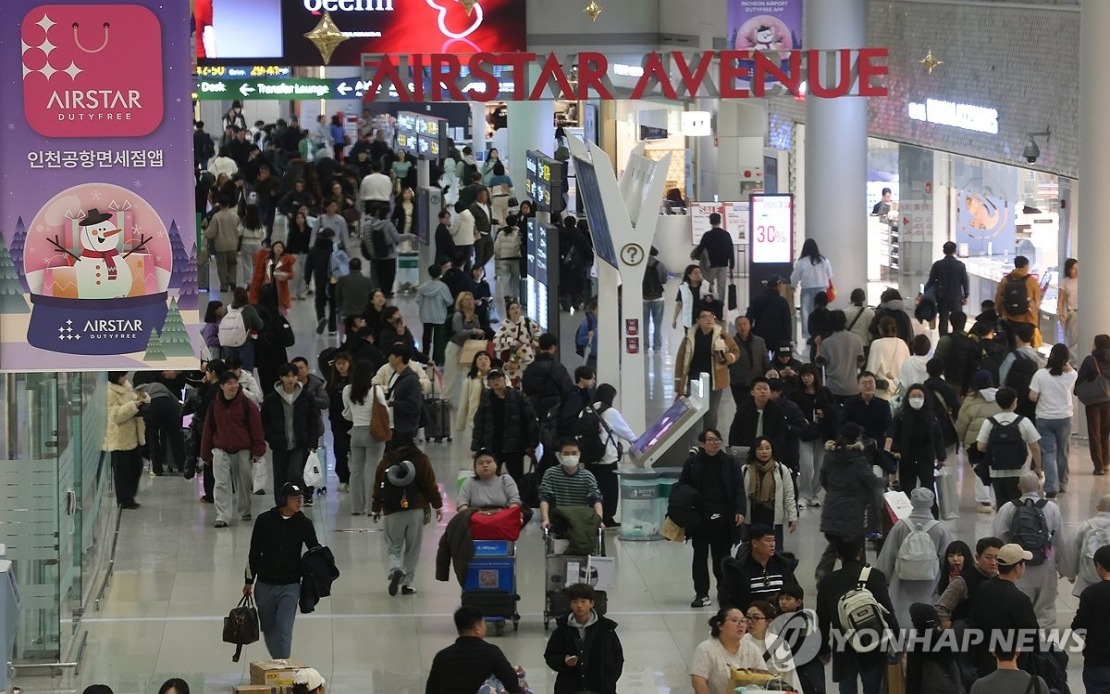
South Korea's tourism recovery has accelerated sharply, with the country crossing the 10 million foreign visitor threshold by the third weekend of June—substantially earlier than the previous year, when the milestone was reached in mid-July. This achievement marks the first time the figure has been attained within a calendar year's first half, signalling robust momentum for an annual record that could reshape the nation's post-pandemic tourism landscape.
The acceleration in visitor arrivals underscores a significant shift in international travel patterns toward Seoul and beyond. The Ministry of Culture, Sports and Tourism confirmed that despite economic headwinds including elevated fuel surcharges stemming from Middle East tensions, inbound traffic has sustained double-digit growth. Through May alone, monthly arrivals reached 1.95 million, representing a 19.4 percent year-on-year increase. This sustained pace suggests that South Korea's appeal as a destination remains resilient even as geopolitical uncertainties affect global aviation costs.
Chinese nationals have emerged as the dominant visitor cohort, with 560,000 arrivals recorded in May, underscoring Beijing's importance to Seoul's tourism economy. Japanese visitors ranked second at 360,000, while American tourists contributed 210,000 arrivals. This composition reveals how South Korea's tourism strategy—centred on proximity to East Asian markets and cultural exports—continues to yield tangible results. The concentration of visitors from these three nations suggests that targeted marketing and bilateral relationships directly influence visitor numbers.
A particularly encouraging development is the geographic diversification of tourism activity beyond Seoul's traditional dominance. Regional airports, which funnel visitors to provinces outside the capital, recorded growing throughput as the year progressed. January saw 230,000 arrivals through these airports, a figure that climbed to 360,000 by May. This expansion indicates that South Korea is successfully channelling international travellers beyond the congested capital region toward secondary destinations, potentially alleviating strain on Seoul's infrastructure while developing tourism revenue streams in provincial economies.
Foreign visitors' spending patterns reveal sustained confidence in the Korean market. Card expenditure, encompassing both in-person and online transactions, totalled 2.12 trillion won (approximately US$1.38 billion) in May alone. This represents the first time monthly spending exceeded 2 trillion won since tracking began in 2018, demonstrating that visitors are not merely arriving in greater numbers but spending more per capita. This metric carries particular significance for Korean retailers, hospitality establishments, and entertainment venues heavily dependent on international clientele.
The timing of this tourism surge carries strategic implications for Southeast Asian competitors in the regional tourism market. Countries such as Thailand, Vietnam, and Indonesia have cultivated their own appeal to Chinese, Japanese, and American tourists. South Korea's success in channelling these visitor segments suggests that established cultural brands—particularly K-pop and Korean entertainment—provide a competitive moat. Malaysian destinations, while offering unique advantages in nature-based and cultural tourism, may benefit from studying how South Korea leverages soft power to maintain visitor momentum even during periods of economic uncertainty.
Official commentary from Kang Jung-won, the Ministry of Culture, Sports and Tourism's tourism policy office head, emphasised continued expansion of promotional efforts through private-sector partnerships. The ministry plans to deepen collaboration with K-pop artists and export companies to maintain South Korea's positioning as a premier travel destination. This approach reflects a sophisticated understanding that destination branding increasingly relies on cultural industries and entertainment exports rather than traditional heritage marketing alone. For regional competitors, this signals the necessity of developing comparable soft-power assets or cultivating distinct positioning within Asia's highly competitive tourism landscape.
The recovery trajectory also merits examination within the broader context of Asia-Pacific tourism. Pre-pandemic, South Korea attracted roughly 17.2 million annual visitors at its peak in 2019. Current pace suggests the nation could exceed 13 million arrivals this year, representing a substantial intermediate milestone. However, reaching previous highs will require sustained momentum through the traditionally slower autumn and winter quarters, when visa restrictions in major source markets and seasonal weather patterns often dampen travel.
For Malaysian policymakers and tourism operators, South Korea's success offers instructive lessons. The emphasis on infrastructure development at regional airports, strategic marketing through cultural products, and data-driven understanding of visitor spending patterns provides a blueprint applicable to Southeast Asian contexts. Malaysia's own initiatives to promote regional tourism through Langkawi and other secondary destinations could be strengthened through comparable coordination between government and private-sector stakeholders. Furthermore, Malaysia's considerable Chinese and Japanese visitor populations present opportunities for competitive positioning should South Korean services become capacity-constrained or prices rise significantly.
Looking forward, South Korea's trajectory will depend on maintaining service quality, managing capacity challenges, and sustaining the appeal of its cultural exports. The nation's ability to exceed the 10 million mark by mid-June, rather than mid-July, demonstrates that momentum can be amplified through targeted investment and strategic partnerships. Whether this year's unprecedented first-half performance translates into a genuine annual record remains contingent on post-summer visitor patterns, but current indicators suggest South Korea's tourism recovery has entered a new growth phase with significance extending far beyond Seoul's borders.