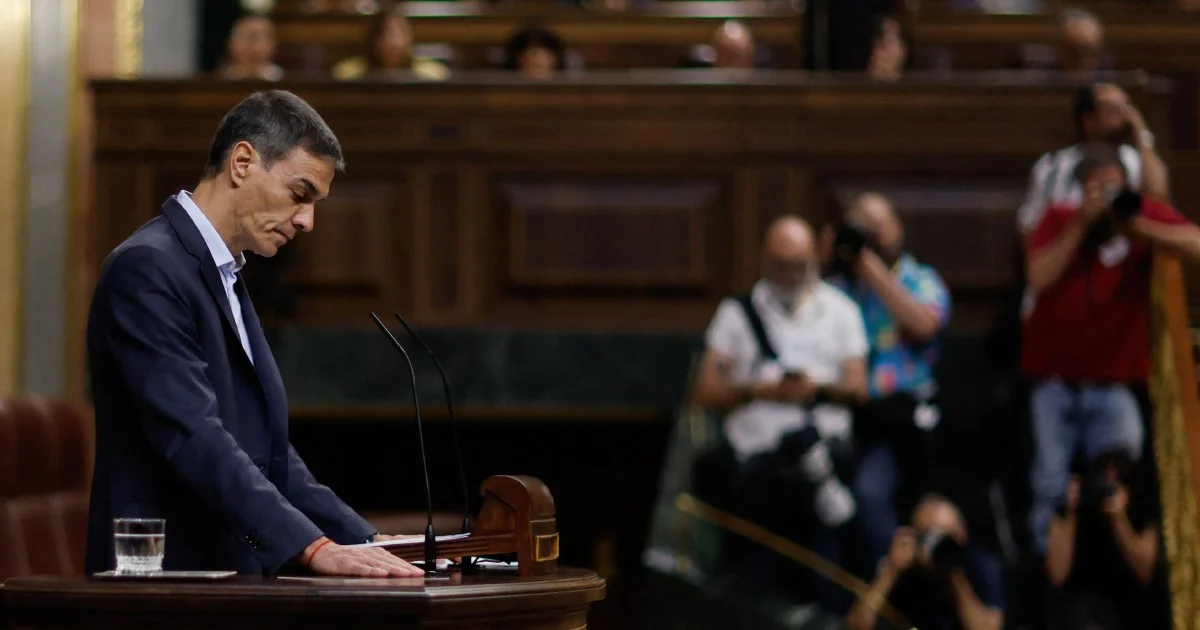
Spanish Prime Minister Pedro Sanchez moved swiftly to contain political fallout on Wednesday, publicly refuting characterisations of his Socialist party as deeply corrupt following the imprisonment of a prominent former adviser implicated in a major scandal involving illicit payments and influence-peddling. The conviction and jailing of the ex-aide represents a significant test for Sanchez's administration, which has struggled with questions about governance integrity whilst navigating a delicate parliamentary majority.
The timing of the scandal carries particular weight in Spanish politics. Sanchez leads a Socialist minority government that depends on backing from smaller parties to pass legislation, meaning any perception of systemic ethical failures could destabilise coalition arrangements and provoke defections among his fragile parliamentary partners. The case has surfaced precisely when the government seeks to maintain focus on its legislative agenda and economic management, making the denial strategy a calculated effort to compartmentalise the scandal as an isolated incident rather than a reflection of broader institutional rot.
Though the full details of the aide's culpability remain in focus, the severity of the conviction suggests involvement in activities extending beyond simple administrative irregularities. Prison sentences in corruption cases typically involve concrete evidence of quid pro quo arrangements, undisclosed financial transfers, or abuse of official position—the very elements that tend to erode public confidence in governance. By framing the situation as an individual actor's misdeeds rather than a pattern of organisational behaviour, Sanchez attempts to shield the broader party apparatus from reputational damage.
Spain's political culture has grown increasingly sensitive to corruption narratives following decades of high-profile scandals affecting multiple major parties. The Socialist party itself has weathered previous scandals, though several years have passed since the most damaging episodes. This fresh case revives dormant concerns about whether sufficient institutional reform has taken root to prevent recurrence. The opposition will almost certainly weaponise the conviction during parliamentary debates and in public campaigning, particularly as the government prepares for upcoming legislative battles or potential electoral contests.
The aide's imprisonment raises questions about internal party vetting procedures and whether organisational culture adequately discouraged or prevented corrupt dealings. How did an individual with access to sensitive government functions allegedly accumulate the wherewithal and opportunity to engage in activities serious enough to warrant incarceration? These questions typically consume media attention and force governments into extended defensive postures unless handled with exceptional clarity and transparency.
For Malaysian observers, the Spanish situation offers instructive parallels. Southeast Asian democracies have similarly grappled with high-profile graft cases affecting senior officials and their inner circles. The pattern of denial, compartmentalisation, and attempts to segregate individual malfeasance from broader institutional culture appears consistent across different political systems and regional contexts. How effectively governments manage such moments—through accountability mechanisms, reform measures, or transparent investigations—ultimately shapes public trust and institutional legitimacy.
The economic implications deserve consideration as well. Corruption scandals can unsettle investor confidence, particularly if they suggest systemic weaknesses in governance or regulatory oversight. Spain's economic recovery and EU standing depend partly on demonstrated commitment to rule of law and institutional integrity. A perception of widespread ethical lapses could complicate Spain's position within European structures and affect capital flows into the country.
Sanchez's categorical denial strategy may satisfy his core supporters, but sceptical observers will likely demand substantive evidence of party-wide reforms, independent investigations, and institutional safeguards. Spanish media will undoubtedly probe whether the conviction reveals isolated wrongdoing or whether other current or former officials face similar allegations. The density and nature of such revelations will ultimately determine whether the PM's framing succeeds or backfires.
The political mathematics facing Sanchez remain challenging. Losing even small numbers of parliamentary allies could render his government vulnerable to no-confidence motions or obstruction on key legislative initiatives. This vulnerability means the administration must simultaneously address public concerns about corruption whilst avoiding measures that appear punitive toward the Socialist party itself—an inherent tension that government communications rarely resolve elegantly.
As Spain navigates this episode, broader questions persist about whether single-party denials satisfy democratic accountability standards or whether multi-party commissions, independent audits, and external oversight might provide more credible frameworks for addressing systemic corruption concerns. The coming weeks will reveal whether Sanchez's dismissal statement concludes the matter or merely marks the beginning of an extended political crisis.