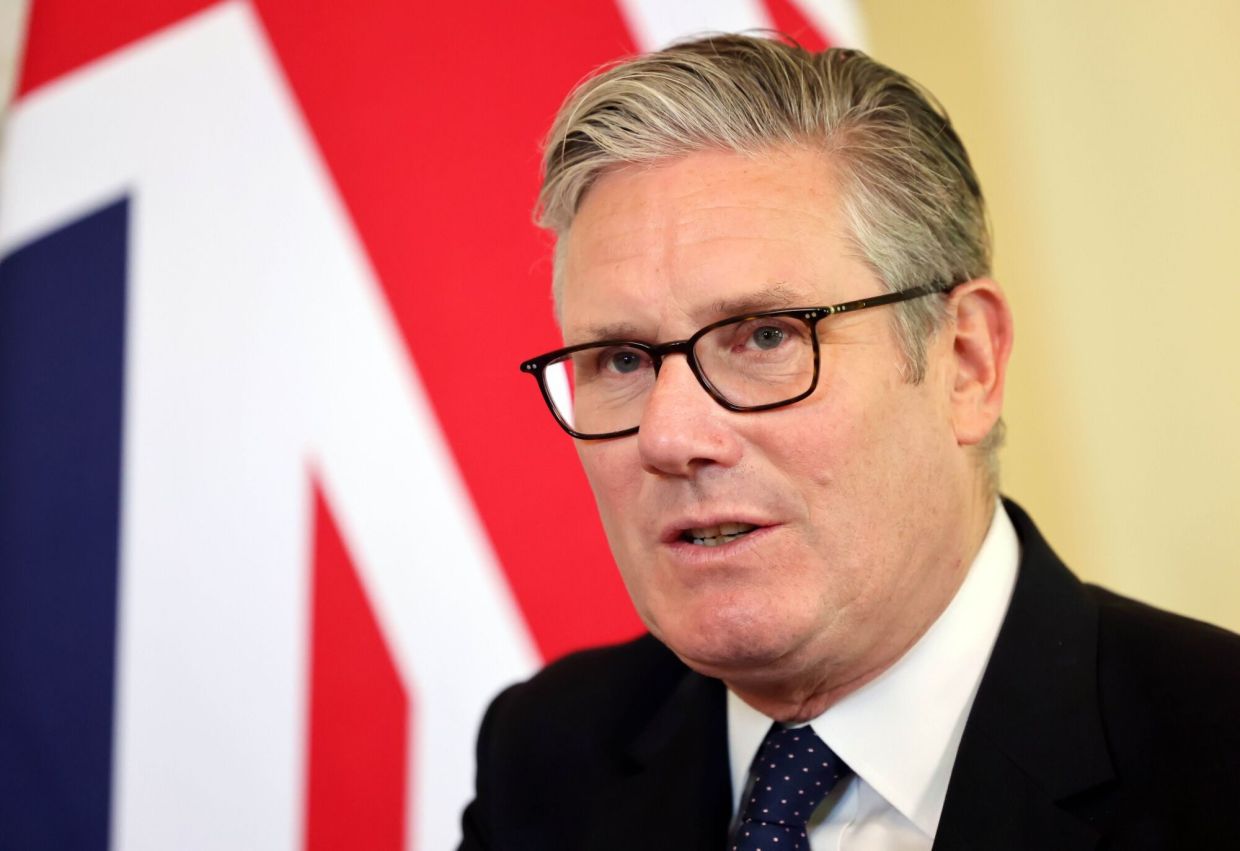
Prime Minister Keir Starmer is set to unveil sweeping safeguarding measures Monday morning aimed at protecting young Britons from digital harms. The centrepiece will be a prohibition preventing anyone under 16 from accessing leading social media platforms, complemented by restrictions on chatbots and online gaming for adolescents, plus night-time curfews for older teenagers. The announcement comes before Starmer departs for Évian-les-Bains to attend the Group of Seven gathering, where he must address scrutiny over his defence secretary's recent departure and lingering doubts about military funding commitments.
Starmer framed the crackdown as a fundamental question of values. "This is a choice about whose side we're on: families across the country, or a status quo that isn't working," the Prime Minister stated in a late Sunday statement. The proposed protections exceed those implemented in Australia, where comparable age-based social media restrictions commenced last year. Public backing for such measures remains strong despite reservations about practical enforcement mechanisms.
Critics have questioned the timing and thoroughness of the government's approach. Ian Russell, whose teenage daughter died by suicide in 2017 following exposure to damaging online material, warned it would be "deplorable" if the announcement represented opportunistic policy announcement before an expected internal Labour challenge. The Liberal Democrats lambasted the proposals as "rushing through a half-baked policy just to secure a political legacy." Internal party voices have also expressed concern that the decision to implement a complete ban for under-16s was expedited ahead of Thursday's Makerfield by-election, despite a public consultation concluding merely weeks earlier.
Starmer faces mounting political pressure from multiple directions. His expected successor at the upcoming contest, Andy Burnham, is poised to capture the parliamentary seat in northwest England's special election, potentially positioning him to mount a leadership challenge this summer. The government has already weathered departures by Defence Secretary John Healey, junior defence minister Al Carns and two ministerial aides, with Healey citing inadequate defence budget increases given rising threats from Russia and rival powers.
Culture Secretary Lisa Nandy signalled continued efforts to locate additional resources for defence spending. "Negotiation is happening as we speak," Nandy told broadcasters Sunday, hinting that Starmer was exploring supplementary funding avenues from within departmental budgets. A more substantial increase would help the Prime Minister honour commitments made to allied nations, though following Healey's resignation, securing more money carries political risks of appearing to reverse position.