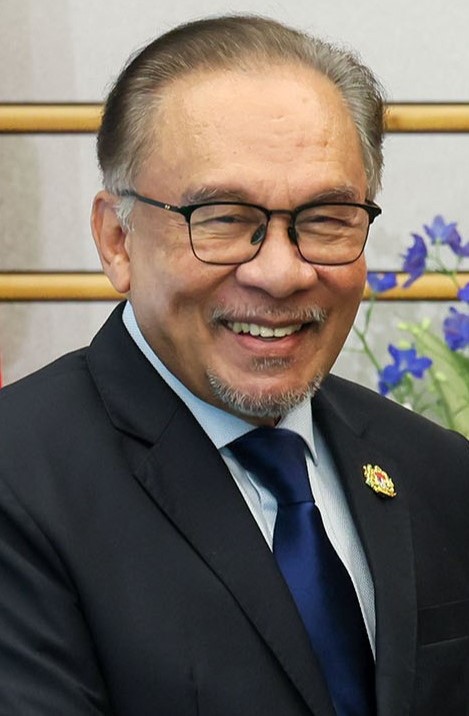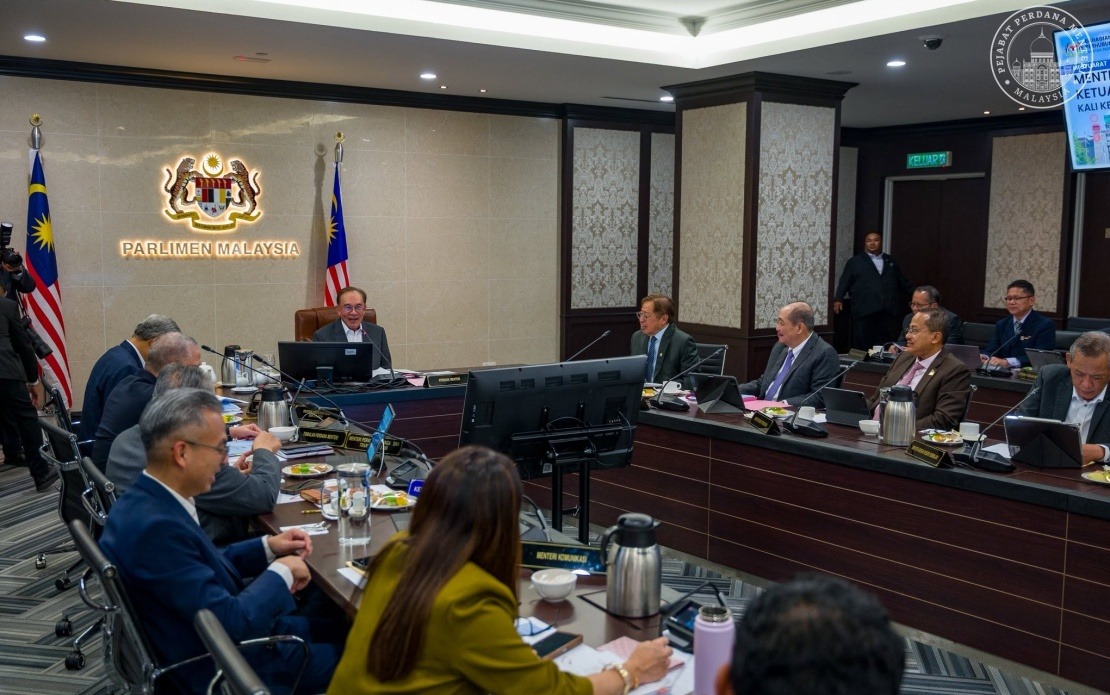
Prime Minister Datuk Seri Anwar Ibrahim convened the 149th Meeting of Menteris Besar and Chief Ministers at the Parliament Building in Kuala Lumpur on June 23, bringing together regional leaders to tackle interconnected economic and environmental challenges facing the nation. The gathering reflected growing concern about how external shocks—particularly the escalating tensions in West Asia—are rippling through global markets and threatening Malaysia's economic trajectory during a vulnerable period of recovery.
The meeting's primary focus centred on comprehensive strategies to revitalise Malaysia's economy amid what officials characterised as a period of significant global instability. Geopolitical conflicts, particularly in the Middle East, have created unpredictable conditions for international trade, investment flows, and commodity prices—all critical variables affecting Malaysia's export-dependent economy. By assembling state leadership, the federal government sought to coordinate responses and ensure that economic initiatives at both federal and state levels move in synchronised directions.
Beyond immediate economic concerns, the gathering addressed natural hazards that pose distinct threats to Malaysia's development trajectory. The anticipated El Niño phenomenon emerged as a central discussion point, given its potential to disrupt water supply systems, compromise agricultural productivity, and undermine food security across multiple states. Officials also flagged the heightened risk of extreme heat waves and haze events, which would strain public health systems and damage air quality in ways that could deter investment and harm productivity.
Anwar emphasised in his statement that the meeting underscored a commitment to policy coherence across all levels of government. The emphasis on integrated, efficient, and people-centric implementation reflects recognition that fragmented approaches—where federal and state governments operate at cross-purposes—waste resources and undermine development outcomes. This signals a deliberate shift toward whole-of-government coordination, ensuring that initiatives aimed at economic strengthening actually reach beneficiaries and deliver measurable results.
Attracting quality foreign and domestic investment formed another central theme of discussions. Malaysian policymakers recognise that merely increasing investment volumes matters less than securing long-term commitments in sectors that generate high-value employment and technological spillovers. The current environment of geopolitical uncertainty makes this task more challenging, as multinational corporations reassess supply chain strategies and reconsider regional hubs. State leaders collectively recognised the need to enhance Malaysia's proposition to investors through improved infrastructure, regulatory clarity, and workforce development.
The commitment to safeguarding the wellbeing of all Malaysians reflected awareness that economic growth divorced from inclusive outcomes generates political instability and social fragmentation. The emphasis suggests that development initiatives should explicitly target disadvantaged communities, rural areas, and sectors where structural unemployment persists. This inclusive growth agenda becomes particularly important given rising cost-of-living pressures that have strained household finances across income groups.
A fundamental theme emerging from the meeting was the strengthening of federal-state relations through consensus-building. Malaysia's federal structure necessarily requires cooperation between Putrajaya and thirteen states, yet this cooperation has historically been uneven, varying with electoral dynamics and partisan alignments. By emphasising togetherness and shared purpose, Anwar signalled an attempt to depoliticise development delivery and ensure that state governments—regardless of political affiliation—work toward common national objectives.
The meeting's focus on economic competitiveness reflects deeper structural anxieties about Malaysia's regional position. Southeast Asian peers including Vietnam and Thailand have captured manufacturing investments that might previously have flowed to Malaysia. Indonesia's vast domestic market presents both competition and opportunity. The meeting implicitly acknowledged that maintaining Malaysia's status as an upper-middle-income economy requires continuous upgrading of competitive advantages, whether through innovation, human capital development, or strategic positioning within regional supply chains.
For Malaysian readers, the implications are multifaceted. Economic revival efforts should eventually translate into job creation, rising wages, and improved public services—outcomes that directly affect household living standards. The emphasis on preparedness for El Niño suggests that state governments will allocate resources toward water security, agricultural support, and disaster risk reduction, protecting vulnerable populations from climate impacts. The federal-state coordination agenda offers promise for more streamlined service delivery, though implementation will ultimately determine whether consensus translates into tangible improvements.
The gathering also reflected Malaysia's positioning within broader geopolitical currents reshaping Asia's economic landscape. By convening state leaders to focus on resilience and coordinated response to external shocks, federal authorities demonstrated commitment to building an economy less vulnerable to sudden disruptions. This forward-thinking approach acknowledges that Malaysia's future prosperity depends partly on factors beyond domestic control—global trade patterns, commodity prices, geopolitical stability—and partly on deliberate policy choices that enhance adaptability and diversification.
Moving forward, the test of this 149th meeting's significance lies not in the rhetoric of togetherness but in whether announced initiatives materialise into changed conditions on the ground. Whether improved federal-state coordination actually accelerates infrastructure development, whether economic revival policies create meaningful employment, and whether climate preparedness measures protect agricultural communities—these outcomes will determine whether the gathering represents genuine recalibration of governance approaches or merely another high-level meeting where aspirations outpace implementation.