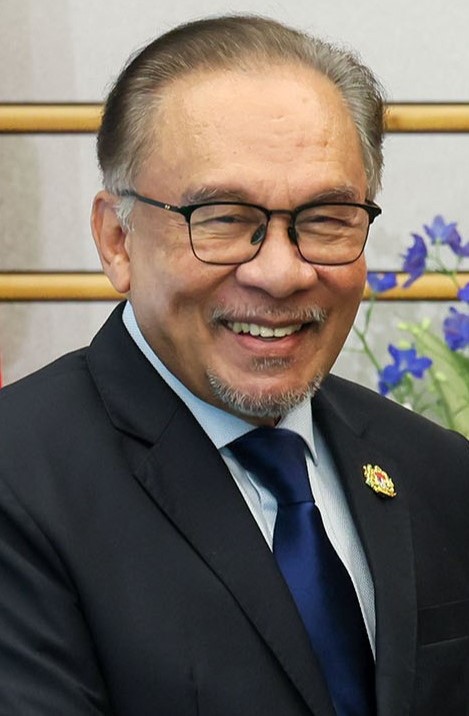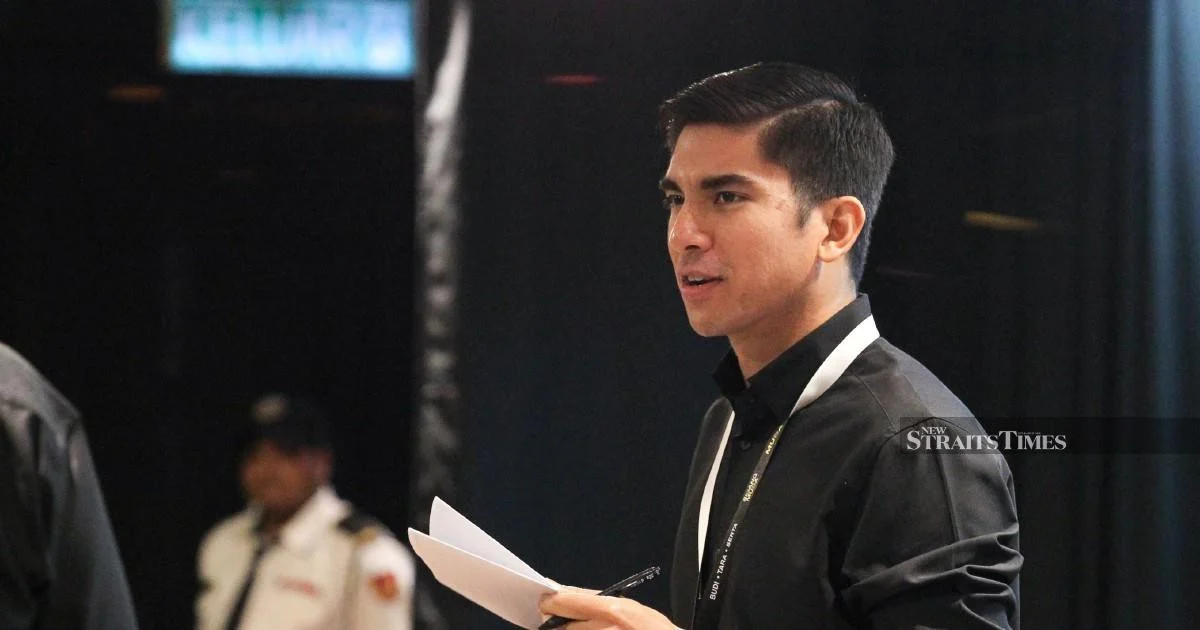
Syed Saddiq Syed Abdul Rahman, the member of parliament for Muar, has announced plans to direct the full amount of RM115,000 earned from a newly undertaken part-time position towards addressing the needs and development priorities of his constituency. The declaration, made in Johor Baru, underscores the politician's commitment to reinvesting supplementary income back into the community he represents.
The decision to channel the earnings reflects a growing practice among Malaysian parliamentarians who balance legislative responsibilities with external income-generating opportunities. For Syed Saddiq, whose political trajectory has been marked by efforts to appeal to younger voters and demonstrate fiscal responsibility, the move appears designed to deflect potential criticism over holding multiple paid positions whilst serving as an elected representative.
Muar, a constituency in Johor with a population exceeding 100,000 voters, has historically faced competition for federal allocation and infrastructure investment compared to larger urban centres. The allocation of RM115,000 represents a meaningful, if modest, injection of resources that could address grassroots projects such as community facilities repairs, educational support programmes, or local event sponsorship that fall outside conventional government budgets.
The timing of this announcement gains significance against the backdrop of ongoing public discourse in Malaysia regarding parliamentarians' financial transparency and potential conflicts of interest. Opposition parties and civil society organisations have periodically raised concerns about lawmakers holding directorships, consultancy roles, or advisory positions with private entities whilst maintaining their parliamentary seats. Syed Saddiq's public commitment to redirect income demonstrates awareness of these sensitivities, though it simultaneously raises questions about the nature and scope of the part-time engagement itself.
For context, Syed Saddiq has previously held positions with various organisations and has been vocal about youth empowerment and economic participation. His political brand emphasises pragmatism and willingness to operate within Malaysia's multiethnic and multiparty system, having previously served as Minister of Youth and Sports before transitioning to an opposition politician following the 2022 general election. His current Muar seat represents a key constituency where maintaining visible engagement and demonstrating tangible benefits to residents becomes crucial ahead of the next electoral cycle.
The RM115,000 commitment also invites scrutiny regarding parliamentary standards and best practices across Southeast Asia. In neighbouring countries such as Thailand and Indonesia, regulations governing elected officials' outside earnings vary significantly, with some jurisdictions imposing stricter disclosure requirements or caps on supplementary income. Malaysia's current framework permits parliamentarians to engage in external activities, though expectations for transparency have intensified with greater public access to information and social media scrutiny.
Constituency development funds typically originate from various sources including government allocations, political party channels, and increasingly, personal commitments by individual representatives seeking to strengthen their local profile. By publicly pledging this contribution, Syed Saddiq establishes a measurable benchmark against which constituents can assess his follow-through, creating both opportunity and accountability. Implementation mechanisms—whether through direct grassroots projects, contributions to local associations, or infrastructure improvements—will likely influence public perception of the pledge's genuineness.
The announcement resonates particularly with Muar's demographic profile and economic conditions. The constituency encompasses both urban and semi-rural areas, with pockets of lower-income communities that frequently depend on modest-scale development initiatives and community support programmes. Educational sponsorships, vocational training subsidies, or facility upgrades represent interventions where supplementary parliamentary contributions can produce visible local impact relatively efficiently.
Broader Malaysian political dynamics add another dimension to this move. As parliament operates with narrow coalition majorities and frequent realignments, individual MPs' demonstrated commitment to their constituencies becomes an asset during potential political negotiations or coalition adjustments. Syed Saddiq's gesture, whilst ostensibly a straightforward commitment to his community, also subtly reinforces his status as an engaged and constituency-focused representative rather than a purely national or partisan figure.
The part-time position's nature remains undisclosed, though the specificity of the RM115,000 figure suggests a contractual arrangement with clearly defined terms and duration. Whether this represents directorship remuneration, consultancy fees, professional services compensation, or advisory position payments could affect how stakeholders interpret the arrangement's alignment with parliamentary duties and ethical guidelines.
Moving forward, observing how Syed Saddiq disburses these funds and which projects benefit will provide insight into his operational style and priorities. The pledge establishes a foundation for continued engagement with Muar residents and offers a mechanism through which supplementary income can be transparently channelled into community benefit, addressing a gap that conventional government allocations and party resources sometimes leave unfilled across Malaysia's diverse constituencies.