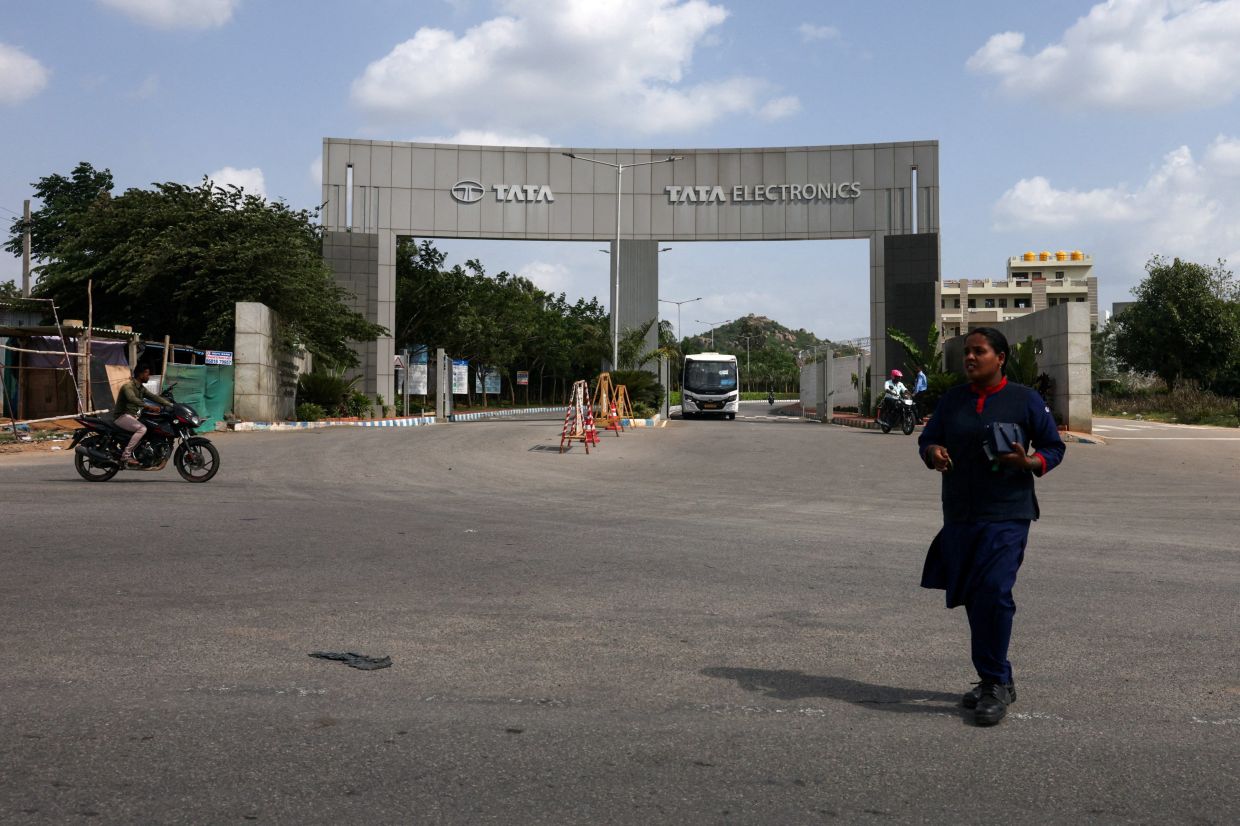
Tata Electronics acknowledged on Monday that it had uncovered a cybersecurity breach affecting some of its computer systems, following disclosures by security researchers that a ransomware operation calling itself World Leaks had published what it claims are confidential design documents and technical specifications belonging to two of India's most strategically important technology customers: Apple and Tesla. The leaked data collection amounts to over 200,000 files totalling approximately 630 gigabytes, according to researchers who examined the materials posted on the dark web.
The Indian conglomerate moved swiftly to contain the incident, deploying emergency response protocols within weeks of detection and maintaining that the breach had produced no disruption to its operational systems or business continuity. In its statement to Reuters, Tata Electronics stressed that its manufacturing divisions across all business lines remained fully functional and unaffected by the intrusion. However, the company declined to address specific aspects of the incident, including allegations that it had received a formal ransom demand from the attackers—a detail confirmed by sources close to Apple's investigation into the breach.
Apple, which relies on Tata as a critical manufacturing partner in India, launched an immediate investigation into the stolen material and initiated what company sources described as a comprehensive forensic analysis of the breach. The technology giant declined to comment publicly on the incident or its findings. Tesla similarly abstained from providing statements regarding the alleged theft of its proprietary documents, despite evidence that the leaked files include what appear to be detailed specifications and design drawings for components used in its vehicle lineup, including materials referencing the internal codename "Project Highland"—an initiative known publicly to be associated with Tesla's refreshed Model 3 sedan.
SecurityResearchers examining the leaked dataset identified compelling indicators of authenticity, including documents bearing official proprietary markings from both companies. A 52-page file carrying Apple's confidential classification appeared to contain detailed quality inspection protocols for iPhone circuit board components. Search results within the World Leaks database returned 181 files and folders associated with Apple, while Tesla-related materials included what looked like manufacturing specifications and assembly documentation dated as recently as May 2025. The presence of multiple documents explicitly marked as trade secrets and proprietary information underscores the sensitivity of the material compromised in the breach.
Tata's emergence as a cornerstone of Apple's manufacturing ecosystem outside China represents a pivotal element of Prime Minister Narendra Modi's broader ambition to transform India into a global electronics production centre. The company currently accounts for approximately one-third of all iPhone manufacturing capacity in India, with Foxconn managing the remainder. The attack strikes at a particularly vulnerable moment for this strategic objective, as Tata concurrently faces environmental scrutiny related to allegations of farmland contamination near one of its iPhone assembly facilities. The convergence of these challenges threatens to undermine confidence in India's capacity to serve as a reliable alternative to Chinese manufacturing networks.
Tata Electronics' exposure to sophisticated cyber threats is not unprecedented. The conglomerate's British luxury automobile subsidiary, Jaguar Land Rover, experienced a significant ransomware attack during the preceding year that forced a complete cessation of production operations for six weeks. That incident demonstrated both the scale of potential disruption and the determined targeting of Tata's valuable intellectual property and operational systems by organised cybercriminals. The latest breach suggests that despite whatever remediation efforts followed the 2024 attack, vulnerabilities remain embedded within Tata's broader cybersecurity infrastructure.
The World Leaks operation, which has claimed responsibility for other high-profile breaches including a previously disclosed attack on Nike, maintains its presence exclusively on the dark web where conventional internet search engines cannot access its content. This operational model allows the group to distribute stolen data and conduct ransom negotiations beyond the reach of law enforcement monitoring. The group's website explicitly advertises the Tata Electronics material as available for purchase or negotiation, following the standard extortion playbook employed by contemporary ransomware syndicates. The sheer volume and specificity of the alleged data theft suggest a highly organised operation with sustained access to Tata's systems over an extended period.
Indian cybersecurity researcher Rajshekhar Rajaharia, who has previously consulted with Indian law enforcement on cyber incidents, reviewed portions of the leaked database and confirmed the presence of extensive operational intelligence beyond simple design documents. The stolen materials reportedly include years' worth of system event logs, internal email communications, and copies of employee identification documents belonging to both Indian nationals and foreign workers. A second security analyst, Rakesh Krishnan, confirmed that the materials had been accessible on the dark web since at least June 10, suggesting a lag between the actual data exfiltration and its public disclosure—a common tactic that maximises pressure on target organisations to pay ransom demands before information becomes public.
Tata informed some employees working at its flagship iPhone assembly operations in Tamil Nadu state's Hosur location of the data breach during the preceding week, according to industry sources. The presence of 33 files and folders specifically tagged with references to Hosur in the leaked database indicates that attackers possessed granular knowledge of Tata's organisational structure and facility locations. This specificity suggests the breach may have originated from inside knowledge or particularly sophisticated reconnaissance rather than opportunistic scanning of external systems. The targeting of this particular facility, which represents a cornerstone of Apple's India strategy, underscores the calculated nature of the attack.
The incident illuminates the expanding vulnerability of multinational technology supply chains to increasingly sophisticated and well-resourced cyber criminal organisations operating across international jurisdictions. Tata's role in manufacturing components for both Apple and Tesla places it at the intersection of two massive technology ecosystems whose competitive advantages depend substantially on protecting proprietary design information and manufacturing processes. The breach creates potential competitive intelligence advantages for rivals while simultaneously exposing both companies to potential regulatory scrutiny regarding their supply chain security practices. For India's broader ambitions to attract electronics manufacturing investment as a counterweight to Chinese production dominance, the incident raises uncomfortable questions about whether the country's cybersecurity infrastructure can adequately protect the intellectual property of world-leading technology companies.
India's Computer Emergency Response Team, the government agency responsible for coordinating responses to major cyber incidents within the country's IT infrastructure, did not immediately respond to inquiries about the breach or any ongoing investigation. The silence from this official body mirrors the broader challenge facing India's cybersecurity establishment: responding to increasingly sophisticated transnational cyber operations that often target critical infrastructure and intellectually valuable assets. Whether this particular incident will prompt enhanced security requirements for foreign companies manufacturing in India remains to be seen, though the reputational damage from such a high-profile breach of major technology customers' secrets may well accelerate discussions about stricter security protocols for Tata and other manufacturers seeking to anchor Apple and Tesla operations in India.