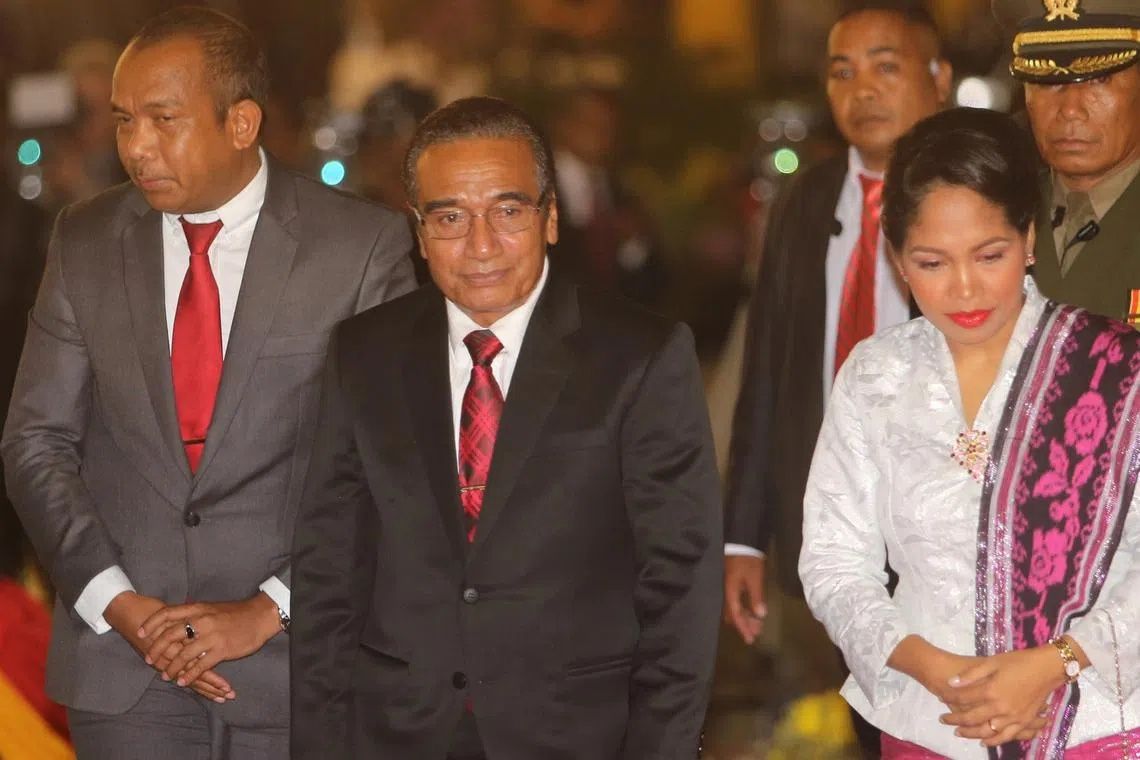
Timor-Leste's government announced a week-long period of mourning on June 22 following the death of former president Francisco "Lu-Olo" Guterres, a towering figure in the Southeast Asian nation's struggle for independence. The 71-year-old passed away over the weekend at a Malaysian medical facility, marking the end of an era for a country whose modern statehood was inseparable from his decades of political and military activism. The declaration underscores the profound respect Guterres commanded across Timorese society, transcending the partisan political divisions that characterised his later years in public life.
As a mark of respect, authorities have ordered flags at government buildings, diplomatic missions, and consular offices throughout the country to be lowered to half-mast during the mourning period. This ceremonial gesture reflects the customary practices observed in the former Portuguese colony when acknowledging the passing of national figures of historical significance. Government officials confirmed that detailed funeral arrangements remain under discussion, with family representatives indicating that Guterres's remains would be returned to Dili, the capital, on Tuesday for a final farewell befitting his stature.
Guterres's political trajectory embodied the founding generation of independent Timor-Leste. Rising from modest circumstances, he became synonymous with the armed resistance movement against Indonesia's 24-year occupation, which lasted until 2002. His ascent through the ranks of both the liberation struggle and subsequent governance structures reflected the trust placed in him by citizens who had endured decades of conflict and uncertainty. When he secured the presidency in 2017 with over 57 percent of the vote, his election represented a victory for those who valued his continuity with the independence movement and his vision for nation-building in the post-conflict era.
His single presidential term from 2017 to 2022 coincided with critical years of consolidation for the young nation. During this period, Timor-Leste navigated complex challenges ranging from economic development to regional diplomatic positioning. However, his attempt to secure a second mandate in 2022 proved unsuccessful. In a presidential runoff, Nobel laureate Jose Ramos-Horta defeated him, bringing a change in leadership that reflected evolving political preferences within the electorate. Despite this electoral setback, Guterres retained considerable moral authority within the nation due to his unquestionable commitment to independence and nation-building.
Ramos-Horta, now serving as president, released a statement honouring his predecessor as a "great patriot" whose contribution to the nation remained immeasurable. The gracious tribute from the sitting president underscores the respect that transcends electoral competition in societies where shared historical experience binds leaders together. Ramos-Horta's acknowledgement of Guterres's passing as "a great loss for the nation" signals recognition that regardless of recent political differences, the former president's legacy belongs to the entire country rather than to any single faction.
The Fretilin party, which Guterres formerly led and which remains one of Timor-Leste's dominant political organisations, issued statements reflecting sorrow at the loss of one of its most prominent historical figures. Similarly, the government extended official condolences to his family and to all citizens affected by his death. These coordinated expressions of grief across different political and institutional actors demonstrate how Guterres's historical significance encompasses the entire political spectrum of Timorese society.
Guterres's family released a statement requesting privacy during their time of mourning while simultaneously inviting the public to honour his memory and reflect on his life's work. The family's measured approach balanced the personal need for space against the public's desire to pay respects to a figure whose life was so thoroughly intertwined with national events. This appeal for quiet dignity contrasts with the magnitude of the national mobilisation surrounding his death, reflecting the complex relationship between private grief and public commemoration.
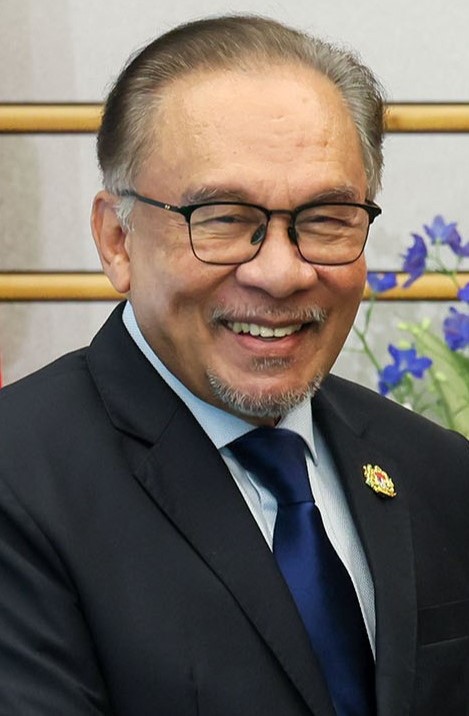
The news of his passing resonated beyond Timor-Leste's borders, with regional and international leaders expressing condolences. Malaysian Prime Minister Datuk Seri Anwar Ibrahim stated that he felt saddened by Guterres's death and offered sympathies to his family and the Timorese people. Anwar's statement acknowledged that Guterres would "be remembered here with respect and affection," suggesting that the former president had built goodwill through his diplomatic engagement with Malaysia and other neighbours during his presidency. This regional dimension of mourning reflects the interconnectedness of Southeast Asian political leadership circles.
Guterres's death marks the passing of a direct link to Timor-Leste's armed independence movement, a generation of leaders whose legitimacy derived from their personal sacrifice during the occupation. As the nation continues to develop, younger generations increasingly distant from the liberation struggle will assume greater prominence in political decision-making. The transition nonetheless preserves the founding generation's legacy through institutional memory and the ongoing influence of figures like Guterres on national consciousness.
The week-long mourning period provides an opportunity for Timorese society to collectively reflect on independence's meaning and the sacrifices that secured it. For regional observers, Guterres's passing underscores how Southeast Asian nations remain shaped by their decolonisation experiences and the leaders who guided them through those transformative moments. His life exemplifies the complex journey from armed resistance fighter to elected statesman, a pathway followed by liberation leaders across the region and a reminder of the historical forces that continue to shape contemporary Southeast Asia.