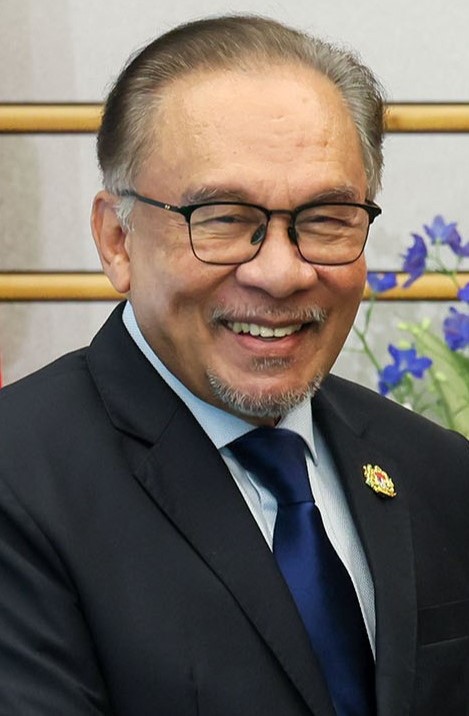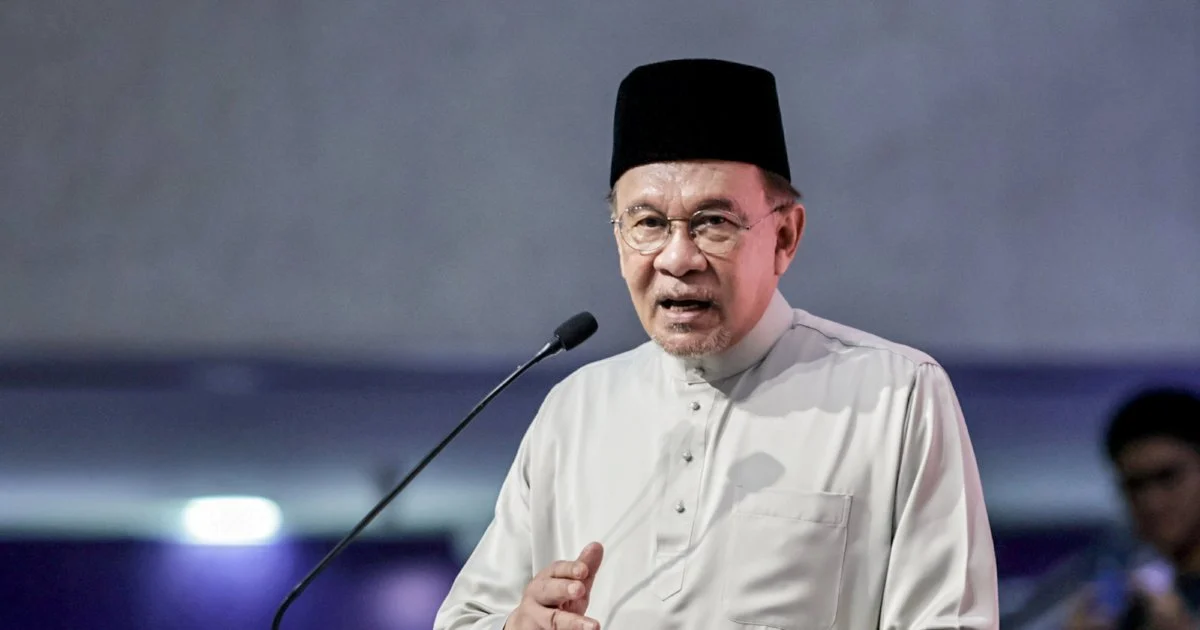
The Tunku Mahkota of Johor, Tunku Ismail Sultan Ibrahim, extended an audience to Prime Minister Datuk Seri Anwar Ibrahim in Kuala Lumpur today, marking another significant interaction between the federal leadership and the Johore royal household. The meeting, which observers characterised as cordial and harmonious, reflects the ongoing engagement between the government and Malaysia's state royal institutions during a period of considerable political evolution.
Royal audiences of this nature serve as important touchpoints in Malaysia's constitutional monarchy framework, where state rulers and their designated heirs maintain formal relationships with the Prime Minister and the broader federal government. The Tunku Mahkota, as the crown prince of Johor, occupies a position of considerable influence not only within his state but across the Southeast Asian region, given Johor's historical and contemporary significance in Malaysia's political economy.
The characterisation of the meeting as both cordial and harmonious carries particular weight in the Malaysian political context, where royal-executive relations have occasionally attracted public attention and media scrutiny. Such explicit descriptions are typically employed to emphasise that discussions proceeded without friction or disagreement, suggesting that both parties found common ground on matters of mutual interest. The careful framing of official royal engagements reflects established protocols governing interactions between constitutional institutions.
Prime Minister Anwar Ibrahim has prioritised maintaining productive relationships across Malaysia's federal and state structures since assuming office. His government faces the complex task of managing a diverse coalition whilst simultaneously addressing the concerns and interests of state governments and their leadership. Meetings with figures of the Tunku Mahkota's stature demonstrate commitment to these institutional relationships, extending beyond purely ceremonial or perfunctory engagement.
Johor's political and economic prominence in the Malaysian federation makes its leadership particularly consequential. As Malaysia's second-largest state by population and a major economic hub, particularly with its port facilities and manufacturing base, Johor's cooperation with federal initiatives remains essential for national development priorities. The Tunku Mahkota's position as crown prince means he is increasingly involved in state governance and policy considerations, making his perspective valuable to federal planning.
The timing and location of such audiences often carry significance within Malaysia's political ecosystem. Conducting the meeting in Kuala Lumpur, the federal capital, rather than in Johor itself, emphasises the federal nature of the engagement whilst acknowledging the Tunku Mahkota's standing. The choice of venue can subtly communicate dynamics about power relationships and the initiative's origin, with audiences granted by royal figures typically held at their residence or chosen location.
The absence of specific agenda details released in public statements is consistent with Malaysian royal protocol, which generally maintains discretion regarding discussions between rulers, their heirs, and government officials. Such confidentiality protects both parties' ability to address sensitive matters frankly whilst preserving the dignity and privacy traditionally accorded to royal engagements. For Malaysian news consumers, the emphasis on the meeting's harmonious character often serves as reassurance regarding institutional stability.
For regional observers, royal-executive meetings in Malaysia carry broader implications. ASEAN partners and international stakeholders monitor such interactions as indicators of Malaysia's internal political stability and the strength of its constitutional framework. A positive characterisation of relations between the Tunku Mahkota and the Prime Minister suggests stable institutions capable of managing competing interests through established channels, which strengthens international confidence in Malaysia's governance.
The Tunku Mahkota has developed an increasingly public profile in recent years, engaging actively with state developmental issues, youth initiatives, and regional matters. His willingness to grant audiences and maintain dialogue with federal leadership demonstrates a commitment to institutional cooperation within Malaysia's constitutional structure. Such engagement models the collaborative approach that Malaysia's constitutional monarchy requires, particularly during periods of significant political change.
For Prime Minister Anwar Ibrahim, securing and maintaining such audiences reflects the importance his administration attaches to state-federal harmony. Building and sustaining relationships with royal leaders across Malaysia's constituent states remains essential political work, particularly given the federation's multi-layered governance structure. The documented harmony of this meeting contributes to a broader narrative of institutional stability that his government seeks to project.
Moving forward, audiences of this type will likely continue serving as important barometers of Malaysia's political health. As the nation navigates complex economic challenges and political transitions, the maintenance of productive relationships between federal and state leadership becomes increasingly valuable. The Tunku Mahkota's engagement with the federal government signals continuity in Malaysia's constitutional traditions whilst permitting contemporary governing challenges to be addressed through established institutional channels.