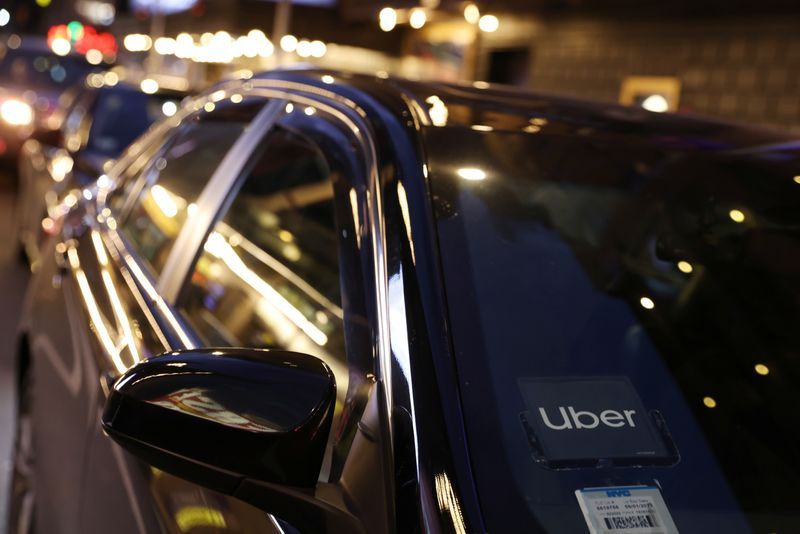
A significant corporate governance challenge has emerged for Uber Technologies as shareholders launched legal action against the ride-sharing giant's board of directors on Monday. The lawsuit, filed in San Francisco federal court by investors including the Police and Fire Retirement System of the City of Detroit, contends that management and board members deliberately overlooked mounting compliance failures across the company. The core allegations focus on how the board's inattention to safety protocols created conditions for widespread sexual assault and harassment claims, while simultaneously allowing other regulatory violations to proliferate unchecked.
At the heart of the shareholders' complaint lies a troubling pattern of institutional indifference to internal and external warnings about driver misconduct. According to the filing, Uber's leadership received repeated notices—from both inside and outside the organisation—documenting the company's failure to adequately screen drivers and respond to abuse allegations. Despite these warnings, the complaint suggests the board permitted business operations to continue with minimal protections for passenger safety, effectively prioritising growth and operational efficiency over victim welfare.
The compliance problems extend far beyond sexual misconduct cases. The shareholders specifically point to lawsuits filed by the federal government last year that accused Uber of systematically discriminating against disabled passengers. These allegations include denying service to individuals with mobility aids, stowable wheelchairs, and service animals—a pattern the plaintiffs characterise as deliberate rather than incidental. The company has also faced charges of deceptive billing practices and improper cancellation fees, suggesting systemic failures across multiple operational domains rather than isolated incidents.
The scale of litigation confronting Uber underscores the magnitude of the company's safety and compliance crisis. As of June 1, the ride-sharing platform faced 3,571 lawsuits across the San Francisco federal court system involving allegations of sexual misconduct by drivers. This staggering number reflects not merely isolated bad actors but rather a systemic failure to implement adequate safety measures or to respond appropriately when incidents occur. The sheer volume of claims suggests that whatever protocols exist have proven inadequate to prevent harm or provide meaningful recourse.
Reputational damage has become increasingly quantifiable for Uber's investors. According to the shareholder complaint, fewer than 40 per cent of users believe the company prioritises safety seriously—a devastating assessment of public confidence. This erosion of trust directly impacts brand value and customer acquisition, making what might appear to be operational or legal matters fundamentally connected to shareholder value destruction. The complaint further alleges that Uber's reputation has been "irredeemably damaged" by sustained negative media coverage stemming from these failures.
The financial consequences have already manifested in market performance. Uber's share price has declined more than 25 per cent since reaching its peak on September 22 last year, reflecting investor concerns about regulatory exposure, reputational risk, and governance weaknesses. For Malaysian investors and regional stakeholders monitoring the company, this declining valuation signals deeper structural problems that may take years to resolve through remedial measures and legal settlements.
Current Chief Executive Dara Khosrowshahi stands among the named defendants, though the shareholders acknowledge he has adopted a less aggressive regulatory posture than his predecessor. However, the complaint contends that Khosrowshahi has nonetheless continued to under-invest in compliance infrastructure and safety systems despite nearly nine years in the role. This suggests the problems run deeper than individual leadership styles, pointing instead to institutional cultures and financial incentives that systematically discourage robust compliance spending.
The legal mechanism being employed—a derivative lawsuit seeking to require directors to reimburse Uber for breaches of fiduciary duty and violations of federal securities law—represents a significant governance accountability mechanism. Rather than seeking personal damages, shareholders are attempting to force the board to restore company funds improperly deployed through negligent leadership. This approach aligns individual director interests with broader corporate welfare in ways that standard shareholder suits do not.
The timing of this lawsuit occurs amid broader industry turbulence regarding driver standards and safety accountability. Earlier this month, Uber and competitor Lyft initiated legal action against New York City, challenging a new municipal law they claim would hamper their ability to remove dangerous drivers from their platforms. This development creates a contradictory narrative: the company argues it needs flexibility to terminate problematic drivers quickly, yet shareholders contend the board has chronically failed to establish adequate screening and monitoring systems in the first place.
For Southeast Asian markets where Uber operates, particularly in Malaysia, these governance and safety issues carry direct relevance. Regulatory authorities across the region have increasingly scrutinised ride-sharing platforms' safety protocols and driver vetting procedures. Uber's documented compliance failures and the resulting shareholder litigation may prompt Malaysian regulators to impose stricter safety requirements, background check standards, or incident reporting procedures. Companies operating in multiple jurisdictions often face pressure to implement globally consistent standards that reflect the most stringent requirements from any market.
The shareholder lawsuit also illustrates how corporate governance failures ultimately impose costs on the riding public, employees, and victims of misconduct. When boards fail to exercise adequate oversight, the consequences extend beyond share price fluctuations to encompass real human suffering. This reality makes the litigation not merely a technical securities matter but a broader statement about accountability in technology-driven service industries.
The outcome of this case remains uncertain, but it has established a clear precedent that major ride-sharing platforms cannot ignore compliance failures without facing consequences from their own shareholders. As Uber navigates these legal challenges, the company faces pressure to demonstrate meaningful reform in safety protocols, driver screening procedures, and victim support mechanisms. The extent to which these changes occur voluntarily versus through court-ordered remedies will likely shape how regulators across Asia and beyond approach oversight of similar platform businesses.