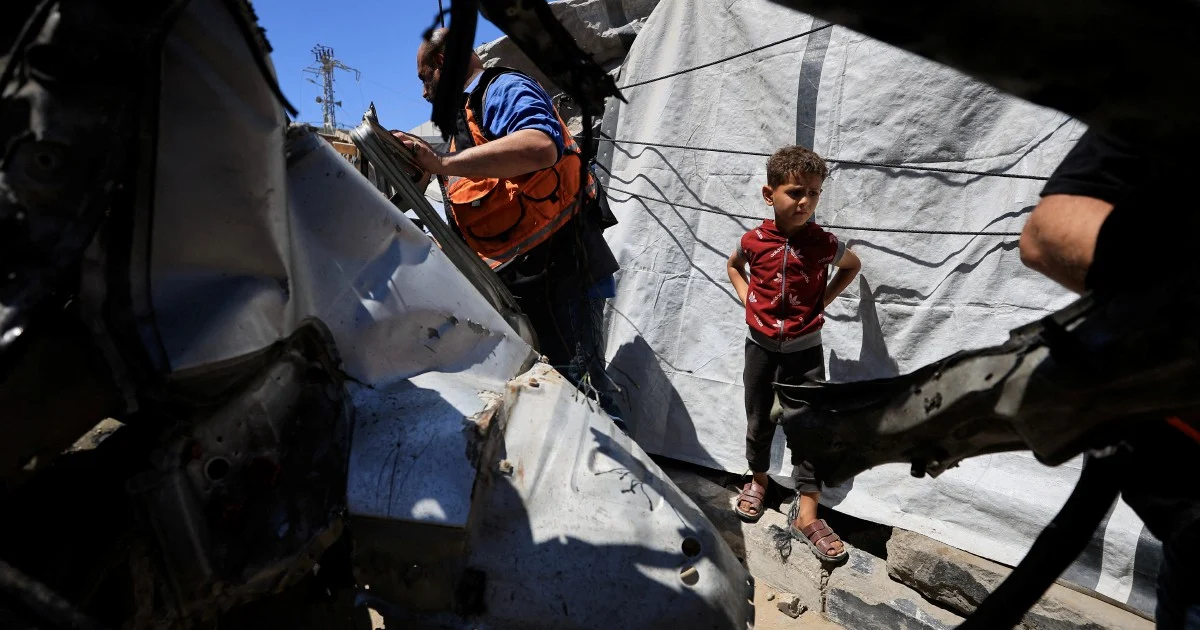
United Nations investigators have levelled grave accusations against Israel, declaring that the deliberate targeting of Palestinian children represents a defining element of what they describe as an ongoing genocide in the Gaza Strip. The findings, released this week from Geneva-based UN bodies, mark an escalation in international scrutiny of Israel's military operations and add significant weight to the chorus of global voices questioning the conduct of the conflict that has dominated Middle Eastern affairs for months.
The UN investigation zeroes in on the systematic nature of child casualties, arguing that the pattern suggests intentionality rather than incidental harm. This distinction matters enormously in international law and human rights discourse. Deliberately targeting children—a civilian population requiring maximum protection under the Geneva Conventions—constitutes one of the gravest war crimes under international criminal law. The investigators present their findings as evidence that such deliberate action forms an integral part of a broader campaign to destroy the Palestinian population in Gaza, which they characterise as meeting the legal definition of genocide.
Israel has rejected these accusations outright, defending its military operations as necessary acts of self-defence following armed attacks and denying any systematic effort to harm children. The government emphasises that it takes precautions to minimise civilian casualties and attributes losses to the tactics of militant groups who operate from civilian areas. This fundamental disagreement between Israeli authorities and UN investigators reflects the deeply polarised international landscape surrounding the Gaza conflict, where competing narratives and interpretations of events shape diplomatic and legal proceedings.
For Malaysian and Southeast Asian observers, the implications extend beyond the immediate parties involved. International humanitarian law and the principles of distinction between combatants and civilians form the bedrock of protection for all nations and their peoples during armed conflict. When major powers or their allies face accusations of violating these core principles, it reverberates through international institutions and shapes how developing nations perceive the global legal order. Malaysia, as a nation with substantial Muslim and Palestinian solidarity constituencies, has consistently advocated for stronger international accountability mechanisms.
The UN's assertions about targeting children deserve scrutiny regarding methodology and evidence. Investigators typically compile accounts from survivors, medical records, satellite imagery, and witness testimony to construct their findings. However, the fog of war—the difficulty in determining intentions amid complex urban warfare, the challenges of forensic analysis, and the potential for misinterpretation—means that conclusions about deliberate targeting require exceptional evidential standards. The gap between what the UN investigators claim and what Israel contends illustrates how interpretations of the same events can diverge dramatically depending on underlying assumptions and access to information.
The historical context of Gaza's civilian casualties in previous conflicts adds weight to ongoing investigations. International monitoring organisations have documented patterns of escalating civilian deaths in successive conflicts, raising questions about whether increased casualties reflect changing military doctrine, deteriorating conditions on the ground, or other factors. These precedents inform current investigations and lend credibility to concerns about protection of the most vulnerable populations, yet they also highlight how previous disputed findings have sometimes been reassessed as more complete information emerged.
The international legal machinery addressing these accusations moves slowly and deliberately. The International Criminal Court, the International Court of Justice, and various UN bodies all have roles to play, but none can act with the speed that affected populations demand. This gap between the urgency of protection needed during active conflict and the deliberate pace of legal processes creates persistent tension in international humanitarian response. For civilians caught in the crossfire—whether Israeli or Palestinian—the question of accountability remains abstract during the immediate crisis of survival.
Malaysia's foreign policy establishment has positioned the nation as a voice for international law and minority protection in global forums. The UN's findings provide ammunition for advocacy efforts, but they also underscore the limits of international pressure when major powers resist external judgment. This reality shapes how developing nations calibrate their diplomatic responses, balancing principled positions with practical concerns about maintaining relationships with more powerful states and avoiding isolation in international debates.
The psychological and social impact of such grave accusations cannot be separated from their legal implications. Whether or not individual Israeli military personnel or political leaders deliberately targeted children, the characterisation itself damages Israel's international standing and hardens positions among those who believe in Palestinian victimisation. Conversely, those who support Israel's right to self-defence view the UN findings as biased, further eroding trust in international institutions that are supposed to adjudicate between conflicting parties with impartiality.
Going forward, the investigation's conclusions will likely feature prominently in diplomatic discussions, United Nations General Assembly debates, and potential referrals to international courts. Whether these mechanisms can produce outcomes that advance accountability while also contributing to eventual peace and reconciliation remains deeply uncertain. For the region and the international community, these investigations represent both a commitment to justice and a potential obstacle to the pragmatic compromises often necessary for conflict resolution.