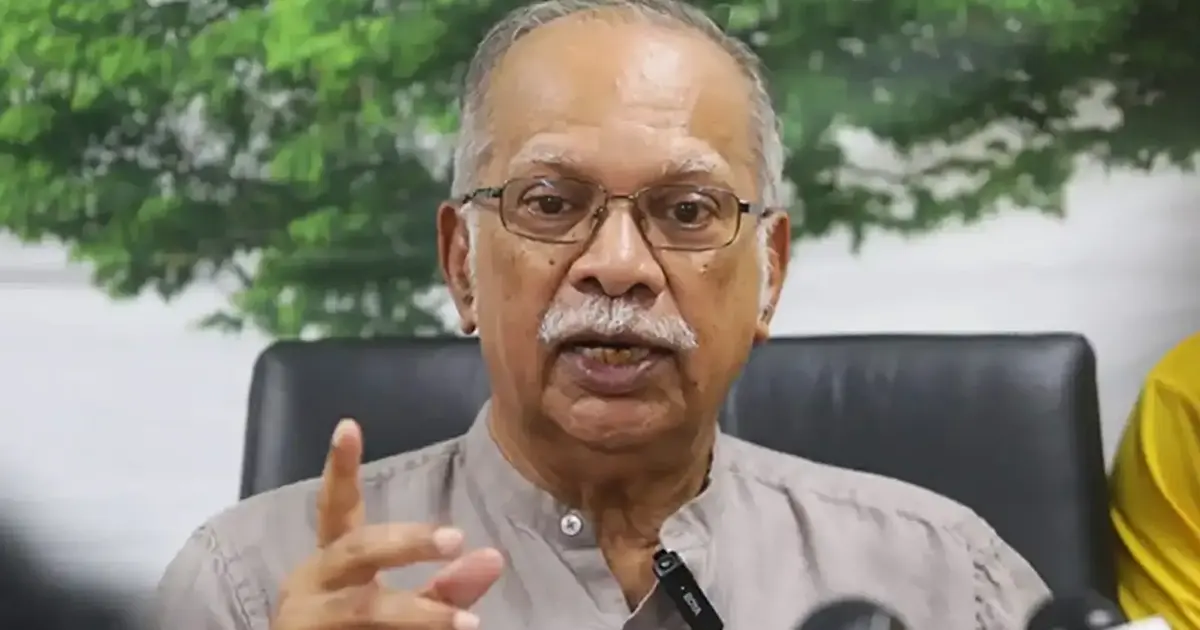
The deepening fractures within Perikatan Nasional remain unhealed, with the coalition's emergency gathering yesterday failing to confront the central fissure driving its internal turmoil, according to Urimai chairman Ramasamy. His assessment points to a troubling pattern within Malaysia's main opposition alliance: a reluctance among senior figures to directly address the deteriorating relationship between its two largest component parties, Bersatu and PAS, which threatens the entire structure's viability heading into crucial political battles.
Ramasamy's criticism zeroes in on what he views as a missed opportunity during the emergency meeting to clarify Bersatu's role and future within PN. The party, which broke away from the Malaysian United Indigenous Party (Umno) after internal power struggles and joined the opposition coalition, has found itself increasingly isolated as PAS consolidates influence within PN's decision-making apparatus. This friction represents more than routine coalition politics; it strikes at fundamental questions about power distribution, policy direction, and which parties will claim leadership credentials should PN achieve electoral success.
The widening rift between Bersatu and PAS reflects competing visions for the coalition's identity and priorities. While Bersatu, led by former premier Mahathir Mohamad, has positioned itself as a progressive, multi-ethnic alternative to the Umno-led government, PAS has increasingly asserted its Islamic-focused agenda and grassroots mobilization capabilities. This ideological tension has manifested in disagreements over candidate selection, policy emphasis, and the distribution of party positions within PN structures. Rather than forge compromise during yesterday's meeting, coalition leaders appeared content to sidestep these incompatibilities.
The failure to address Bersatu's status directly raises questions about PN's internal governance mechanisms and conflict resolution capacity. A coalition's strength rests partly on its ability to negotiate differences transparently and reach binding agreements. When leadership avoids difficult conversations, they typically accumulate into larger problems that undermine cohesion at critical moments. For PN, such delays risk creating resentment and driving wedges deeper between member parties, potentially triggering defections or public confrontations that damage the coalition's electoral appeal.
For Malaysian voters evaluating the opposition's viability as an alternative government, this institutional weakness matters considerably. A coalition that cannot manage internal tensions transparently raises doubts about how it would handle the far more complex challenges of national governance, resource allocation among different constituencies, and policy disputes in parliament and cabinet. The apparent dysfunction within PN's highest councils sends a signal that the coalition may lack the maturity and cohesion necessary to govern effectively should it win power.
Bersatu's position within PN has grown increasingly precarious due to several factors beyond its relationship with PAS. The party faces questions about its actual voting base, organizational capacity, and strategic value to the coalition. Unlike PAS, which commands substantial rural support and a motivated grassroots structure, Bersatu struggles to demonstrate comparable electoral assets. This asymmetry has shifted bargaining power within PN decisively toward PAS, creating an uncomfortable dynamic where Bersatu's voice carries less weight in coalition deliberations. Yesterday's meeting, by not addressing this imbalance directly, essentially confirms PAS's dominance.
The regional implications of PN's instability should not be underestimated. Malaysia's opposition coalition serves as a bellwether for Southeast Asian democratic competition. When major opposition alliances struggle with internal governance, it affects the broader regional discourse about democratic alternation, electoral competition, and how diverse political forces negotiate power-sharing. Malaysia's experience informs political calculations across the region, particularly among parties seeking to build competitive alternatives to incumbent governments.
Ramasamy's intervention as Urimai chairman carries particular weight because his organization functions as an intellectual and research backbone for opposition politics in Malaysia. His public critique signals that thoughtful observers within the opposition ecosystem recognize PN's structural problems and view yesterday's meeting as a failure in strategic leadership. This assessment will likely circulate among senior figures in other opposition parties and among political analysts monitoring the coalition's trajectory.
The practical consequences of leaving Bersatu's status unresolved extend to candidate selection for upcoming elections, parliamentary tactics, and negotiations with other potential coalition partners. Without clarity on Bersatu's role and future, PN cannot effectively coordinate campaign strategies or project unified messaging to voters. The uncertainty also complicates discussions with other parties considering coalition arrangements, as potential partners need assurance about a coalition's internal stability before committing resources and political capital.
Moving forward, PN's leadership faces a choice: initiate frank discussions about restructuring the coalition in ways that accommodate both Bersatu and PAS's interests and capabilities, or risk watching the coalition fragment as frustration accumulates. The difficulty lies in the fundamental incompatibility between the parties' identities and voter bases. A genuine resolution may require creative thinking about rotation arrangements, decision-making structures that guarantee minority protection, or even acknowledging that certain policy areas should fall primarily under one party's purview.
Until PN addresses these foundational questions transparently, the coalition will remain vulnerable to the recurring crises that have plagued it repeatedly over recent years. Ramasamy's criticism reflects a widening recognition among political observers that procedural fixes and emergency meetings alone cannot resolve conflicts rooted in misaligned interests and incompatible visions for Malaysia's political future. The emergency meeting's avoidance of these harder questions suggests PN's troubles are far from over.