High-level peace negotiations between the United States and Iran officially commenced on Sunday morning at the Buergenstock resort in Switzerland, marking the first direct talks at the highest levels of government following a four-month conflict. Vice President JD Vance, accompanied by second lady Usha Vance, arrived at the scenic mountaintop location to lead the American delegation, while Iranian chief negotiator Mohammad Baqer Qalibaf headed Tehran's team. The talks represent a culmination of diplomatic efforts brokered by Pakistan, with both Presidents Donald Trump and Masoud Pezeshkian having signed an interim agreement on Wednesday that aims to bring the prolonged hostilities to a permanent end.
The two delegations agreed to a 60-day ceasefire window specifically designated for these negotiations, demonstrating mutual commitment to pursuing a settlement rather than continued military operations. Both sides have substantial interests at stake in the outcomes, ranging from Iran's nuclear programme to regional security arrangements and the cessation of cross-border military activities. The negotiations themselves are being held at the Qatari-owned Buergenstock resort, which sits atop a Swiss mountain accessible only via a narrow winding road passing through dense forests and multiple armed security checkpoints, reflecting the sensitive nature of these discussions and the security requirements involved.
However, significant tensions emerged even as the talks commenced, particularly surrounding claims about the Strait of Hormuz. Iran's Islamic Revolutionary Guard Corps declared on Saturday that it had closed this critical waterway in response to Israeli military strikes against targets in Lebanon, framing the action as retaliation for what it characterized as violations of the ceasefire agreement. The Strait of Hormuz carries approximately one-fifth of global crude oil supplies, making any disruption to shipping through this passage a matter of worldwide economic concern. The United States military contested Iran's assertion, noting that commercial vessels continued to transit the strait normally, with data showing 55 merchant ships passing through on the day the closure was announced, collectively transporting more than 17 million barrels of oil destined for international markets.
The Lebanon ceasefire itself has proven fragile despite being formally enacted, undermining the stability necessary for the broader negotiations to succeed. Israeli forces and Hezbollah, the Iranian-backed militant organisation, exchanged fire on Saturday, hours after the ceasefire was supposed to take effect. Lebanese civil defence officials reported that Israeli strikes had killed 20 individuals on that single day alone, contradicting the premise that hostilities had ceased. Israel characterised these military operations as necessary responses to Hezbollah attacks, while Hezbollah declared it would not permit Israel "freedom of movement" within Lebanese territory. This ongoing violence complicated the negotiating environment in Buergenstock, as the Iran-US talks specifically included Lebanon ceasefire arrangements as a foundational element alongside nuclear issues and other security concerns.
Israel's complicated position vis-à-vis the peace agreement adds another layer of complexity to the negotiations. The Israeli government has explicitly stated it is not a signatory to the Iran-US accord and intends to maintain military forces within Lebanese territory it currently occupies. Israeli military statements expressed commitment to the ceasefire framework while simultaneously reserving the right to respond to any perceived threats. However, Israeli leadership reportedly instructed military commanders to refrain from firing into Lebanon whilst maintaining their territorial positions. This posture—ceasing offensive operations whilst refusing to withdraw—potentially frustrates broader ceasefire objectives and suggests that full implementation of the peace agreement remains uncertain.
Public opinion within Israel reflects deep scepticism about whether Israeli interests have been adequately served by the military campaign. A Hebrew University poll showed that approximately 92 percent of Israelis believe Iran benefited more substantially from the joint Israeli-US military operations than Israel itself, with only 8 percent viewing Israel as the victor. Similarly, nearly 90 percent of Israeli respondents stated that the original war objectives remain unmet, and fewer than 30 percent accept Prime Minister Benjamin Netanyahu's claims regarding major military achievements. These findings suggest significant domestic political pressure on the Israeli government and potential friction in the alliance with the United States regarding the terms and outcomes of the conflict.
Casualty figures from the Lebanon conflict underscore the human toll of the four-month war. Lebanon's ministry of health reports that Israeli operations have resulted in 4,057 deaths since March 2, including medics, women, and children, though this figure does not differentiate between combatants and non-combatants. Israeli authorities acknowledge that at least 32 soldiers and four civilians have been killed in fighting with Hezbollah. These disparities in casualty numbers reflect the asymmetric nature of the conflict and raise questions about proportionality that will likely influence post-war accountability discussions and regional perceptions of the conflict's legitimacy.
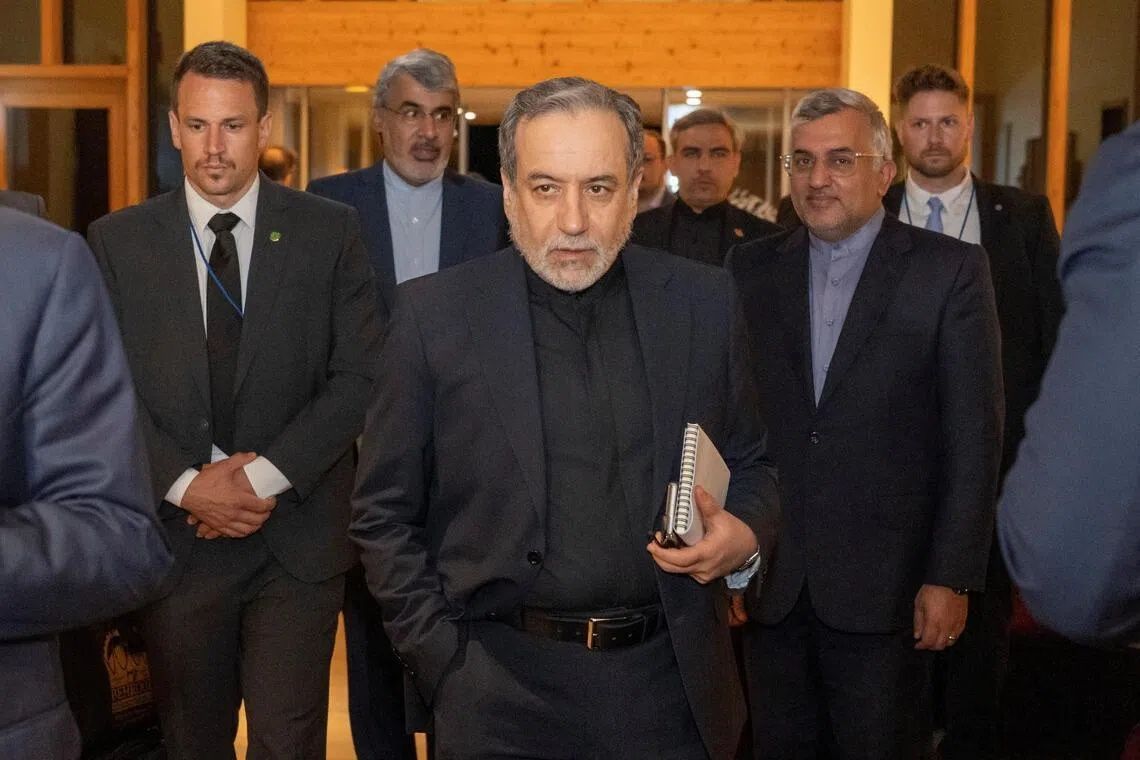
The American negotiating team includes Vice President Vance, envoys Steve Witkoff and Jared Kushner (Trump's son-in-law), and other senior officials coordinating economic and security aspects of a potential settlement. The Iranian delegation comprises Foreign Minister Abbas Araqchi alongside senior officials from the security establishment, central bank, and energy ministry, signalling Tehran's intent to address petroleum exports and international financial arrangements as part of the agreement. Pakistan's Prime Minister Shehbaz Sharif and Field Marshal Syed Asim Munir have also arrived at the resort, underscoring Pakistan's mediating role throughout these negotiations and its continued interest in regional stability.
Disputes have already emerged regarding implementation of the agreement's 14 points, which collectively address ceasefire conditions across all fronts and normalisation measures. Mohammad Mokhber, an adviser to Iran's supreme leader Ayatollah Mojtaba Khamenei, accused the United States of failing to fulfill the initial commitment to a comprehensive ceasefire, contending that ongoing Israeli operations in Lebanon constitute a breach. Mokhber warned that as long as the agreement remained "only on paper," Middle Eastern energy supplies would remain disrupted. This signalling suggests Iran will condition the resumption of oil exports on verifiable American enforcement of ceasefire provisions against Israel, using energy supply as leverage to ensure compliance.
Conversely, Iranian Oil Minister Mohsen Paknejad offered a more optimistic framing, suggesting that hundreds of investment opportunities and commercial contracts remain available if Western nations demonstrate genuine commitment to the accord's underlying principles. This dual messaging reflects internal Iranian calculations about balancing firmness regarding ceasefire violations against incentives for Western economic re-engagement. The potential for rapid economic re-integration, particularly in energy markets where Iran possesses significant untapped production capacity, represents a tangible benefit that could motivate both Iranian flexibility and Western pressure on Israel to strictly adhere to ceasefire terms.
President Trump has explicitly addressed the question of Hormuz passage, declaring that the United States will not impose tolls on shipping through the strait during the 60-day negotiating period or afterwards, unless the US itself determines that such charges are warranted. However, Trump also referenced the possibility of American-imposed tolls "for services rendered as the Guardian Angel to the countries of the Middle East" if the peace agreement ultimately fails. This formulation suggests that continued American military presence guaranteeing regional security carries an implicit cost, and that failure to achieve lasting peace might necessitate compensation mechanisms. The statement signals to Iran that the alternative to successful negotiation includes American constraints on Iranian interests, potentially influencing Tehran's negotiating posture.
Vice President Vance expressed confidence before departing Washington that the ceasefire would endure, stating he anticipated productive discussions lasting "a couple of days" on nuclear issues and Lebanon ceasefire implementation. Vance also stated he had observed no evidence supporting Iran's claims regarding Hormuz closure. This optimism contrasts sharply with the tensions and contradictions evident on the ground, where Israeli operations continued, Iran maintained its shipping restrictions claim, and ceasefire violations escalated. The coming weeks will reveal whether the negotiators in Buergenstock can bridge these fundamental disagreements or whether the underlying military and political conflicts will ultimately overwhelm diplomatic efforts. For Malaysia and Southeast Asian nations dependent on stable Middle Eastern energy supplies and regional security, the outcomes of these negotiations carry substantial implications for petroleum markets, shipping costs, and broader regional stability.