Malaysia's federal territories have launched an ambitious educational support scheme designed to level the playing field for secondary school students preparing for their Sijil Pelajaran Malaysia examinations. The Better SPM Brighter Future Programme is providing complimentary tuition to 1,600 SPM candidates studying across 40 secondary schools throughout Kuala Lumpur, marking a significant effort to reduce educational inequality in the capital city.
The initiative addresses a persistent challenge in Malaysia's education landscape: the growing reliance on private tuition to supplement schooling, which places considerable financial pressure on middle and lower-income families. By offering free classes at no cost to students or parents, the programme seeks to ensure that economic circumstances do not determine academic preparedness or examination success. This approach recognises that many families struggle with the cumulative expenses of private tuition fees, transport costs, and learning materials, particularly during critical examination periods.
Hannah Yeoh, the Minister in the Prime Minister's Department (Federal Territories) and chairman of Yayasan Wilayah Persekutuan, emphasised that the programme removes financial barriers to quality academic support. Speaking at the official launch held at Sekolah Seni Malaysia Kuala Lumpur, she underscored the importance of allowing students to focus entirely on their preparation without their families worrying about mounting tuition costs. The partnership between YWP and the Kuala Lumpur Federal Territories Education Department demonstrates coordinated governmental effort to enhance student outcomes in the federal territory.
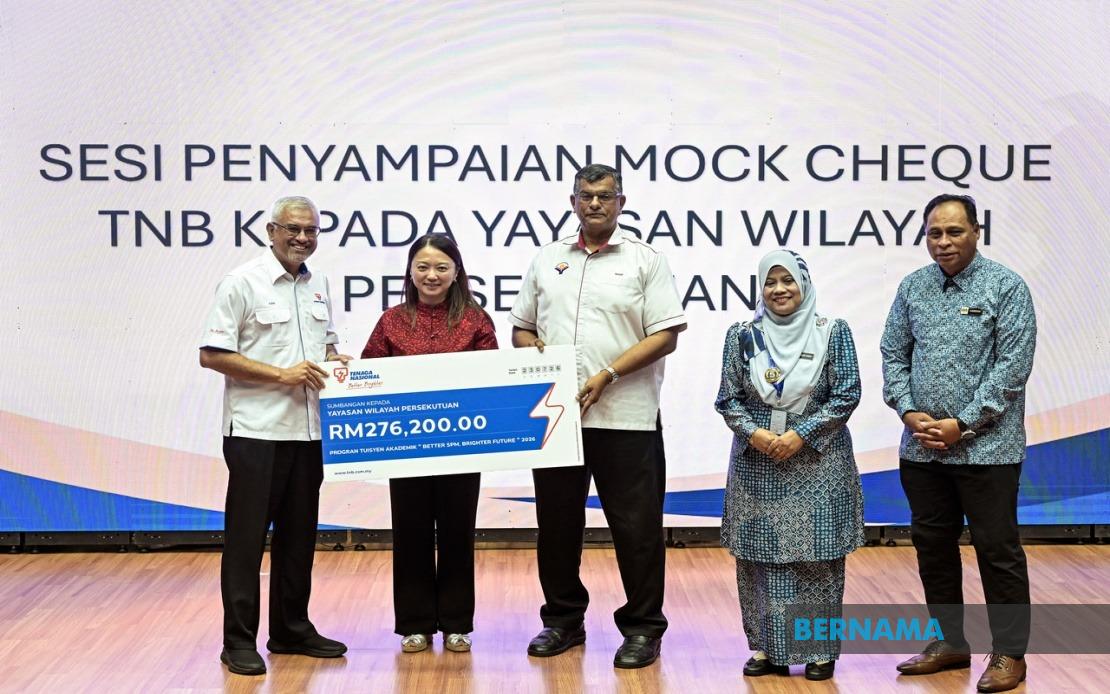
Corporate investment has been instrumental in making this programme viable. Tenaga Nasional Berhad, Malaysia's largest power utility company, contributed RM276,200 to fund the initiative through YWP. This corporate commitment highlights the role that major Malaysian enterprises can play in education support, particularly when aligned with broader social responsibility objectives. The contribution ensures the programme can maintain consistent delivery across all participating schools without compromising quality or scope.
The curriculum structure focuses specifically on four subjects that represent critical pillars of the SPM examination framework. Bahasa Melayu, English, History, and Mathematics have been identified as priority areas requiring intensive support. These subjects collectively determine academic progression opportunities and university entrance prospects, making targeted instruction in these areas particularly valuable. The selection reflects evidence-based understanding of where students typically encounter challenges and where additional guidance yields measurable improvements in examination performance.
For Malaysian families and students in Kuala Lumpur, this programme carries practical significance beyond simple cost savings. The elimination of tuition fees removes a major household expense during the demanding months leading up to SPM examinations. This is particularly meaningful for families where multiple children may be preparing for major examinations simultaneously. Furthermore, the programme potentially reduces stress associated with academic preparation, as students can access professional instruction without their families incurring debt or making difficult financial sacrifices.
The broader implications extend to educational equity across Kuala Lumpur. By providing free tuition to students from diverse socioeconomic backgrounds, the programme works to narrow achievement gaps that often correlate with family income levels. Students from schools in less affluent areas gain equivalent access to quality teaching resources as their peers in more privileged communities, creating more level ground for examination success. This approach acknowledges that talent and potential are distributed equally across all socioeconomic groups, but opportunity remains unevenly distributed.
The involvement of the Federal Territories Education Department signals integration with the formal education system rather than positioning this as a parallel or remedial effort. This alignment ensures the tuition programme complements classroom instruction and aligns with official SPM curriculum standards and examination requirements. Teachers and tutors can coordinate their approaches, creating coherent learning experiences rather than fragmented instruction from multiple sources using different methodologies.
Yeoh also addressed broader social responsibilities during the launch, noting the importance of civic mindfulness and public cleanliness, referencing recent events at Dataran Merdeka. She emphasised that responsibility for maintaining public spaces extends to all citizens and should not be delegated solely to cleaning staff. This dual message from Yeoh—combining investment in student futures with calls for communal responsibility—reflects a comprehensive approach to nation-building that encompasses both educational advancement and social responsibility.
For Southeast Asian policymakers observing Malaysia's approach, this programme offers a template for leveraging corporate partnerships to expand educational access. The combination of government initiative, corporate funding, and institutional coordination demonstrates how multiple stakeholders can align resources toward concrete educational outcomes. As regional economies grapple with ensuring equitable access to quality education, Malaysia's experience with structured, corporate-supported tuition programmes may provide valuable lessons for neighbouring countries considering similar interventions.
The success metrics for the Better SPM Brighter Future Programme will likely extend beyond immediate examination scores to encompass broader educational confidence and student wellbeing. When students receive consistent, professional academic support without financial anxiety, their psychological readiness for major examinations often improves alongside their subject mastery. The programme thus aims to produce not merely higher examination scores, but more confident, better-prepared cohorts of young Malaysians entering tertiary education and employment.

