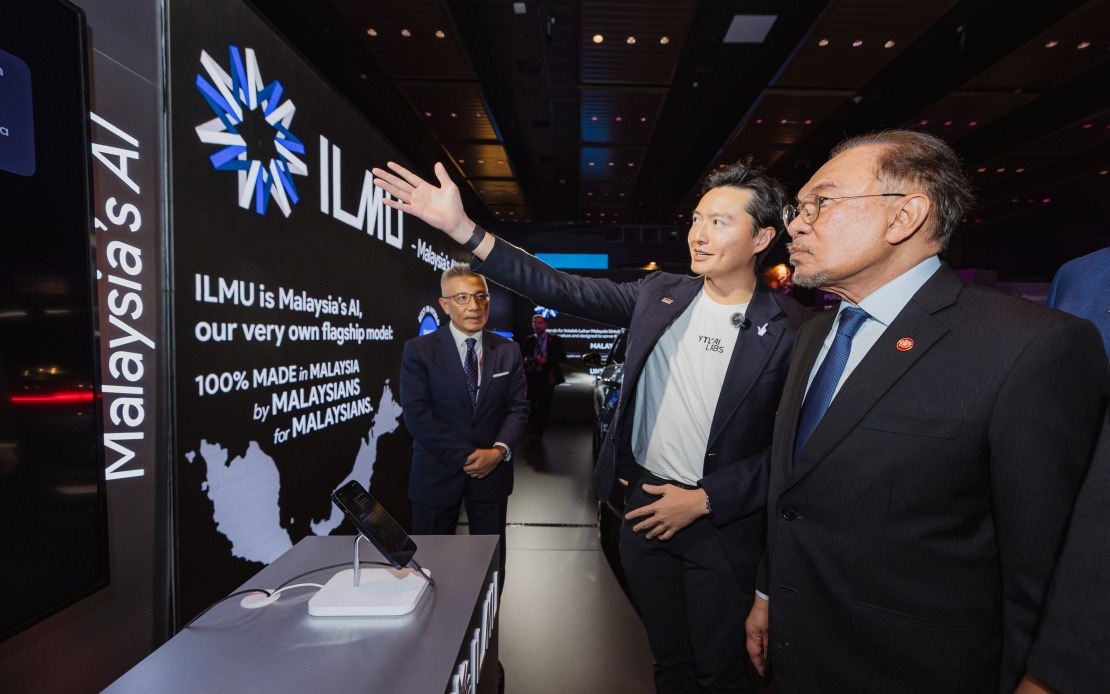
The Ministry of Digital has rolled out a significant initiative to democratise artificial intelligence access among Malaysia's younger population, launching a free three-month subscription to ILMUchat Pro for up to 100,000 citizens between 18 and 30 years old, effective immediately as part of Malaysia's 69th Independence Day celebrations. This effort represents a strategic component of the broader AI Untuk Rakyat programme, unveiled by Prime Minister Datuk Seri Anwar Ibrahim in July during the AI Malaysia launch event in Cyberjaya, which also introduced the National AI Action Plan 2026-2030.
The partnership bringing this initiative to fruition involves three primary stakeholders: YTL AI Labs, which developed the ILMUchat Pro platform; the Ministry of Digital, which conceived and championed the policy framework; and MyDIGITAL Corporation, which manages the Rakyat Digital distribution channel. This collaborative structure reflects a broader governmental commitment to positioning Malaysia as a regional leader in artificial intelligence development and adoption, moving beyond merely consuming foreign technology toward building domestically relevant solutions.
ILMUchat Pro distinguishes itself from generic international AI assistants by engineering its functionality around how Malaysians actually communicate and conduct business. Rather than forcing users into English-only interactions, the platform seamlessly accommodates Bahasa Malaysia, English, Mandarin Chinese, and Manglish—the colloquial hybrid language prevalent in Malaysian workplaces and households. This linguistic flexibility addresses a genuine gap in global AI tools, which typically prioritise English speakers and marginalise multilingual users in developing markets.
The practical applications available through ILMUchat Pro span personal, educational, and professional domains. Users can leverage the assistant for composing formal correspondence, locating local services and businesses, designing visual materials and promotional graphics, constructing presentation slides, and even prototyping functional applications without requiring coding expertise. For Malaysian-specific use cases, the platform handles enquiries regarding PTPTN student loan repayments, Small and Medium Enterprise grant applications, and job search strategies—domains where local knowledge proves invaluable.
Access to the three-month promotional offer requires prospective users to complete designated artificial intelligence literacy modules available on the Rakyat Digital platform before redemption. This prerequisite reflects an intentional educational component embedded within the initiative, ensuring that beneficiaries gain foundational knowledge about AI capabilities and limitations rather than simply receiving passive access to tools. The subscription tier being offered—ILMUchat Pro—normally carries a monthly charge of RM50, making this subsidy valued at RM150 per participant if fully utilised.
YTL AI Labs Chief Executive Officer Foong Chee Mun positioned the company's participation as alignment with governmental ambitions to transform Malaysia into an artificial intelligence powerhouse. His statement emphasised not merely enabling young Malaysians to utilise existing AI tools, but rather cultivating a generation capable of building and innovating within the field themselves. This framing reflects recognition that sustainable technological advancement requires cultivating domestic talent and intellectual capacity, not perpetual reliance on imported solutions.
From a regional perspective, Malaysia's approach contrasts with some competing narratives in Southeast Asia regarding technology access and digital sovereignty. Rather than protectionist policies restricting foreign AI systems, this strategy combines free access to technology with foundational education and domestic innovation. The emphasis on locally developed tools that accommodate regional languages and business practices suggests a model where developing economies might leapfrog traditional tech development pathways by building purpose-built solutions addressing specific market needs overlooked by multinational corporations.
The demographic targeting of young Malaysians aged 18 to 30 appears strategically calibrated to influence the formative professional years of this cohort. Exposure to sophisticated AI tools during early career stages can shape productivity patterns, professional expectations, and technological literacy throughout working lifespans. For university students, the timing aligns with conclusion of tertiary education and transition into employment, positioning them to immediately apply these skills in workplace contexts.
Claiming the promotional offer involves straightforward digital processes: eligible Malaysians access the Rakyat Digital platform, complete required AI modules, select ILMUchat Pro from their personalised dashboard, and authenticate using MyDigital ID credentials to activate three-month access. This streamlined redemption pathway removes friction that might otherwise prevent takeup among less digitally experienced participants, though the prerequisite course completion may present barriers for some.
The broader context surrounding this announcement reflects Malaysia's deliberate positioning within global artificial intelligence competition. As nations worldwide race to develop domestic AI capabilities and secure advantages in emerging technology sectors, Malaysia's focus on building locally relevant tools while building skilled human capital represents pragmatic acknowledgment that sustainable advantage requires more than importing finished products. The ILMUchat Pro programme simultaneously addresses immediate user needs while investing in the talent pipeline that will determine Malaysia's long-term technological autonomy and competitiveness.

