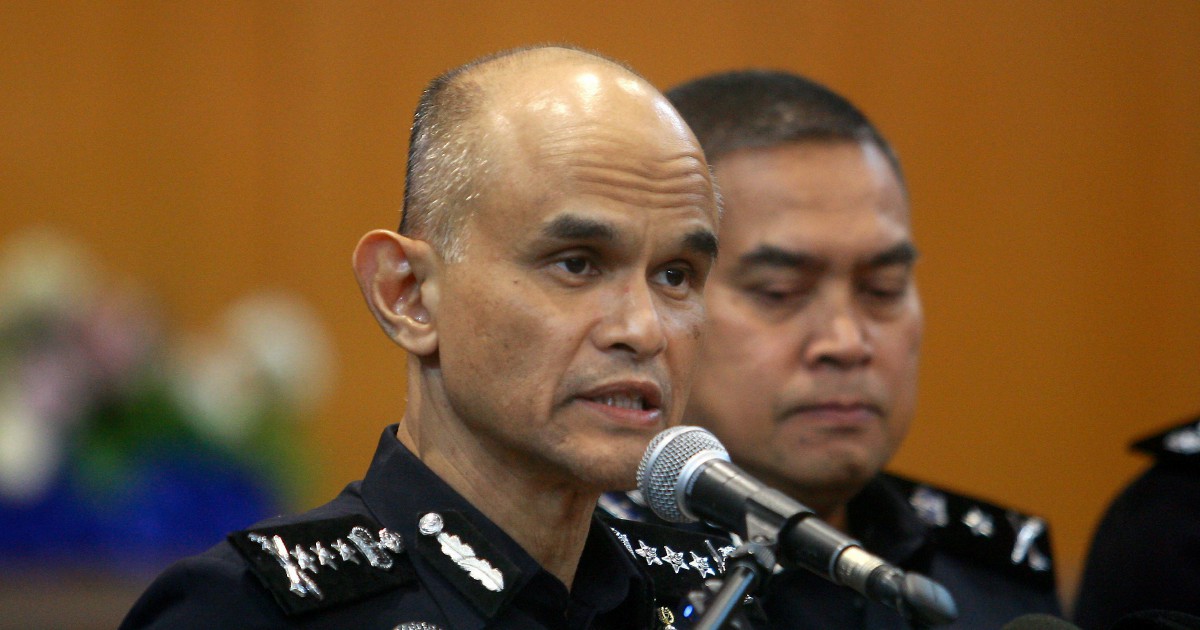
Eleven individuals suspected of involvement in organised criminal gangs have been taken into custody by authorities in Shah Alam following a fatal group altercation that erupted in Taman Alam Megah on August 25. The arrests represent a significant enforcement response to rising concerns about secret society violence in the Selangor state capital, where territorial disputes between rival factions have increasingly threatened public safety.
The incident that prompted the investigation occurred when members of two competing organised crime groups clashed in what authorities characterise as a territory-related confrontation. During the violent encounter, one man was fatally wounded, prompting an intensive police investigation that has now yielded multiple arrests. Law enforcement officials have indicated that the detainees are believed to have direct or indirect involvement in either planning, participating in, or supporting the violent incident.
Secretive gang organisations, collectively referred to as secret societies or organised crime syndicates, have long posed challenges for Malaysian police forces. These groups often maintain complex internal hierarchies and engage in territorial disputes over business operations, protection rackets, and control of specific residential or commercial zones. The fatal clash in Taman Alam Megah reflects a pattern whereby gang violence frequently erupts in suburban residential areas, jeopardising innocent residents who become inadvertent witnesses or victims of such conflicts.
The location of the incident—Taman Alam Megah—sits within the broader Shah Alam metropolitan area, a region experiencing rapid population growth and urbanisation. Such expanding residential zones sometimes become contested spaces where rival organisations compete for influence and control. The concentration of gang activity in such areas has prompted community concerns about declining safety standards and the adequacy of police presence in residential neighbourhoods.
Malaysian law enforcement has intensified operations against organised crime in recent years, recognising that gang violence poses direct threats to public order and citizen security. The swift arrest of eleven suspects following the Taman Alam Megah incident demonstrates police commitment to disrupting criminal networks and preventing escalation of gang conflicts. Such enforcement actions serve dual purposes: removing dangerous individuals from the streets temporarily and gathering intelligence about organisational structures and relationships between rival groups.
The death resulting from the August 25 clash marks another casualty in what appears to be a persistent cycle of gang-related fatalities across Malaysian urban centres. Each such incident raises questions about prevention strategies, intelligence gathering capabilities, and whether police resources are distributed effectively across regions experiencing higher concentrations of organised crime activity. Families and communities affected by such violence increasingly demand more proactive intervention before confrontations turn deadly.
Investigators will likely employ multiple approaches to build cases against the arrested individuals. Evidence gathered at the scene, witness testimonies, and coordination with hospital personnel regarding the victim's injuries all contribute to establishing facts about what occurred. Additionally, police may examine mobile phone records, surveillance footage from nearby businesses, and prior intelligence files to determine specific roles played by individual suspects within their respective organisations.
The detention of eleven suspects may also facilitate broader strategic advantages for law enforcement. Interrogations can yield information about gang structures, planned activities, supply chains for weapons or contraband, and individuals occupying leadership positions. Such intelligence assists authorities in disrupting criminal operations beyond the immediate incident and can contribute to longer-term strategies for dismantling organised crime networks operating across Selangor.
Secure custody of these suspects provides opportunity for the investigation to progress methodically. Prosecutors will evaluate evidence quality and legal viability of charges, ranging from potentially murder or culpable homicide for those directly involved in fatal injuries, to rioting and affray charges for participants in the group conflict. Conspiracy charges may also apply to individuals whose role was primarily organisational or planning-related rather than physically present at the scene.
The Taman Alam Megah incident underscores broader societal concerns about secret society recruitment and radicalisation of young men into criminal organisations. Throughout Malaysia, gang membership often emerges from complex socioeconomic factors including limited employment prospects, social disconnection, and neighbourhood conditions where criminal networks actively recruit members. Addressing gang violence comprehensively requires not merely enforcement responses but investment in community programmes, youth engagement initiatives, and economic opportunities that reduce appeal of gang life.
Community members in Shah Alam and surrounding areas have expressed anxiety about potential retaliation following the arrests. Historical patterns suggest that removal of gang members may temporarily destabilise established hierarchies, sometimes triggering secondary violence as organisations reorganise or rival factions attempt to consolidate gains. Police presence and monitoring in Taman Alam Megah and adjacent residential zones will likely be elevated during coming weeks as authorities assess retaliation risks.
The investigation continuing from the August 25 incident demonstrates that Malaysian law enforcement treats gang homicides with appropriate seriousness. Constructing viable prosecutorial cases requires careful evidence preservation, witness protection where necessary, and coordination between various police units. Families of the deceased victim now await justice, while communities hope that police action will contribute to genuine improvements in public safety rather than merely cycling suspects through the criminal justice system temporarily.

