Repatriation efforts have concluded for the 15 Indian tourists who perished when their speedboat overturned in waters near Vietnam's southern coast last Saturday. The bodies were transported by aircraft from Ho Chi Minh City to Mumbai on Monday, with Indian diplomatic officials coordinating subsequent transfers to the victims' home states. The majority of those who lost their lives were residents of Tamil Nadu, while smaller numbers hailed from Andhra Pradesh and Kerala, reflecting the geographical spread of the casualties across India's southern peninsula.
The tragedy unfolded when a speedboat carrying 32 Indian visitors and four Vietnamese crew members encountered severe weather conditions shortly after departing from Hon May Rut Ngoai island. The vessel was operating near Phu Quoc, Vietnam's largest island and a major tourism hub celebrated for its pristine coastline. According to official accounts, the boat capsized in the early afternoon when it encountered unexpectedly treacherous sea conditions, transforming what had been planned as a recreational excursion into a catastrophic disaster within minutes.
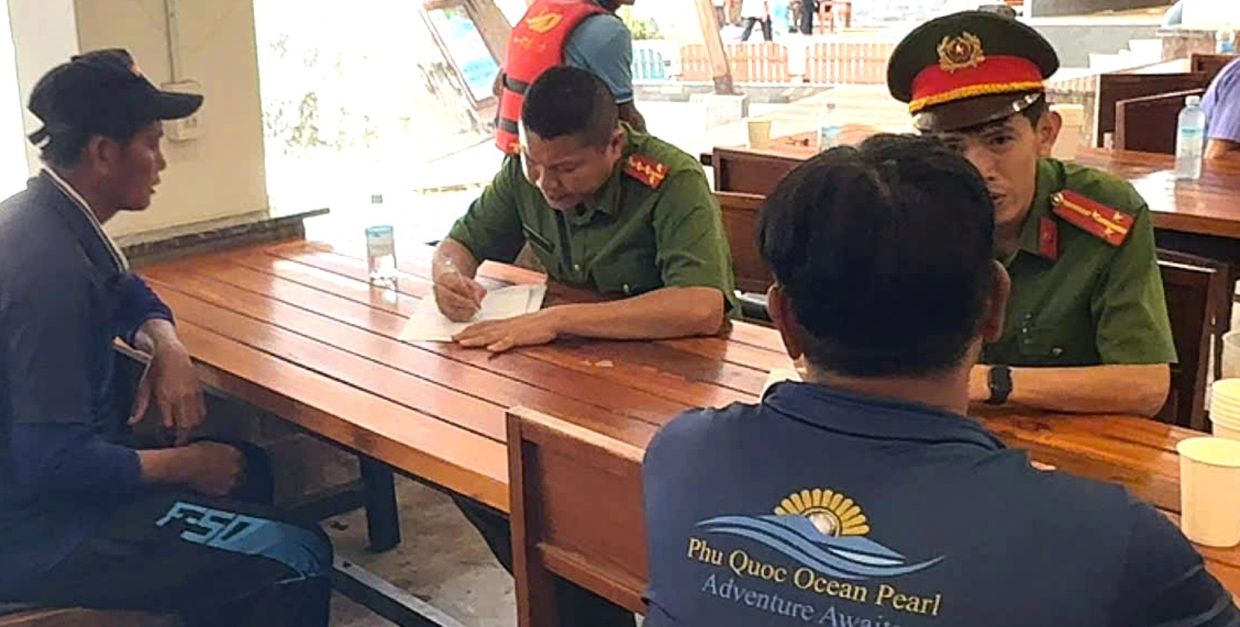
The speedboat's captain, Nguyen Hong Hai, aged 57, is now under official scrutiny as authorities investigate potential breaches of maritime safety protocols. State media reports indicate the investigation centres on whether adequate safety procedures and regulations governing waterway transport were properly observed before and during the voyage. This element of the inquiry has drawn broader attention to operational standards across Vietnam's recreational boating industry, particularly given the nation's expanding tourism sector and increasing international visitor numbers.
The commercial context adds another dimension to understanding the incident. Lava International, a smartphone and consumer electronics manufacturer headquartered in Uttar Pradesh, had organized the outing for its employees, distributors, and retail partners. Such corporate excursions have become increasingly common as businesses in India's technology and consumer goods sectors expand their employee engagement and stakeholder relation activities. The tragedy has raised questions about duty-of-care obligations when companies arrange leisure activities for their personnel in international destinations.
Survivors' accounts paint a harrowing picture of the moments leading to the capsizing. Nirmal Kumar, a 44-year-old businessman among those rescued, described how a summer storm rapidly intensified conditions at sea. A powerful wave struck the vessel with such force that it triggered immediate panic among passengers who had moments earlier been enjoying what they believed would be a straightforward pleasure cruise. Kumar recounted how the boat began rocking violently as water conditions worsened, with the vessel becoming increasingly unmanageable for its crew.
The panic and disorientation that followed proved as dangerous as the physical forces at work. Kumar explained how terrified passengers surged across the boat's deck, seeking safety but inadvertently creating further instability. Within moments, people began jumping overboard into the turbulent waters. Kumar himself made the same desperate decision, plunging into the sea as the vessel continued to deteriorate around him. Rescue teams demonstrated rapid response capabilities, arriving within five minutes of the emergency alert and extracting survivors from the water with apparent efficiency.
The psychological impact on survivors extends beyond physical injuries. Kumar, who lost a childhood friend in the disaster, described himself as deeply traumatized by the experience. His friend, who had joined the corporate trip in anticipation of creating lasting holiday memories, instead became one of the fatalities. Kumar's inability to process his friend's death reflects the emotional toll such disasters inflict on those who survive, particularly when they witness the deaths of people close to them. These psychological dimensions of maritime accidents often receive less attention than the immediate tragedy but represent profound ongoing consequences for survivors.
Medical teams faced challenging cases among those hospitalized following the incident. Sixteen survivors were released from hospitals and have returned to India, but one individual remained in critical condition requiring transfer to Cho Ray Hospital, one of Vietnam's leading public medical facilities. The 49-year-old patient suffered severe pulmonary damage from near-drowning, compounded by shock, multiple traumatic injuries, and intracranial bleeding. Intensive care specialists noted that while the patient's blood pressure and oxygen saturation levels showed improvement under treatment, his condition underscored the life-threatening injuries that can result from marine disasters involving prolonged water immersion.
The geographical location of the incident holds significance for understanding broader tourism dynamics in Southeast Asia. Phu Quoc's reputation for white sandy beaches and crystalline waters makes it one of Vietnam's premier coastal destinations, attracting millions of visitors annually from within the country and internationally. The region sits approximately ten kilometres south of the main island, in waters that typically experience calm conditions suitable for recreational boating. The appearance of sudden severe weather conditions raises questions about meteorological forecasting capabilities and whether boat operators had adequate warning systems before departing.
India represents one of Vietnam's fastest-growing international tourism markets, reflecting expanding middle-class travel from the subcontinent and increasing commercial ties between the two nations. Annual visitor numbers have climbed substantially over recent years as flight connectivity improves and Vietnamese tourism infrastructure develops. The incident, while tragic, may have lasting implications for how travel companies evaluate risk assessment and safety protocols when organizing excursions in foreign maritime environments. Insurance and liability questions will likely emerge as investigations conclude and families pursue legal remedies.
The broader context suggests that while Vietnam welcomes international visitors and benefits economically from tourism expansion, ensuring adequate safety standards across all recreational sectors remains an ongoing challenge. This incident will likely prompt reviews of speedboat operation licensing, crew training requirements, and mandatory safety equipment standards. Regional tourism boards across Southeast Asia may similarly reassess their oversight mechanisms, particularly for maritime activities that involve large groups of international visitors unfamiliar with local conditions. The tragedy serves as a sobering reminder that recreational excursions, however well-intentioned, carry inherent risks that demand rigorous safety protocols and proper regulatory enforcement.

