The Ministry of Higher Education's MARA organisation is deploying 16 Malaysian Armed Forces veterans into warden positions across eight junior science colleges beginning Wednesday, July 1, representing a significant expansion of efforts to enhance student conduct and campus safety. The initiative builds on a pilot programme that commenced in October last year at two institutions, introducing a structured approach to residential management within Malaysia's premier boarding school network for gifted students.
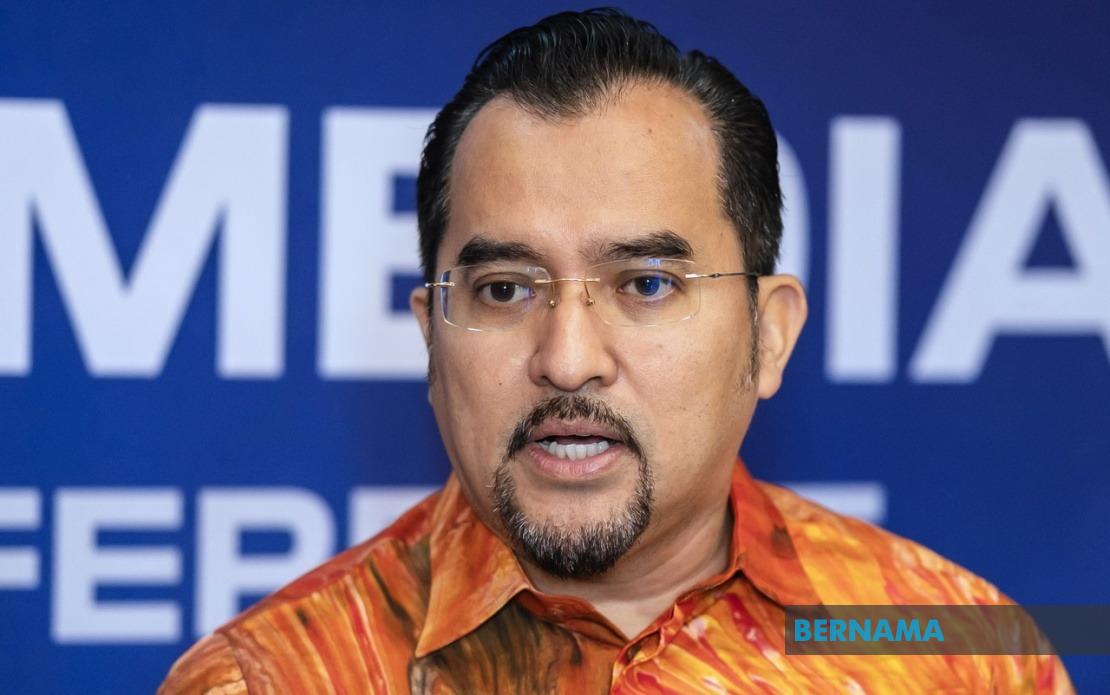
DATUK Dr Asyraf Wajdi Dusuki, the chairman overseeing MARA's strategic direction, outlined how the appointments directly address longstanding institutional concerns, particularly regarding student discipline and the prevention of bullying within college dormitories. The recruitment of retired military personnel specifically targets the gap in residential supervision, with the structured approach reflecting broader government initiatives to strengthen pastoral care in educational settings. Each of the eight participating colleges will eventually host four wardens—two male and two female—creating a more balanced supervisory environment than previously existed.
The present expansion represents merely the second wave of a carefully sequenced rollout. The initial pilot at MRSM Besut and MRSM Balik Pulau eighteen months ago provided valuable operational data and institutional learning that informed the current recruitment protocols. Male wardens in this phase number 16, commencing duties on the advertised date, while the female recruitment stream remains in advanced selection stages. The female candidate pool generated substantial interest, with 162 applications received, demonstrating considerable appeal of the programme among eligible women within the military veteran community.
Female applicant screening has progressed through systematic evaluation, with online assessments completed on June 25 and face-to-face interviews scheduled for July 2. Datuk Dr Asyraf emphasised that female warden appointments will follow the identical stringent vetting procedures applied to male candidates, with timelines dependent on successful completion of all assessment phases. This commitment to parallel standards reflects institutional determination to ensure gender-balanced leadership without compromising safety protocols.
The recruitment architecture involves multiple stakeholder organisations coordinating selection processes with unprecedented rigour. Glokal Link Sdn Bhd, a MARA subsidiary entity, jointly manages proceedings alongside MARA's secondary education division, the Veterans Affairs Department, TalentCorp Malaysia, and military psychological specialists. This collaborative framework ensures comprehensive evaluation across technical competencies and psychological suitability for residential student engagement. Physical interviews conducted on June 15 and 16 at the MARA Higher Skills Institute in Kepong attracted 147 candidates, predominantly male applicants who had navigated preliminary screening hurdles.
Candidate eligibility requirements establish strict parameters beyond mere military service history. Recognised status as an Armed Forces veteran requires honourable service completion and absence of misconduct-related discharge, serious disciplinary infractions, or legal violations compromising veteran credentials. The Veterans Affairs Department conducts preliminary vetting to confirm eligibility status before candidates proceed to comprehensive assessment batteries. This gatekeeping mechanism protects institutional reputation and safeguards student welfare by excluding individuals with problematic service records.
The psychological evaluation apparatus represents the programme's most distinctive element, reflecting heightened contemporary awareness regarding residential duty risks. Candidates undergo multiple psychometric instruments including the MyNext OCEAN personality assessment and RIASEC vocational inventories, supplemented by military psychological evaluations and general mental health screening. Physical fitness requirements incorporate body mass index assessments and bleep fitness testing, ensuring wardens possess appropriate physical capability for demanding residential duties. Panel interviews involving representatives from multiple agencies provide structured evaluation opportunities.
Before finalisation, shortlisted candidates face psychological and biofeedback assessments administered by Malaysian Armed Forces counselling specialists. These evaluations specifically focus on child protection competencies, sexual misconduct risk identification, impulse control capacity, appropriate boundary maintenance between wardens and students, and overall psychological suitability for MRSM hostel environments. Royal Malaysia Police conduct criminal record verification and screening against child sexual offender registries, establishing comprehensive background clearance before any appointment confirmation occurs.
Datuk Dr Asyraf stated unambiguously that no offer letters will be issued until all critical screening completion and final psychological assessment confirms candidate suitability. This inflexible position reflects institutional commitment to preventing appointment of individuals lacking demonstrated integrity, appropriate behavioural profiles, or genuine qualification for student care responsibilities. The comprehensive approach acknowledges public expectations and parental concerns regarding residential staff trustworthiness and competency.
The expansion timeline projects significant institutional transformation across Malaysia's MRSM network. The third recruitment phase commences on January 1, 2027, with plans ultimately extending the warden programme across all 58 MARA Junior Science Colleges nationwide. This staged implementation allows systematic quality maintenance and learning integration from earlier phases into subsequent recruitment cohorts, ensuring programme consistency and effectiveness across the expanded geographical footprint.
The initiative addresses a persistent structural vulnerability within Malaysia's residential education system, where boarding arrangements historically relied on limited supervisory capacity. By leveraging the disciplined backgrounds and institutional experience of military veterans, MARA positions wardens as experienced figures capable of managing complex residential dynamics. The programme simultaneously creates meaningful employment opportunities for veteran populations, aligning social policy with educational improvement objectives. For Malaysian families selecting premier boarding institutions for their children, the enhanced supervisory presence and rigorous vetting protocols represent tangible advances in pastoral care standards, potentially establishing benchmarks influencing other residential education providers across the Southeast Asian region.

