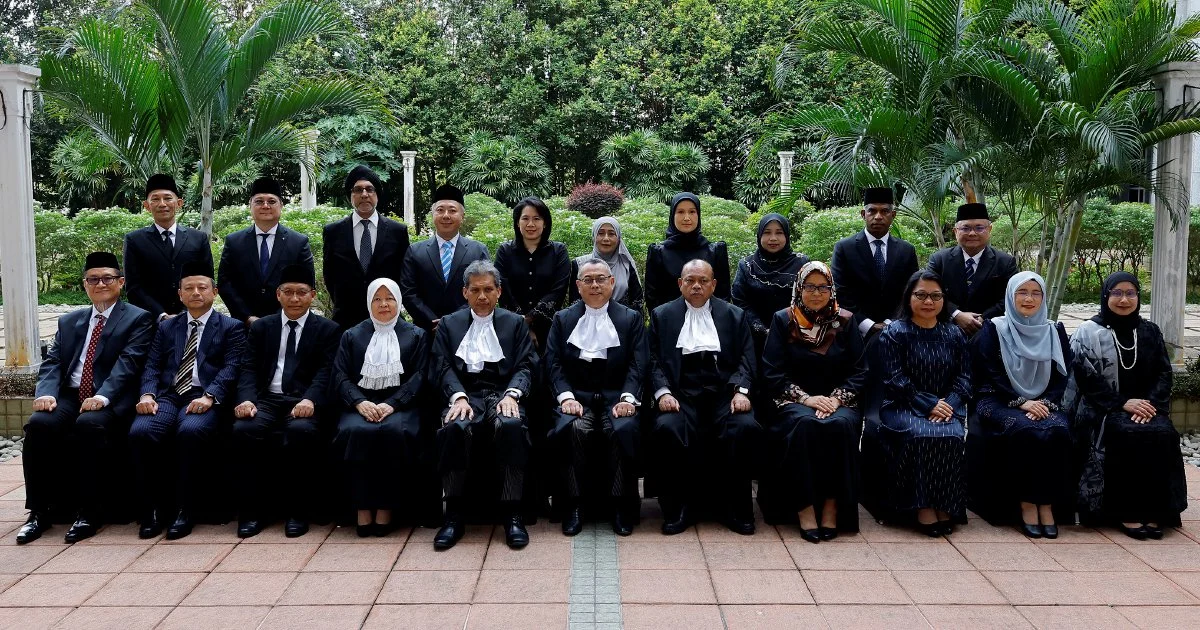
Seventeen legal professionals have been appointed as judicial commissioners to the High Court bench in a significant expansion of Malaysia's judicial capacity announced in Putrajaya. The newest cohort includes the daughter of a former Court of Appeal president, reflecting the deep expertise drawn from Malaysia's legal establishment in this round of judicial recruitment.
The appointments represent a continuing strategy to bolster the High Court's strength through the systematic elevation of experienced lawyers and legal service officers. These judicial commissioners, selected from within Malaysia's legal profession and the judicial service, bring varied experience from different practice areas and administrative backgrounds. The diverse appointment pool suggests an effort to ensure the bench reflects competence across multiple legal specialisations and perspectives.
Judicial commissioner appointments in Malaysia serve as a critical mechanism for expanding the court system's capacity to handle the substantial caseload that the judiciary manages annually. By drawing from established practitioners and experienced legal service officers, the appointment process leverages individuals with proven track records and demonstrated expertise. This particular batch of 17 additions to the bench extends a longstanding practice of identifying talented jurists from both private practice and government service roles.
The fact that a former Court of Appeal president's daughter was among those selected underscores the presence of established legal families within Malaysia's profession. Such appointments, while noteworthy for their personal connections, still reflect the rigorous selection criteria applied through Malaysia's judicial appointment process. The involvement of members from prominent legal backgrounds can strengthen institutional continuity and bring generational perspectives to judicial decision-making.
These appointments come at a time when Malaysia's courts continue to manage an increasing volume of litigation spanning civil, commercial, administrative, and constitutional matters. The High Court, as the country's primary court of first instance for serious matters, requires sufficient judicial capacity to ensure timely case resolution and access to justice. Additional judicial commissioners help distribute the workload more effectively across the bench, potentially reducing case backlogs and delays that can affect litigants throughout the region.
The appointment process for judicial commissioners in Malaysia typically involves careful vetting by relevant authorities to ensure candidates possess the requisite legal knowledge, professional standing, and judicial temperament. Those selected must demonstrate not only technical legal expertise but also the ability to manage complex proceedings, ensure fair hearings, and maintain the integrity of judicial proceedings. The diversity of professional backgrounds represented in this cohort suggests a comprehensive assessment of talent across Malaysia's legal sector.
From a regional perspective, Malaysia's consistent investment in its judicial infrastructure through such appointments reflects the country's commitment to maintaining an efficient and credible legal system. In a region where legal certainty and access to justice are critical factors for economic development and foreign investment, a well-staffed and capable judiciary becomes essential. Neighbouring Southeast Asian nations watch closely as Malaysia refines its judicial framework, as developments in Malaysia's courts can influence regional legal trends and best practices.
The inclusion of both established practitioners and legal service officers in this appointment round demonstrates recognition that judicial expertise develops through multiple career pathways. Some of the appointed commissioners may come from specialised practice areas such as corporate law, administrative law, or commercial litigation, bringing sophisticated understanding of complex modern legal issues to the bench. Others from the judicial and legal service background bring experience with the administrative dimensions of the court system itself.
Looking forward, these appointments represent intermediate steps in Malaysia's broader judicial management strategy. The judiciary must continuously refresh its bench through such appointments to maintain expertise, ensure succession planning, and accommodate evolving legal issues that require nuanced understanding. As Malaysia's economy expands and legal practice becomes increasingly sophisticated, the calibre and diversity of judicial commissioners become ever more significant.
The symbolic importance of this appointment round extends beyond mere numbers. By publicly announcing these judicial commissioners and their backgrounds, the judicial establishment affirms the meritocratic principles underlying judicial recruitment, even while acknowledging that professional networks and institutional knowledge play legitimate roles in developing legal talent. For Malaysian lawyers considering judicial careers, such appointments signal ongoing opportunities for advancement through demonstrated excellence in legal practice.

