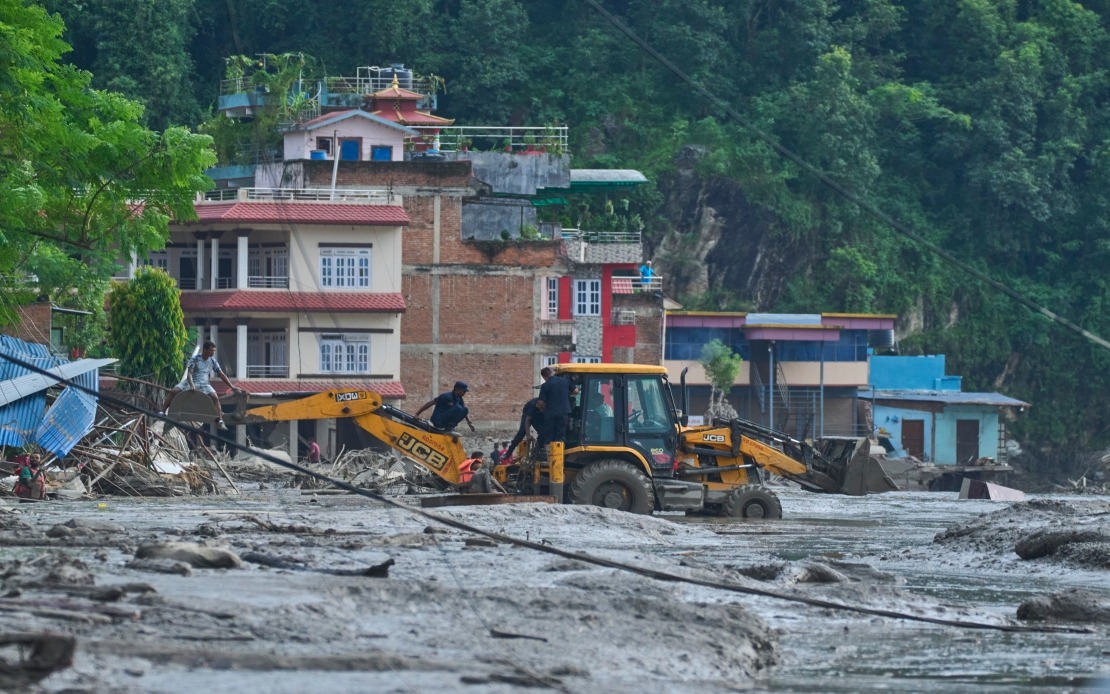
Seventeen Malaysian nationals have gone missing following a catastrophic flash flood that struck Nepal's Rasuwa district on Wednesday morning, according to Nepal's tourism board. The incident has left hundreds of foreign tourists and trekkers unaccounted for across the affected region, triggering an international search and rescue response. The disaster has become one of the most serious incidents involving Malaysian tourists in recent years, prompting immediate intervention from Malaysian government authorities.
According to Nepal's tourism board, the missing Malaysians were part of tour groups organised by Fishtail Tours and Travels, a tour operator based in Kathmandu. The agency was managing several trekking expeditions in the Rasuwa district at the time of the flooding. In an afternoon situation update, authorities reported that at least 291 foreigners from multiple countries and 93 Nepalese nationals have become uncontactable. The figure suggests that rescue efforts are still in their early stages and that the true scope of the disaster may not yet be fully understood.
The Malaysian Foreign Ministry initially reported that 11 Malaysian nationals believed to be in the Rasuwa district had lost contact following the flood, though the tourism board's figure of 17 missing Malaysians appears to have emerged from more comprehensive accounting by local tour operators. The discrepancy between initial reports and subsequent updates underscores the chaotic conditions on the ground and the difficulty in obtaining accurate information during the immediate aftermath of such disasters. The Malaysian Embassy in Kathmandu has been designated as the central coordination point for all efforts to locate affected citizens and verify their safety.
The Bhote Koshi river, which flows through the region, experienced a catastrophic surge during the flooding event. The surging waters swept away entire villages and obliterated critical infrastructure including roads, buildings, and several hydropower projects located in the Rasuwagadhi-Timure area. The destruction of roads has significantly hampered rescue operations, as search teams struggle to access remote mountainous areas where tourists may have been stranded. The loss of power generation capacity from damaged hydroelectric facilities has also complicated communication efforts in affected communities.
The international scope of the disaster is substantial. Indian nationals comprise the largest foreign contingent affected, with 142 Indians reported missing, including 37 individuals living abroad who were visiting Nepal as tourists. Citizens from Britain, South Africa, and the United States are also unaccounted for, indicating that the Rasuwa district had attracted a diverse international tourism clientele. This multinational character has required the coordination of multiple national governments and embassies operating in Kathmandu, adding layers of complexity to the overall response effort.
For Malaysian authorities, the situation presents significant diplomatic and logistical challenges. The Rasuwa district is a popular trekking destination, particularly for the Langtang Valley trails which attract many Southeast Asian visitors seeking high-altitude mountain experiences. The region's remoteness and challenging terrain, which typically makes it attractive to adventure tourists, now present serious obstacles for search teams attempting to locate survivors. Communication infrastructure in the area is limited, and aftershocks could trigger secondary flooding or landslides that would further endanger rescue personnel.
The Malaysian government's response has emphasised active coordination with Nepalese authorities and commitment to locating affected citizens. The embassy's engagement with local police forces and tour operators reflects a multi-agency approach to identifying the missing Malaysians. Search and rescue teams deployed by the Nepalese government are working under difficult conditions to access affected areas and conduct systematic sweeps of the region. The coordination process is expected to continue for days or weeks as affected areas are systematically searched and survivors are accounted for.
This incident carries sobering implications for tourist safety in the Himalayan trekking regions, which are annually visited by tens of thousands of Malaysians and other Southeast Asian travellers. While natural disasters in mountainous terrain are inherently difficult to predict, the involvement of a tour operator in organising the affected groups raises questions about safety protocols and emergency preparedness. Questions may emerge regarding whether tour operators adequately brief tourists about weather risks, maintain communication systems in remote areas, and have contingency plans for rapid evacuation when dangerous weather develops.
The psychological impact on families and communities back in Malaysia will be significant as information remains incomplete and uncertainty persists about the fate of the missing nationals. The Foreign Ministry's ongoing updates and the embassy's coordination efforts represent the government's attempt to provide timely information and reassurance during a period of genuine crisis. For many Malaysian travellers planning future trips to Nepal and similar destinations, this disaster will likely influence risk perception and travel decisions, potentially affecting tourism patterns in the region for months or years to come.

