Two hundred motorcyclists in Renggam received RM5 fuel vouchers on June 25 as part of a government initiative designed to ease the financial pressures facing everyday commuters in the district. The distribution exercise, carried out under the Jiwa@Komuniti MADANI Sembang Santai World Cup Edition programme in Kluang, represented a tangible effort to provide direct relief to a segment of the population heavily dependent on motorcycles for their livelihoods and daily transportation needs.
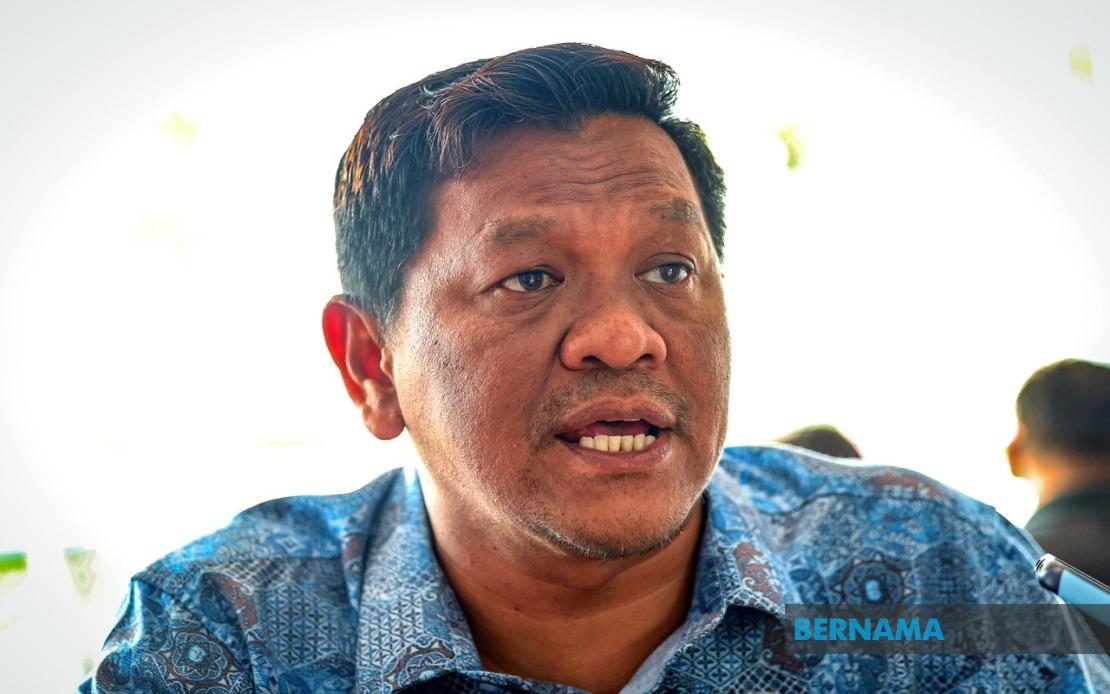
Abdullah Izhar Mohamed Yusof, political secretary to the Communications Minister, framed the initiative as an expression of governmental concern for citizen welfare and a demonstration of commitment to national unity. Speaking during the programme, he emphasised that such voucher distributions would become a recurring feature of the government's engagement strategy, signalling an intention to institutionalise direct assistance at the community level rather than treat it as a one-off gesture.
The programme extended beyond simple voucher handouts. Organisers integrated informational sessions and structured dialogue opportunities, inviting representatives from the National Security Council (MKN), the Information Department (JaPen), and the Department of Community Communications (J-KOM) to participate alongside local residents. This multifaceted approach reflected a deliberate strategy to combine material assistance with information provision and two-way communication channels.
According to Abdullah Izhar, the overarching objective centred on granting ordinary Malaysians direct access to vetted information about government policies and development programmes. By organising such grassroots events, officials sought to counter potential misinformation while simultaneously creating forums where residents could articulate grievances, pose questions, and offer suggestions regarding local governance matters. The emphasis on "accurate and authentic information" suggested an implicit acknowledgment of trust deficits that may exist between communities and government institutions.
For many Southeast Asian nations, including Malaysia, maintaining effective communication channels between state apparatus and peripheral populations remains a persistent governance challenge. Rural and semi-urban areas like Renggam often experience information asymmetries, leaving residents less aware of available assistance schemes or policy rationales. By deploying mobile outreach programmes that combine material relief with engagement activities, authorities attempt to address this gap while simultaneously gathering ground-level feedback on programme effectiveness and community concerns.
The voucher recipients themselves offered telling perspectives on the intervention. M. Raja, a 56-year-old father of five from Taman Sri Jaya, expressed gratitude while simultaneously articulating hope for programme expansion and increased frequency. His comment—that monthly distributions would be preferable—revealed both appreciation for assistance and awareness of his ongoing financial constraints. Such remarks hint at the persistent economic vulnerabilities facing working-class motorcyclists who operate at modest margins and face unpredictable fuel costs.
Similarly, 66-year-old Hee Eeck Kwe from Kampung Baru highlighted the inclusionary dimension of the programme, noting that rural populations sometimes face exclusion from assistance initiatives. His statement underscored an important tension within development policy: the difficulty of ensuring equitable distribution of government support across geographically dispersed and demographically diverse populations. By bringing assistance directly to rural communities rather than concentrating resources in urban centres, policymakers signalled recognition of this persistent disparity.
The choice of motorcyclists as a target beneficiary group merits consideration. Motorcycles represent the primary personal transportation mode for millions of Malaysians across income brackets, particularly in non-metropolitan areas where public transit remains underdeveloped. Soaring fuel prices have directly impacted household budgets for this constituency, affecting not merely commuting costs but the viability of informal economic activities and delivery services that many low-income Malaysians depend upon for income generation.
Abdullah Izhar's commitment to scaling such programmes nationwide suggests official recognition that targeted, regular material support at grassroots level constitutes an essential complement to macro-level economic policy. Rather than relying solely on broad-based fuel subsidy mechanisms, the government appears willing to implement direct distribution programmes that build rapport between officials and citizens while delivering tangible relief. This approach may also generate valuable feedback on programme design and community priorities that shapes future policy refinements.
The intersection of assistance provision with information dissemination and dialogue represents a holistic engagement model that extends beyond transactional service delivery. By creating spaces where citizens encounter government representatives in non-coercive settings while receiving material benefits, authorities cultivate relationship-building opportunities that may enhance long-term institutional trust. For Malaysian observers monitoring social cohesion and government-citizen relations, such programmes offer barometers of state capacity and political will to address grassroots economic anxieties.
Looking forward, the sustainability and scalability of such initiatives warrant close attention. Whether the promised regular iterations materialise, how programme beneficiaries expand beyond initial cohorts, and whether community feedback collected during sessions translates into tangible policy adjustments will determine the genuine developmental impact. For other Southeast Asian nations confronting similar challenges of rural inclusion and economic hardship, Malaysia's experience with targeted grassroots engagement may offer instructive lessons—though success ultimately depends on consistent implementation and responsiveness to community needs articulated during these crucial dialogue sessions.

