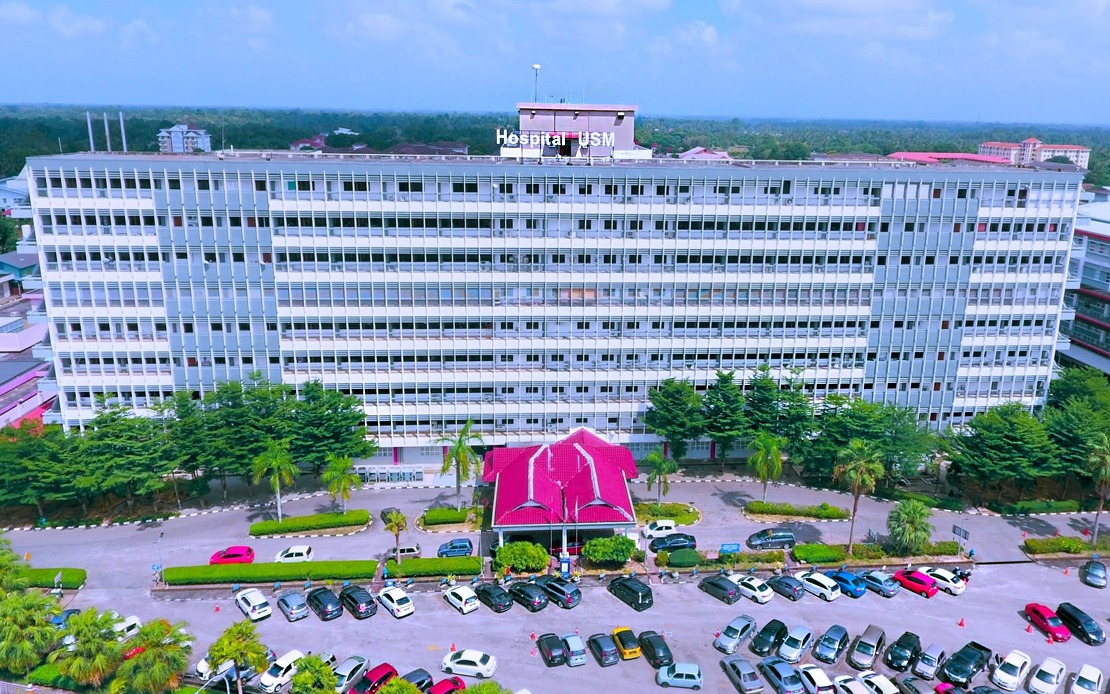
Twenty-three young people in Kelantan aged between seven and nineteen are set to receive corrective eye surgery this week at Universiti Sains Malaysia Specialist Hospital (HPUSM), marking a breakthrough in addressing a surgical bottleneck that has left many children and teenagers waiting years for treatment. The procedures will take place during the second Strabismus Surgery Carnival, running through August 20, with hospital leadership emphasising that the initiative represents a meaningful step toward clearing the backlog of cases across the state.
Strabismus, commonly known as eye misalignment or crossed eyes, has long presented a challenge within Malaysia's healthcare system. The condition occurs when the eyes fail to align properly, causing them to point in different directions. While many people perceive it primarily as a cosmetic concern, medical professionals stress that the implications extend far deeper into a patient's overall wellbeing and development. The delay in accessing surgical correction has meant that many younger patients have endured extended periods without treatment, compounding both the physical and psychological dimensions of the condition.
The timing of this surgical carnival represents a significant organisational achievement. HPUSM director Datuk Dr Ab Rahman Izani Ghani @ Ab Ghani explained to media that the hospital has been conducting systematic eye screening programmes across Kelantan schools for the past three years through its Short-sightedness and Strabismus Eye Intervention Programme. During this comprehensive screening effort, ophthalmology teams identified approximately 300 students presenting with various eye conditions, of which strabismus featured prominently. The ability to now schedule 23 of these identified cases for surgery during a concentrated five-day period demonstrates how coordinated clinical effort and resource planning can accelerate patient access to specialist care.
The carnival model itself brings together a multidisciplinary team of eye specialists. Ophthalmology consultants with particular expertise in strabismus procedures work alongside general ophthalmologists and postgraduate students undertaking specialised training in eye medicine. This collaborative approach serves multiple purposes simultaneously: it delivers surgical treatment to waiting patients, provides advanced training opportunities for future specialists, and builds institutional capacity within Malaysian healthcare to manage these cases more efficiently going forward.
Financial barriers have historically impeded access to strabismus surgery, particularly for families with limited means. In response to this challenge, the Kelantan Islamic Religious and Malay Customs Council (MAIK) has partnered with several non-governmental organisations to underwrite the surgical costs for patients participating in the carnival. This funding arrangement removes a critical obstacle that might otherwise prevent families from accessing necessary treatment, addressing not only the clinical need but also the socioeconomic dimensions of healthcare access within the state.
Professor Dr Shatriah Ismail, a paediatric ophthalmology specialist at USM's School of Medical Sciences, has articulated why reducing these surgical waiting periods carries such importance beyond mere physical correction. Strabismus fundamentally affects visual function, as the misaligned eyes struggle to work together in coordinated fashion, impairing depth perception and overall sight quality. More broadly, the condition influences eye coordination systems that develop during childhood and adolescence, potentially affecting visual development during critical periods of growth. The psychological and social ramifications prove equally substantial, as children and teenagers with untreated eye misalignment frequently experience reduced self-confidence and encounter difficulties adapting to everyday activities and social interactions.
The impact on young people's psychological development deserves particular emphasis. Children living with visible eye misalignment often face social stigmatisation or feel self-conscious about their appearance, factors that can influence academic performance, peer relationships, and overall emotional wellbeing. By reducing waiting times from years to days or weeks, initiatives like the surgical carnival remove barriers that force young people to navigate these challenges unnecessarily. The confidence gained from successful corrective surgery extends beyond improved visual function to encompass restored self-image and enhanced quality of life.
Knowing that approximately 300 students have been identified with eye problems through systematic screening reveals the substantial magnitude of unmet need within Kelantan's student population. While 23 surgeries represent meaningful progress, the screening data itself points to the necessity of sustained, ongoing programmes to identify and treat additional cases. The carnival approach, if sustained and expanded, could establish a model for other states to replicate, gradually addressing the broader challenge of strabismus management across Malaysia.
The five-day intensive schedule reflects how concentrated clinical effort can overcome systemic bottlenecks. By dedicating operating theatre time, specialist staff, and resources to focused surgical sessions, HPUSM demonstrates that ambitious throughput targets become achievable. This operational model warrants examination by other hospitals facing similar waiting list pressures, suggesting that the carnival concept could be adapted for other surgical specialties where backlogs create access problems.
For families across Kelantan whose children have been waiting for these procedures, the carnival offers concrete relief. The reduction of waiting periods from potentially several years to completion within days represents a transformative change in healthcare experience. Beyond the specific 23 students receiving surgery this week, the initiative signals that institutional commitment to addressing these delays exists and that solutions, while requiring coordinated effort and external funding support, remain achievable.
Looking forward, the success of this second carnival will likely inform planning for future iterations. HPUSM and its partners now possess operational experience in delivering intensive surgical programming at scale. Whether this initiative becomes an annual event, expands in capacity, or inspires similar programmes elsewhere in the region may depend on sustained funding partnerships and consistent stakeholder commitment. Regardless, the initiative demonstrates that systematic screening combined with concentrated surgical delivery can meaningfully improve healthcare access for young people across Malaysia.

