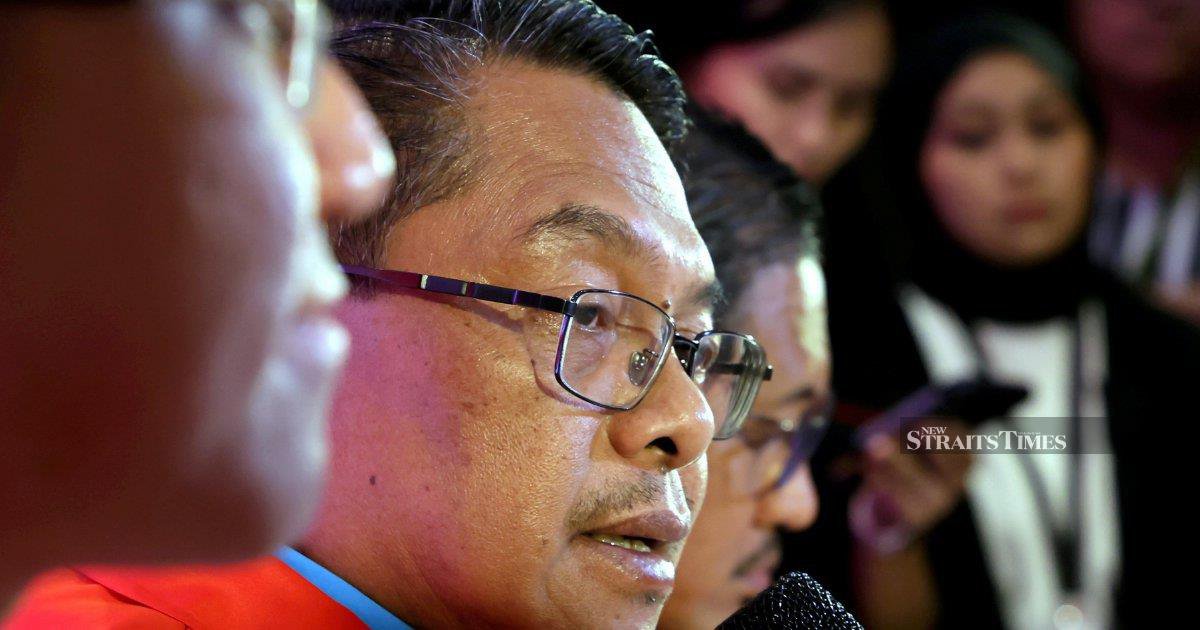
Plans to enhance the parliamentary voice of Sabah and Sarawak by raising their combined seat allocation to 35 per cent are still the subject of ongoing negotiations within Malaysia Agreement 1963 (MA63) discussions, according to Datuk Mustapha Sakmud, the Minister in the Prime Minister's Department responsible for Sabah and Sarawak Affairs.
The proposal addresses a longstanding concern about representation levels for Malaysia's two largest states by territory, both of which have distinct constitutional positions established during their federation into Malaysia in 1963. Currently, Sabah and Sarawak together hold approximately 57 seats out of a total of 222 parliamentary seats, representing roughly 26 per cent of the chamber—substantially below the proposed 35 per cent threshold. This disparity has fuelled persistent calls from both state governments for greater influence over national legislative processes that affect their interests.
The MA63 negotiation framework itself has become increasingly significant in Malaysian politics, serving as the constitutional bedrock upon which Sabah and Sarawak's participation in the federation rests. The two states retained greater autonomy in certain matters—including resource management, immigration control, and religious affairs—when they joined the federation alongside Malaya and Singapore. Any significant constitutional adjustments concerning these states must therefore navigate the sensitive terrain of federalism and the protection of state-level powers.
The 35 per cent proposal, if implemented, would represent a substantial realignment of parliamentary power distribution. Such an increase would grant Sabah and Sarawak roughly 77 seats combined, nearly a 35 per cent boost from their current allocation. This would position representatives from the two states to exercise considerably greater leverage in coalition-building, legislative debates, and budget allocations. For a region geographically vast but economically distinct from peninsular Malaysia, the enhanced representation could facilitate more tailored policy responses to local challenges ranging from infrastructure development to education and healthcare provision.
The sustained focus on this matter reflects a broader pattern wherein state governments in Sabah and Sarawak have leveraged their electoral importance during recent federal political transitions. Both states have become critical kingmakers in federal elections, a reality that underscores their numerical strength despite current underrepresentation. Recent federal elections demonstrated how voting blocs from these states could determine which coalitions achieve parliamentary majorities, effectively translating grassroots support into genuine negotiating power at national-level discussions.
From Malaysia's peninsular perspective, accommodating a significant increase in Sabah and Sarawak representation requires careful consideration of the balance between fairness and federalism. Peninsular states currently benefit from greater parliamentary weight relative to their populations in some cases, and redistributing seats necessarily involves complex political calculations. However, the principle of protecting minority interests and ensuring equitable voice within a federal system suggests that the concerns of Sabah and Sarawak warrant serious engagement rather than indefinite postponement.
The ongoing nature of these MA63 discussions indicates that federal authorities recognise the legitimacy of enhanced representation as part of negotiations, even if final agreement remains elusive. The inclusion of the proposal within formal MA63 talks—rather than dismissing it outright—signals acknowledgment of the constitutional foundations upon which Sabah and Sarawak's federation rests. This procedural inclusion itself carries weight, suggesting movement toward eventual resolution rather than symbolic debate.
For Malaysian observers in other regions, the Sabah-Sarawak representation question illustrates broader principles about how federal systems distribute power among constituent units. The resolution of this matter will likely influence expectations regarding representation adjustments elsewhere, making it a precedent-setting negotiation. If the 35 per cent proposal gains traction, it may establish a template for addressing perceived inequities in other federal arrangements or inspire similar conversations within ASEAN nations wrestling with similar federalism questions.
The timing of these ongoing discussions also merits attention, occurring as Malaysia manages multiple constitutional and governance questions simultaneously. The continued activation of MA63 as a negotiation channel demonstrates institutional commitment to addressing regional concerns through constitutional frameworks rather than through extra-institutional means. This preference for dialogue within established structures reflects lessons learned from previous periods of federal tension and represents a maturing approach to managing diverse interests within the Malaysian federation.
Looking forward, the trajectory of these negotiations will significantly shape centre-state relations for decades. Whether federal authorities ultimately grant the full 35 per cent allocation, counter-propose an alternative percentage, or seek creative constitutional solutions short of simple seat redistribution, the approach taken will send powerful signals about the Federation's willingness to accommodate regional aspirations. For Southeast Asian federalism more broadly, Malaysia's handling of the Sabah-Sarawak representation question may offer instructive lessons about sustaining multi-ethnic, multi-territorial unions while maintaining perceived equity among component states.

