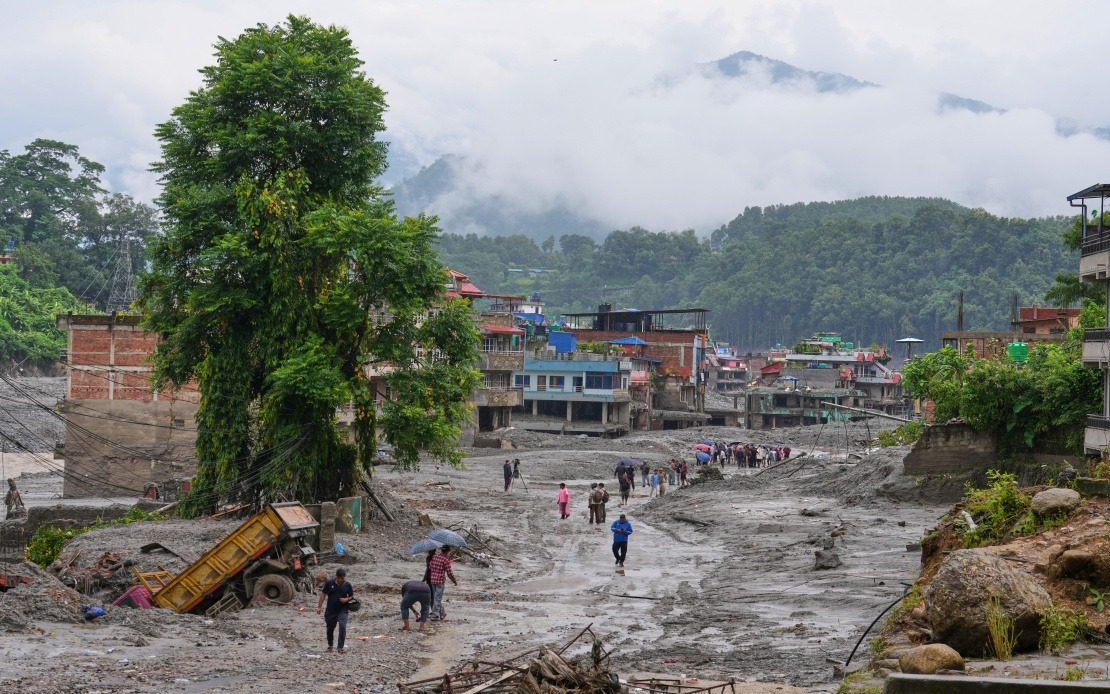
Nepal faces an unfolding humanitarian crisis following severe mudslides that have claimed at least 675 lives, with the death toll expected to climb as rescue teams continue operations across multiple districts. According to the National Disaster Risk Reduction and Management Authority, the grim recovery count was documented at 6.30 pm local time on Saturday, while authorities reported 2,498 additional people remain missing and presumed trapped in debris-buried communities.
The scale of the disaster extends beyond residents to encompass a substantial number of tourists caught in the affected regions. Nepal's Department of Tourism confirmed that 753 visitors had lost contact with authorities as of 5.30 pm on Saturday, representing a significant challenge for rescue coordinators managing both civilian and tourist evacuation efforts. Among the missing tourists, 589 are foreign nationals from various countries, highlighting the international dimensions of this natural disaster.
The primary impact zones include three districts of central Nepal—Rasuwa, Nuwakot, and Dhading—which bore the brunt of the mudslide devastation. These mountainous regions, prone to such geological hazards during monsoon seasons, have been rendered partially inaccessible, complicating rescue and recovery operations. Landslides in Nepal's hilly terrain represent a recurring seasonal threat, but the severity and geographic spread of this particular event suggests exceptionally heavy precipitation or unstable geological conditions triggered the cascading failures.
In response to the emergency, Kathmandu's District Administrative Office issued an urgent appeal on Saturday mobilizing the capital's civil society, business community, and individual citizens to contribute relief materials. The directive specifically requested assistance channeled toward victims sheltering in Rasuwa, Nuwakot, and Dhading districts, where infrastructure damage has likely disrupted supply chains and access to essential provisions. This appeal underscores the critical shortage of food, water, medical supplies, and emergency shelter required to sustain displaced populations.
For Malaysian and Southeast Asian observers, Nepal's disaster carries sobering implications regarding regional vulnerability to extreme weather and geological hazards. As climate patterns intensify across the Hindu Kush Himalayan region, neighboring countries including Malaysia, which faces similar monsoon-driven flooding risks, should scrutinize Nepal's emergency response mechanisms and infrastructure resilience. The mudslide phenomenon reflects broader environmental stressors—deforestation, slope destabilization, and concentrated precipitation events—that transcend borders and affect multiple nations across South and Southeast Asia.
The international tourist presence among the missing persons signals economic ramifications extending beyond Nepal's borders. Many of these visitors may originate from neighbouring Asian countries or further afield, creating diplomatic dimensions as nations mobilize their own rescue and assistance protocols. Travel advisories issued by governments and tourism authorities will likely impact Nepal's tourism sector, which constitutes a vital revenue source for the economy and employment for thousands of hospitality workers.
Nepal's disaster management system faces acute pressure as teams coordinate recovery efforts across challenging terrain with limited accessibility. The monsoon season, which typically concludes by late August or early September, continues to present hazardous conditions that may trigger additional secondary mudslides or flooding. Rescue personnel must balance urgency in locating survivors against operational safety, as unstable slopes and ongoing precipitation pose constant danger to recovery teams.
The massive number of missing persons relative to confirmed deaths suggests that many individuals remain trapped beneath mud and debris, with rescue teams still in early phases of systematic recovery. The mountainous topography and fragmented communication infrastructure in affected districts have hindered accurate casualty assessments, meaning official figures may substantially underestimate the true scope of the disaster. Past mudslide events in the Himalayan region have demonstrated that missing person counts often translate to death tolls within days or weeks of initial discovery.
Nepal's appeal for domestic relief assistance reflects both the scale of damage and the country's limited capacity to independently manage such a widespread emergency. The involvement of local associations, institutions, and private enterprises indicates mobilization of Nepal's civil society infrastructure, which often proves critical in post-disaster scenarios when formal government resources become overwhelmed. However, international humanitarian assistance will likely be required to adequately support displaced populations and reconstruct damaged communities.
For Southeast Asian nations including Malaysia, this disaster underscores the importance of investment in early warning systems, slope stabilization projects, and community-based disaster preparedness programs. Nepal's experience demonstrates how rapidly natural hazards can transform into humanitarian emergencies affecting hundreds or thousands of people, disrupting tourism economies and straining national resources. Regional cooperation frameworks focused on shared geological and climatic vulnerabilities could enhance preparedness and response capabilities across South and Southeast Asia.
The recovery phase will extend far beyond the immediate rescue operations, requiring sustained reconstruction efforts, trauma counseling for survivors, economic rehabilitation of affected communities, and infrastructure rebuilding in Rasuwa, Nuwakot, and Dhading districts. International donor coordination, led by organizations such as the United Nations and the World Bank, will likely mobilize financial and technical assistance. Nepal's government faces pressure to strengthen environmental safeguards and disaster risk reduction measures to prevent similar catastrophes during future monsoon seasons.

