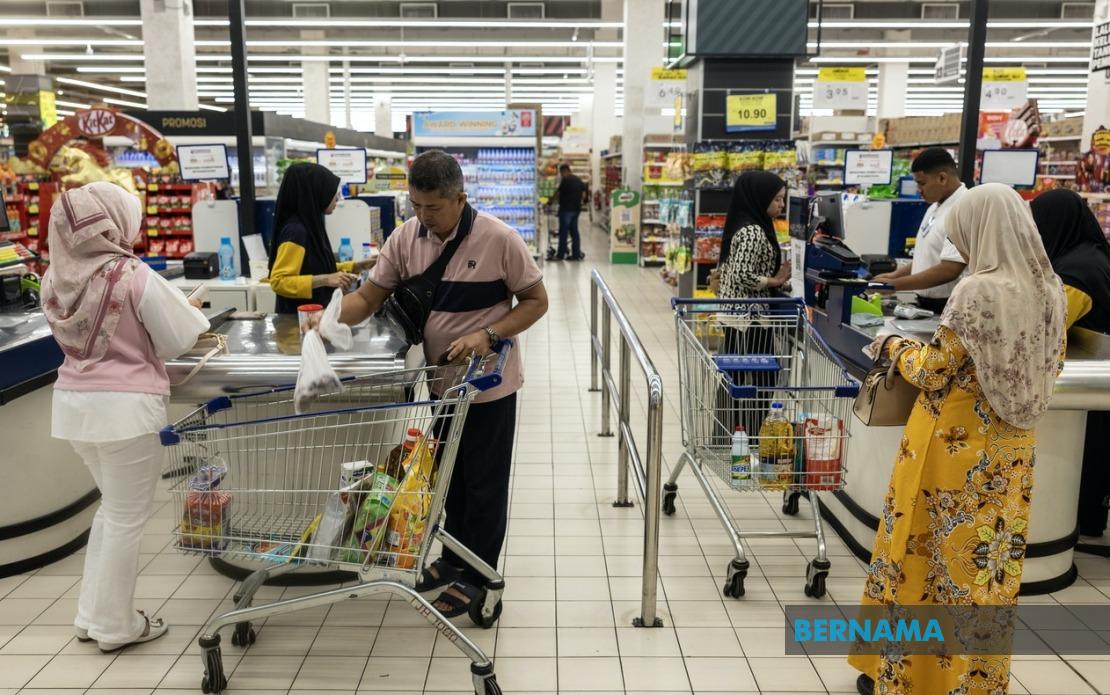
More than nine million low-income Malaysians receiving the Sumbangan Tunai Rahmah (STR) cash assistance are now eligible to access the mySalam B40 National Protection Scheme, according to Finance Minister II Datuk Seri Amir Hamzah Azizan. The scheme, which provides critical illness and hospitalisation coverage tailored for those in the bottom 40 percent of earners, represents a significant pillar of the government's social safety net architecture.
Since its inception in 2019 through the end of December 2025, the mySalam programme has distributed RM1.42 billion in claims across approximately 1.88 million individuals, demonstrating substantial uptake among vulnerable households. The remaining fund balance stands at RM490.9 million, positioning the scheme to sustain operations and potentially extend coverage in the medium term. Finance Minister Amir Hamzah disclosed these figures during parliamentary questioning, underscoring government confidence in the programme's continued relevance to its intended beneficiary population.
The trajectory of claims reveals accelerating utilisation rates, a critical metric for assessing whether social protection mechanisms are reaching those they target. During 2025, nearly 300,000 individuals lodged successful claims totalling RM276 million—a dramatic increase from 190,725 recipients in 2024. This year-on-year growth suggests either rising awareness among eligible households or increasing healthcare needs among the B40 cohort, or both. Early data from 2026 indicates this momentum persists, with an estimated 123,000 beneficiaries receiving RM108 million through May alone, projecting towards another robust claims year.
For Malaysian policymakers and regional observers, these numbers carry implications extending beyond simple healthcare provision. The mySalam scheme addresses a fundamental vulnerability in developing and lower-middle-income economies: catastrophic health expenditures that can devastate household finances and perpetuate poverty cycles. By protecting the B40 group from unexpected medical costs, the programme potentially enables families to maintain consumption, preserve savings, and invest in education and skills development rather than depleting resources during health crises.
The scheme's design targets a demographic particularly susceptible to financial shocks. STR recipients, by definition, occupy Malaysia's lower income brackets and typically lack employer-sponsored health insurance or substantial savings buffers. A serious illness requiring hospitalisation can force impossible choices between medical treatment and basic necessities. mySalam intercedes precisely at this intersection, reducing out-of-pocket burden and ensuring access to necessary care regardless of immediate financial capacity.
Parliamentary scrutiny of the programme reflects growing recognition among elected representatives that social protection deserves sustained attention. Datuk Awang Hashim's original question about scheme effectiveness prompted the comprehensive response, while subsequent questioning from Khoo Poay Tiong addressed continuity and expansion. This engagement suggests cross-party interest in understanding whether the investment achieves intended outcomes, a healthy democratic dynamic around social policy.
The government's indication that extension beyond current funding timelines remains under active review signals openness to prolonging the programme contingent on budgetary capacity and demonstrated need. With RM290 million projected to remain after mid-year utilisation, officials possess flexibility in planning next financial year's allocation. However, rising claims volume means each ringgit stretches less far, requiring careful actuarial analysis to determine whether current funding proves adequate for planned beneficiary levels.
From a Southeast Asian perspective, mySalam occupies important comparative space. Regional governments wrestle with similar challenges: extending health protection to informal-sector workers and low-income populations while managing fiscal constraints. Malaysia's accumulated experience—now spanning seven years—offers instructive lessons about programme design, claims management, and cost trajectories relevant to neighbouring nations designing or refining their own social health protection mechanisms.
The scheme's evolution also reflects broader Malaysian policy trends toward targeted rather than universal programmes. By tying eligibility to STR status, the government concentrates resources on demonstrably vulnerable populations rather than spreading support thinly across broader groups. This targeting approach maximises impact per ringgit spent but introduces administrative complexity and risks leaving deserving but ineligible individuals unprotected. The apparent success metrics suggest this calculation has worked reasonably well in practice.
Looking forward, the government faces strategic decisions about mySalam's trajectory. Extending the programme requires demonstrating fiscal sustainability while potentially expanding coverage or deepening benefits. Current fund management appears prudent, with ministers publicly acknowledging financial constraints while committing to continued refinement. This balance between ambition and realism resonates with Malaysian fiscal realities: substantial social programmes require careful sequencing and cannot expand indefinitely without revenue increases or other budgetary reallocation.
The rising claims volume merits closer examination of causal factors. Are more eligible individuals becoming aware of mySalam and accessing it? Are healthcare costs for the B40 population genuinely increasing? Are more serious health conditions emerging? Understanding these dynamics would inform projections about scheme sustainability and help policymakers calibrate future funding and design modifications appropriately. Transparent, regular reporting on such analytical questions would strengthen public confidence in social protection spending.
For Malaysian families within the STR system, mySalam represents tangible protection against medical emergencies that might otherwise require impossible financial choices. The accumulated RM1.42 billion in payouts translates to real individuals receiving necessary treatment, undergoing operations, and managing chronic conditions without catastrophic household financial consequences. These individual outcomes, multiplied across nearly two million beneficiaries, constitute the scheme's genuine measure of success beyond aggregate statistics and budgetary figures.

