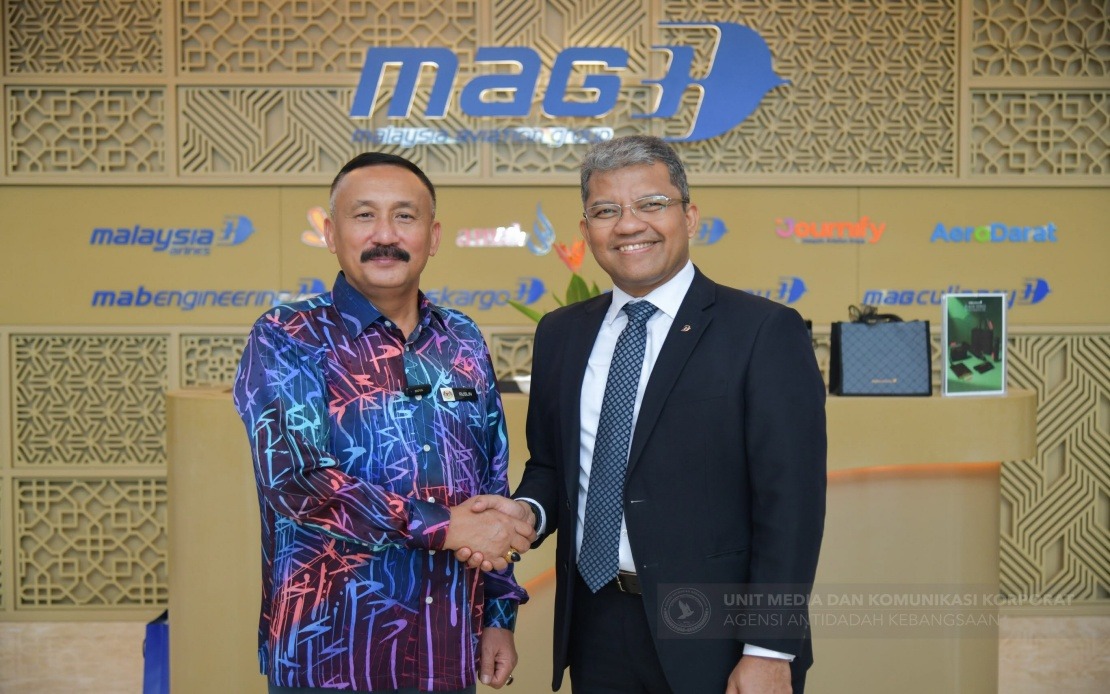
The National Anti-Drugs Agency (AADK) and Malaysia Aviation Group (MAG) have formalised a strategic partnership aimed at combating drug and substance abuse within the aviation industry. The collaboration, marked by the signing of a new memorandum of understanding, represents a significant joint commitment to safeguarding Malaysia's aviation workforce and the integrity of flight operations. By bringing together regulatory expertise and operational oversight from the country's leading anti-drugs authority alongside the nation's major aviation conglomerate, the partnership signals growing recognition that drug prevention must extend beyond traditional law enforcement into critical infrastructure sectors.
Datuk Ruslin Jusoh, the AADK's director-general, initiated the collaboration through a courtesy visit to Malaysia Aviation Group chief executive officer Captain Nasaruddin A Bakar at the group's Sepang headquarters. During their meeting, both leaders outlined an ambitious framework for workplace drug prevention that transcends conventional awareness campaigns. The discussions centred on embedding systematic anti-drug protocols throughout MAG's operations, with particular emphasis on Malaysia Airlines, the group's flagship carrier. This sector-specific approach reflects the heightened security and safety imperatives unique to aviation, where employee impairment could have catastrophic consequences.
Central to the partnership is the implementation of the Drug-Free Workplace (TEKAD) initiative across MAG premises and facilities. This proactive programme represents a departure from reactive enforcement towards preventative institutional design. By establishing drug-free workplace standards at MAG locations, the initiative aims to create organisational cultures that actively discourage substance abuse rather than merely penalising discovered offences. For an industry where precision, alertness, and reliable decision-making are non-negotiable, embedding these preventative measures into workplace infrastructure becomes a fundamental safety measure rather than merely a wellness initiative.
Ruslin emphasised that the collaboration serves dual purposes: strengthening institutional capacity at the AADK level whilst simultaneously leveraging MAG's operational reach and industry influence to amplify drug prevention messaging across Malaysia's aviation sector. The partnership essentially transforms MAG from a regulated entity subject to anti-drug oversight into an active stakeholder in national drug prevention strategy. This collaborative positioning acknowledges that major private sector organisations possess unique platforms, communication channels, and employee relationships that can reinforce anti-drug messaging far more effectively than government agencies operating independently.
The aviation sector presents particular vulnerabilities to drug-related risks. Flight crew, ground staff, maintenance personnel, and security personnel all perform safety-critical functions where substance impairment poses direct risks to passenger safety and operational security. International aviation authorities have long recognised that comprehensive drug prevention frameworks must encompass not only detection and punishment but also prevention, education, and organisational culture change. By partnering with AADK, MAG positions itself at the forefront of implementing best-practice standards that align with international aviation safety norms.
The partnership's emphasis on employee wellness and creating a supportive work environment suggests that the initiative extends beyond punitive approaches. Drug prevention in modern workplace settings increasingly incorporates elements of employee assistance programmes, rehabilitation support, and early intervention mechanisms. By framing drug prevention as integral to employee wellbeing rather than solely as a disciplinary matter, the AADK-MAG partnership may encourage greater voluntary participation in screening and counselling programmes. Employees more likely to seek help proactively if they perceive institutional support rather than solely institutional punishment.
For Malaysia's broader drug prevention strategy, this partnership carries significant implications. Aviation represents one of the nation's critical infrastructure sectors, and extending drug prevention frameworks into such sectors demonstrates government commitment to systematic, cross-sectoral approaches rather than relying exclusively on law enforcement interventions. The success of the AADK-MAG model could establish a template for similar partnerships with other critical infrastructure operators, including power generation facilities, telecommunications networks, and maritime transport companies. Each sector presents unique vulnerabilities and opportunities for preventative intervention.
The timing of this partnership also reflects evolving global drug trafficking patterns and changing substance abuse demographics. Southeast Asia continues serving as a major transit route for narcotics destined for international markets, whilst synthetic drug production within the region has expanded substantially. Domestic substance abuse patterns have shifted towards synthetic stimulants and prescription drug misuse, requiring updated prevention strategies beyond traditional approaches targeting heroin and cannabis. By formalising this partnership, AADK and MAG signal recognition that contemporary drug prevention demands sector-specific, institutionalised responses rather than generic awareness campaigns.
The presence of AADK deputy director-general (Operations) Zainudin Abdullah alongside delegations from both organisations underscores the official significance attached to this collaboration. The involvement of operational leadership rather than merely ceremonial representation suggests genuine institutional commitment to translating the MoU into concrete programmes and measurable outcomes. Subsequent success will depend on comprehensive implementation, adequate resource allocation, regular monitoring, and willingness to adapt strategies based on evolving evidence regarding programme effectiveness.
For Malaysian readers and the broader Southeast Asian context, this partnership exemplifies how government agencies and private sector organisations can cooperate on drug prevention without compromising operational autonomy or business interests. The model demonstrates that anti-drug initiatives need not impose burdensome compliance obligations if structured collaboratively. As drug-related challenges persist across the region, such partnerships may offer pathways for coordinated responses that leverage both regulatory authority and organisational capacity within critical sectors.

