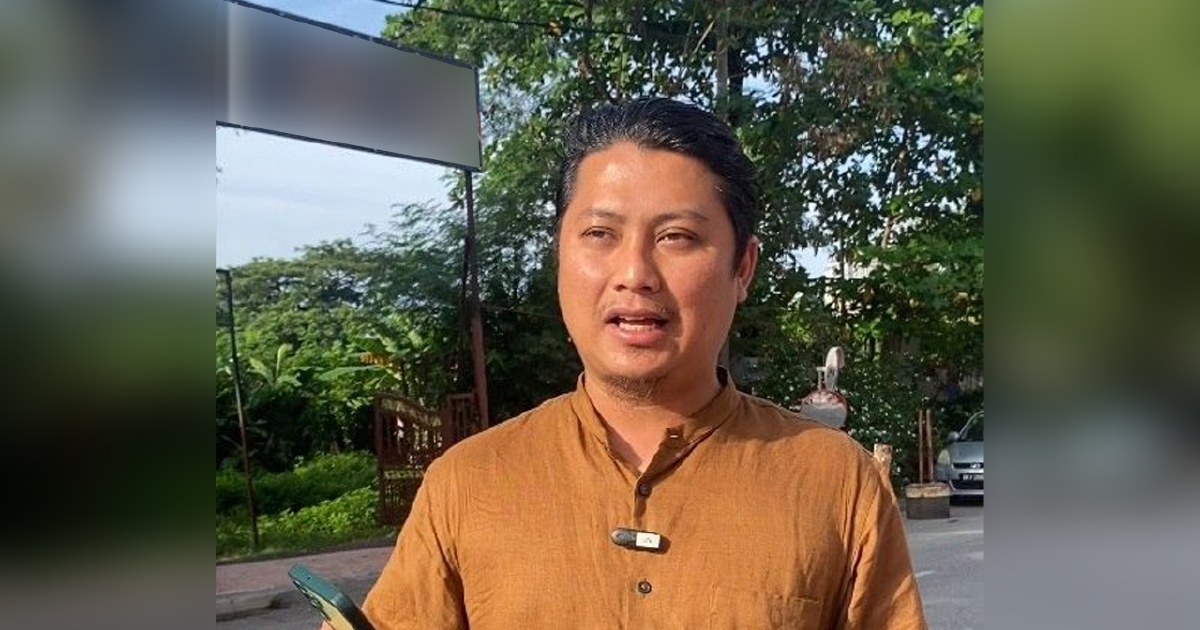
Activist Tamim Dahri Abdul Razak will appear before Langkawi magistrate's court to face charges related to allegations that he intentionally insulted another religion, marking a significant legal development in a case that has attracted considerable public attention. The activist, who had reportedly left Malaysia following a separate threat-related investigation on Facebook, is now facing this distinct religious insult charge in the island state.
The decision to prosecute Dahri under religious insult provisions reflects the seriousness with which Malaysian authorities treat matters involving inter-faith sensitivities. Such charges typically fall under legislation designed to protect religious harmony and prevent communal discord—principles deeply embedded in Malaysia's constitutional framework and criminal law. The distinction between this charge and the earlier Facebook threat case underscores how Dahri's actions have triggered multiple investigative pathways within the legal system.
The timing of this prosecution carries significance for Malaysia's ongoing dialogue around free speech and religious expression. Religious insult cases have become increasingly prominent in recent years, with courts and enforcement agencies demonstrating heightened scrutiny over statements or actions perceived as demeaning to any faith. For Malaysian readers, this case illuminates the boundaries between permissible activism and conduct that crosses into legal jeopardy, particularly when advocacy intersects with religious sensitivities.
Dahri's initial departure from the country following the Facebook threat investigation had raised questions about the nature of that case and whether it involved threats against his person or threats he himself had made. His subsequent return and imminent prosecution suggest that authorities were able to locate him and gather sufficient evidence to proceed with formal charges. The mechanism by which he was located and returned—whether voluntarily or through legal assistance channels—remains unclear but speaks to the reach of Malaysian law enforcement.
The magistrate's court in Langkawi, located on Malaysia's northwestern coast, will be the venue for these proceedings. As a significant tourist destination and Kedah state's primary international gateway, Langkawi's courts handle diverse cases involving both residents and visitors. The choice of this jurisdiction indicates that the alleged religious insult incident either occurred there or that investigative procedures led authorities to pursue charges in this location.
For the broader Southeast Asian context, Malaysia's approach to religious insult prosecutions carries regional implications. The nation's delicate religious and ethnic composition demands particular attention to inter-faith relations, and the legal system has been calibrated to prevent inflammatory speech that could ignite communal tensions. How courts handle such cases establishes precedent for what constitutes actionable religious insult versus protected speech—a distinction that remains contested in democratic societies.
The separate Facebook threat case from which Dahri reportedly fled adds an additional layer of complexity to his legal situation. If both cases proceed in parallel, he could potentially face multiple charges across different jurisdictions and legal provisions. This scenario would represent a comprehensive legal challenge requiring coordinated defense strategies and raising questions about the totality of circumstances that triggered governmental scrutiny of his activities.
Activism in Malaysia operates within a carefully delineated space bounded by national security considerations, religious sensitivities, and sedition law. Dahri's predicament illustrates how activists must navigate these constraints while attempting to advocate for their positions. Whether his alleged actions were genuinely insults to another religion or whether the charges represent an overreach of legal authority remains for the courts to determine, but the prosecution itself signals official determination to pursue the matter.
The case may influence how other activists calibrate their public statements and actions going forward. If conviction follows, it would establish a cautionary precedent about the consequences of conduct deemed insulting to religion. Conversely, acquittal or dismissal would send signals about the threshold courts require before sustaining such charges, thereby clarifying legal boundaries for civil society actors.
Malaysian civil society observers and international human rights monitors have often scrutinized religious insult prosecutions, with some arguing that such charges can be employed to suppress legitimate criticism or minority viewpoints. Dahri's case will likely attract similar scrutiny as stakeholders seek to understand whether prosecutorial decisions reflect genuine religious protection or represent efforts to silence particular voices in public discourse.
The magistrate court proceedings will require Dahri to respond to formal charges, enter a plea, and potentially mount a defense addressing the factual allegations and legal interpretations undergirding the prosecution. Depending on the magistrate's assessment of evidence and the severity of findings, the case might remain at magistrate level or proceed to higher courts, with corresponding implications for sentencing range and appellate options.
For Malaysian legal observers, Dahri's case contributes to an evolving body of jurisprudence on religious expression law. Each prosecution refined courts' understanding of what conduct genuinely constitutes insulting behavior versus what might fall within acceptable limits of expression, even when contentious or controversial. The Langkawi magistrate's handling of this matter will therefore resonate beyond the specific defendant, influencing how similar cases are prosecuted and adjudicated throughout Malaysian courts.

