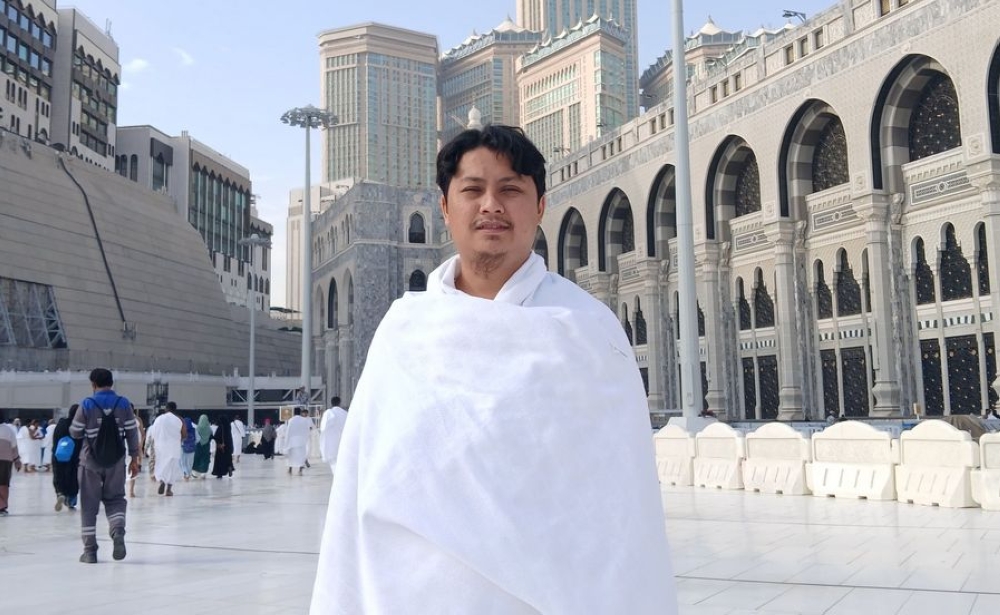
Activist and social commentator Tamim Dahri Abdul Razak finds himself back in police custody after authorities re-arrested him in Alor Setar following the expiration of his initial two-day remand period. The development marks a significant escalation in legal proceedings against the prominent figure, whose activities have frequently drawn public attention and occasional controversy in recent years.
The re-arrest underscores the ongoing tension between civil liberties and law enforcement operations in Malaysia. Police have indicated their intention to prefer formal charges against Dahri in the coming days, suggesting that investigators have gathered sufficient evidence to pursue the matter through the judiciary. The precise nature of the charges remains undisclosed at present, though officials confirmed that the legal process would advance following the conclusion of the current detention period.
Dahri's case reflects broader concerns about activism and free expression in Malaysia's contemporary landscape. The activist has cultivated a following through his commentary on social and political matters, which has occasionally intersected with sensitive topics that provoke official scrutiny. His detention and the prospect of formal charges raise questions about the boundaries of permissible advocacy and the application of relevant legislation by enforcement authorities.
The location of the arrest and remand in Alor Setar, the capital of Kedah, suggests that the allegations centre on matters within that state's jurisdiction. Kedah has witnessed various developments requiring police intervention in recent times, and the specific circumstances motivating action against Dahri would become clearer once charges are formally filed and details are disclosed in court proceedings.
For Malaysian civil society and observers of legal developments, the trajectory of this case holds significance. The handling of matters involving activists frequently becomes a touchstone for assessments of judicial independence and the application of the law according to established principles. The conduct of investigations, the grounds for remand extension, and the nature of charges ultimately preferred will all contribute to broader perceptions of how Malaysia's justice system manages cases touching on expression and activism.
The two-day remand period itself represents a standard prosecutorial tool in Malaysian criminal procedure, allowing investigators to detain suspects while gathering evidence and conducting interviews. The decision to re-arrest rather than release Dahri following this period indicates that police view the matter as requiring continued investigation or that they have determined sufficient grounds exist to seek charges. This prosecutorial judgment will now be tested in court, where defence arguments can be presented and judicial scrutiny applied.
Dahri's supporters and members of the broader activist community are likely watching developments closely, given the implications the case may carry for similar organisations and individuals. The outcome could influence how others engaged in commentary and advocacy calibrate their activities, depending on how courts ultimately adjudicate the charges and what precedent emerges from the judgment. Such cases frequently generate discussion about the proper scope of permissible speech and activism within Malaysia's constitutional and legal framework.
The upcoming charges will provide crucial clarity on the specific violations authorities believe have occurred. Depending on the legislation invoked—whether provisions relating to public order, communications, sedition, or other statutes—the case may illuminate how government interprets and applies these tools in the context of digital-age activism and social commentary. Malaysian legal observers will scrutinise both the charges themselves and the court's reasoning in determining liability.
From a regional perspective, Malaysia's handling of activist cases contributes to the country's standing within ASEAN and among international observers concerned with governance and rights issues. The consistency and transparency of judicial proceedings, the proportionality of charges relative to alleged conduct, and respect for procedural safeguards all factor into external assessments of Malaysia's commitment to rule of law principles. This case thus carries implications extending beyond the individual defendant to national reputation and standing.
The formal charges expected imminently will trigger the next phase of legal proceedings, including bail hearings, disclosure of prosecution evidence, and preliminary legal arguments. These developments will determine whether Dahri faces trial, on what specific counts, and with what prospect of conviction under applicable law. The case will ultimately contribute to Malaysia's evolving jurisprudence on activism, expression, and the boundaries of permissible conduct in an era of digital communications and social media.

