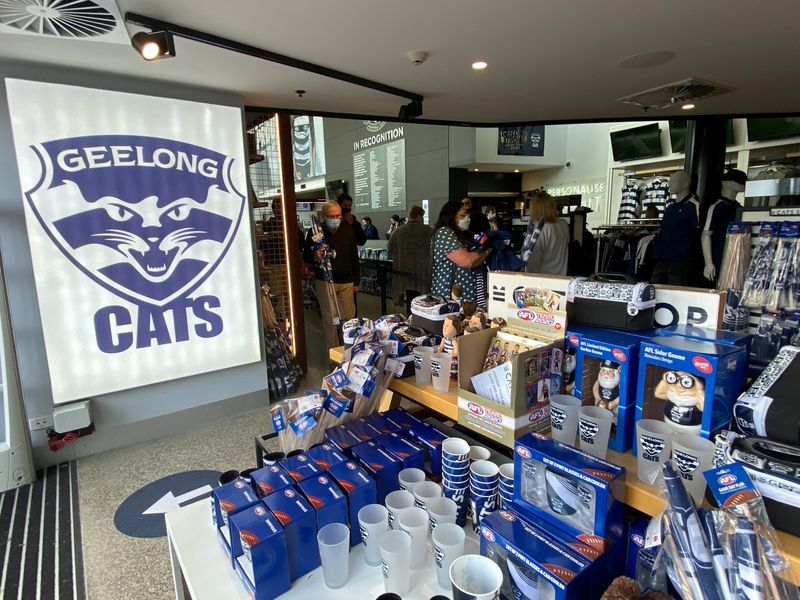
The Australian Football League has imposed a substantial fine of A$140,000 (approximately $100,500) on the Geelong Cats for breaching league regulations around player contract variations. The infraction centres on an "informed consent letter" that the club executed with championship-winning defender Jake Kolodjashnij two years prior, which contained language acknowledging the inherent dangers of competing at the highest level of Australian Rules football and effectively waived certain legal protections regarding head injury.
The arrangement between Geelong and Kolodjashnij emerged only after the Melbourne Herald Sun reported its existence earlier this month, sparking immediate public backlash and raising serious questions about player safety protocols across the competition. The player, who had experienced multiple concussive episodes throughout his career, had previously been cleared to compete by an official AFL medical panel and subsequently extended his contract through the 2026 season. However, the existence of this additional waiver document had never been disclosed to league authorities or the players' union, a critical procedural failure that ultimately triggered the investigation and penalty.
Following the public revelation, the AFL commissioned an independent review to examine the circumstances surrounding the consent letter. The inquiry determined that Geelong had violated league statutes by entering into an unauthorised modification to Kolodjashnij's employment agreement whilst simultaneously failing to submit the document to both the AFL administration and the Australian Football League Players' Association for mandatory oversight. AFL Commissioner Paul Bassat acknowledged in a public statement that although investigators found no evidence of deliberate concealment or intentional deception, the breach of established protocols warranted significant disciplinary action to reinforce compliance expectations across all clubs.
A notable dimension of this controversy involves the recusal of AFL Commission chairman Craig Drummond from the review process. Drummond held the presidency of Geelong at the time the waiver was negotiated and executed, creating an apparent conflict of interest that necessitated his withdrawal from the investigation. He subsequently issued an apology for administrative shortcomings in how the club managed the consent letter, acknowledging that procedures should have been more rigorous and transparent.
Geelong's official response emphasised that the club's underlying intention throughout the process had been to safeguard Kolodjashnij's wellbeing whilst affording him meaningful participation in decisions affecting his professional future. The club characterised the consent letter as an effort to balance protective measures with player agency. However, this narrative has faced criticism given that the document's existence remained hidden from both league officials and the players' union until media disclosure forced it into the open.
Kolodjashnij himself has navigated a difficult position since the controversy erupted. The player stated three weeks ago that he remained in good health and remained committed to his role within the Geelong squad, yet expressed disappointment that his private medical information had been exposed to public scrutiny without his consent. Significantly, he has not been selected for matches since July, raising questions about whether the fallout from the controversy has affected his playing status or relationship with the club.
James Gallagher, chief executive of the players' union, reaffirmed the AFLPA's commitment to supporting Kolodjashnij in the wake of the controversy. Gallagher stated unequivocally that the player should never have been placed in circumstances requiring him to sign away legal protections in exchange for continued employment, signalling the union's view that the waiver itself represented a problematic exploitation of the player's position. This response underscores growing tensions between player welfare advocates and club management practices.
The Geelong incident must be understood within a broader context of escalating concern about repetitive head trauma across professional sports globally. Repeated concussions have been linked to long-term neurological damage, and athletes in various codes have increasingly turned to litigation to seek accountability and compensation. The AFL itself has faced substantial legal exposure on this front: more than 100 former players launched a class action lawsuit against the league and individual clubs in 2023, claiming they suffered lasting harm and financial loss due to concussions sustained during their playing careers.
In response to the litigation and mounting public pressure, AFL leadership previously asserted that the organisation takes its duty of care toward player safety seriously, though officials maintained that the league would only be held financially responsible if a court determined actual wrongdoing had occurred. To demonstrate its commitment to player welfare, the AFL announced a A$25 million investment dedicated to researching the long-term neurological consequences of concussion and cumulative head impacts sustained in the sport.
The fine imposed on Geelong represents an attempt by the AFL Commission to enforce compliance with its administrative protocols and send a message to all clubs that circumventing established approval procedures will incur meaningful penalties. Yet the incident also reveals structural vulnerabilities in how the league monitors contract variations and protects player interests. The fact that a waiver document could remain undisclosed for two years suggests gaps in oversight and accountability mechanisms.
For the broader Australian Rules football community, the case raises uncomfortable questions about the balance between competitive pressure and player protection. Clubs seeking to retain key players may be tempted to negotiate arrangements that shield them from legal liability, whilst players facing pressure to extend their careers may feel compelled to accept such terms to maintain their income and professional status. Strengthening enforcement and transparency around such arrangements will likely become a focal point for the players' union and regulatory bodies moving forward.
The implications extend beyond Australian shores. As sports organisations worldwide grapple with player safety and concussion management, the Geelong case demonstrates that good intentions and claimed welfare commitments must be accompanied by transparent processes, independent oversight, and genuine adherence to established rules. Southeast Asian nations with developing professional sports industries can observe how lapses in governance and disclosure undermine trust in institutional safeguards.

