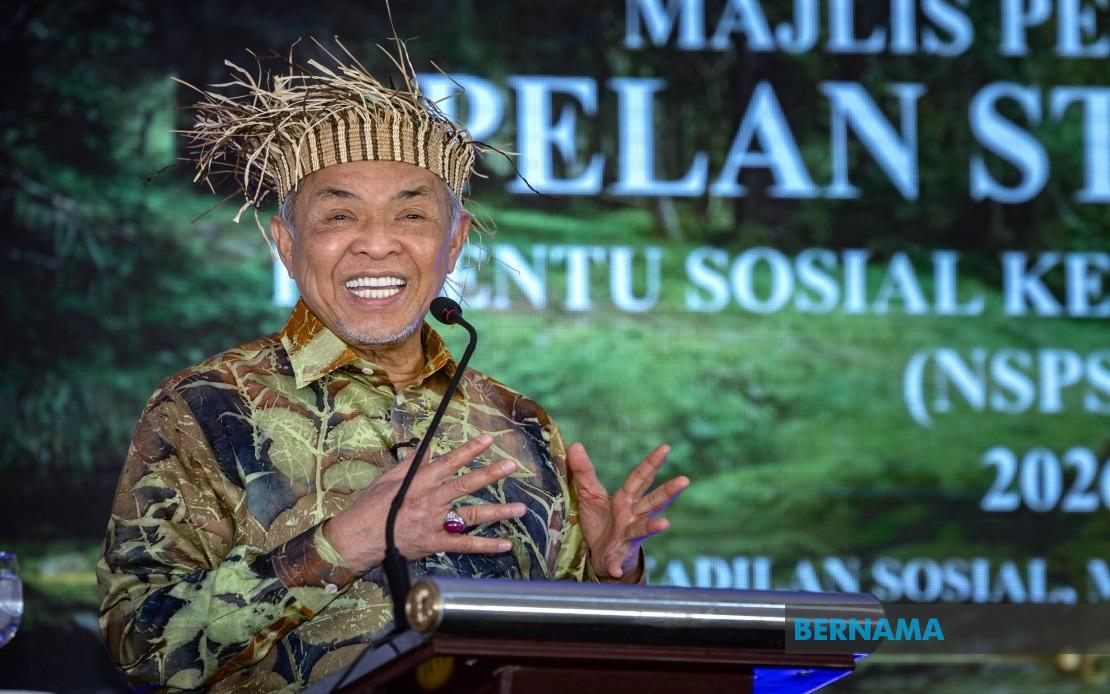
Deputy Prime Minister Datuk Seri Dr Ahmad Zahid Hamidi has called upon Malaysians to unite in prayer for the speedy recovery of Prime Minister Datuk Seri Anwar Ibrahim, who is resting following a minor surgical intervention. Zahid made the appeal while officiating the launch of the 2026-2035 National Social Determinants of Health Strategic Plan for Orang Asli at Kampung Air Banun in Gerik on Saturday, underscoring the importance of collective support during the Premier's recuperation period.
The Deputy Prime Minister revealed that Anwar had informed him of the impending procedure on Tuesday, August 4, and expressed confidence that the Prime Minister would require only a brief recovery window before returning to his official responsibilities. Zahid emphasised that despite the routine nature of the intervention, adequate rest remained essential for Anwar to regain his full capacity for leading the nation. He stressed the significance of the period ahead, noting that the public's well-wishes and prayers would contribute meaningfully to Anwar's restoration to health and vigour.
According to Datuk Dr Asri Ranga Abdullah Ramaiah, head of the Prime Minister's Medical Team, Anwar successfully underwent an elective laparoscopic surgical procedure on Saturday to address a para-umbilical hernia—a condition involving an abdominal wall protrusion near the navel. The minimally invasive approach employed in the operation is regarded as a standard treatment for such hernias, offering quicker recovery compared to traditional open surgery. The procedure proceeded without complications, conducted under the supervision of a specialised medical team equipped to manage any potential concerns.
The Prime Minister is currently engaged in physiotherapy as part of his structured recovery protocol, with the medical specialists maintaining close oversight of his rehabilitation. The laparoscopic technique, which utilises small incisions and camera guidance rather than large surgical openings, typically permits patients to resume normal activities within a relatively compressed timeframe. Anwar's medical team has ensured that every aspect of his recuperation is optimised to facilitate his return to full engagement with state business.
In a demonstration of institutional continuity, Ahmad Zahid confirmed that Anwar had requested him to oversee Cabinet proceedings during the Prime Minister's temporary absence from official duties. This delegation reflects established protocols for maintaining governmental operations and decision-making processes when the head of government requires medical attention. The arrangement ensures that critical administrative functions continue uninterrupted and that urgent matters requiring Cabinet-level deliberation can proceed without delay.
The news of Anwar's medical procedure and his subsequent rest period comes at a juncture when Malaysia's political leadership remains focused on executing the government's policy agenda. The elective nature of the surgery—meaning it was scheduled in advance rather than emergency in character—indicates that Anwar's condition was manageable and that timing could be optimised to minimise disruption to his official calendar. Medical professionals typically recommend such advance scheduling when a procedure is not immediately life-threatening, permitting better preparation and planning.
Ahmad Zahid's public call for prayers reflects a cultural recognition within Malaysian society of the role that collective spiritual and emotional support plays during periods of medical vulnerability. The statement also serves to keep the public informed about the Prime Minister's status while avoiding undue alarm, given the straightforward and minimally invasive character of the operation. Transparency about the procedure's nature and expected outcomes helps maintain public confidence in the government's functioning.
The recovery trajectory for laparoscopic hernia repair is generally favourable, with most patients experiencing significant improvement within days and a return to routine activities within one to two weeks. The physiotherapy regimen now underway will strengthen the surgical site and restore Anwar's muscular support systems, facilitating a comprehensive restoration of his physical capabilities. The medical specialists supervising his care will adjust the intensity and scope of rehabilitation based on his progress, ensuring that he does not resume strenuous duties prematurely.
From a governmental perspective, the smooth handover of Cabinet responsibilities to Ahmad Zahid demonstrates the institutional mechanisms in place to sustain executive operations during leadership transitions, however brief. This procedural stability is crucial for investor confidence, legislative productivity, and the continuity of policy implementation across various ministerial departments. Malaysia's political system has evolved mechanisms to accommodate such circumstances without creating governance vacuums or policy paralysis.
The timing of Anwar's surgical procedure during a period when major legislative initiatives and international engagements may be consolidated or deferred underscores pragmatic planning by the Prime Minister's office. By scheduling the operation when competing demands on his time could be minimised, the government maximises the likelihood of an uncomplicated recovery and swift return to full operational capacity. This strategic approach balances the medical necessity of adequate rest with the demands of leading a large nation with diverse economic and social priorities.
As Anwar undergoes his recovery in the coming days, the continuation of Cabinet governance under Ahmad Zahid's chairmanship will serve as a practical test of institutional resilience and the readiness of the broader ministerial apparatus to function effectively during leadership transitions. The Deputy Prime Minister's elevation of specific Cabinet functions and his engagement with public responsibilities, such as the Orang Asli health initiative launch, illustrate the government's commitment to maintaining service delivery and policy momentum despite the Prime Minister's temporary medical leave.

