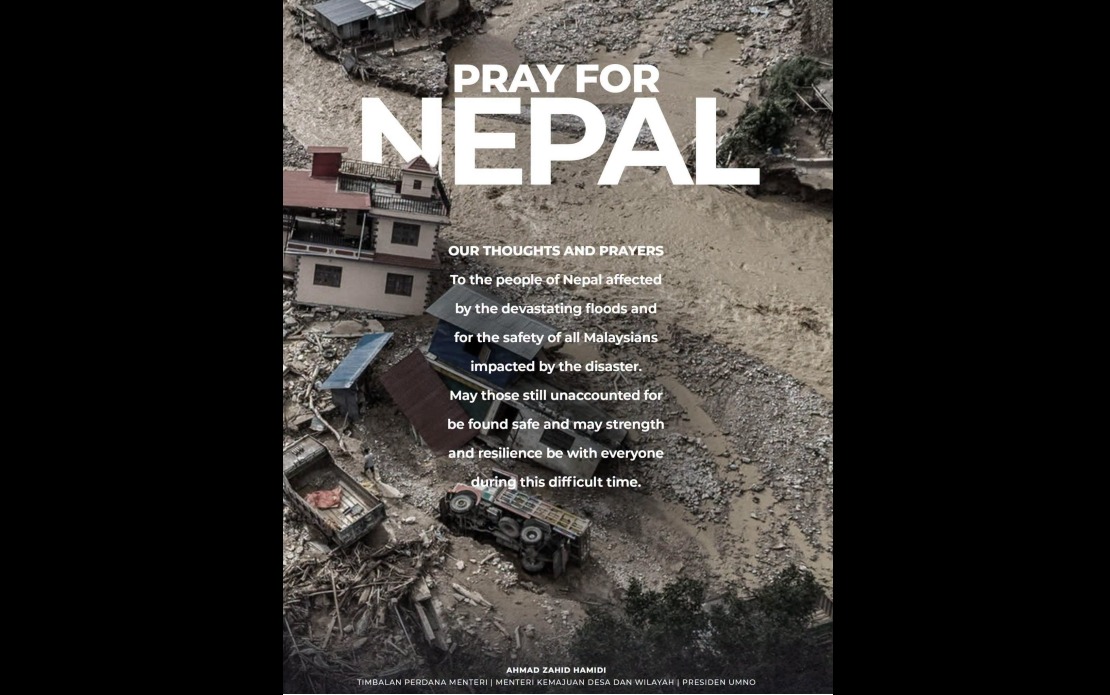
Deputy Prime Minister Datuk Seri Dr Ahmad Zahid Hamidi has voiced serious concern regarding Malaysians stranded or affected by the catastrophic floods ravaging Nepal, calling for their swift and safe recovery. In a statement released on Wednesday, Ahmad Zahid extended his condolences to grieving families and expressed Malaysia's solidarity with the Nepali people during this critical period of national crisis.
The scale of the disaster has proven unprecedented in recent years. According to figures compiled by Nepal's tourism board as of late Thursday evening local time, the confirmed death toll had climbed to 359 individuals, with the full extent of casualties likely still emerging as rescue operations continue across affected regions. Flash flooding triggered by unusually intense rainfall has devastated communities across Nepal, displacing thousands of families from their homes and destroying critical infrastructure in multiple districts.
Ahmad Zahid's remarks emphasised the human toll of the disaster, particularly the plight of those still missing or unaccounted for. His statement reflected broader Malaysian government concern for nationals caught in the emergency zone. The Deputy Prime Minister specifically highlighted the anguish of families awaiting news of loved ones, many of whom may have been in Nepal for tourism, business, or personal reasons when the disaster struck.
In his official statement, Ahmad Zahid articulated Malaysia's compassionate response to the emergency. He conveyed prayers for the safety of those still in danger and expressed hope that ongoing rescue operations would yield positive results. The Deputy Prime Minister's messaging appeared calibrated both to reassure Malaysian families anxiously monitoring developments and to signal the Malaysian government's commitment to supporting its nationals in foreign territories during crises.
The flooding represents a sobering reminder of the vulnerability that Malaysian travellers and expatriates face when natural disasters strike neighbouring countries. Nepal, a popular destination for Malaysian tourists seeking trekking adventures and cultural experiences in the Himalayan region, had likely hosted a significant number of Malaysian visitors at the time of the disaster. The country's tourism infrastructure, while developed along main routes, can become treacherous during monsoon season when heavy rainfall poses serious flash flood risks.
Ahmad Zahid's expression of solidarity extended to the broader Nepali population, acknowledging the collective trauma affecting the nation. Nepal, already struggling with infrastructure challenges and economic constraints, faces the enormous logistical burden of coordinating search and rescue operations across mountainous terrain while managing displacement of hundreds of thousands of people. The disaster underscores regional vulnerabilities to climate-related extreme weather events that increasingly affect South and Southeast Asia.
Malaysia maintains diplomatic ties with Nepal and has had historical people-to-people connections. The government's rapid official response through the Deputy Prime Minister's office indicates the importance placed on the situation. Beyond symbolic gestures, such statements typically signal that relevant Malaysian agencies—including the Foreign Ministry and immigration authorities—are actively working to locate and assist affected nationals, establish contact with Nepali authorities, and coordinate evacuation or support measures as needed.
The Deputy Prime Minister's emphasis on strength and resilience reflected a recognition that recovery from such catastrophic natural disasters extends far beyond the immediate rescue phase. Communities affected by the floods will face months or years of rebuilding, trauma counselling, and reconstruction of livelihoods. His invocation of spiritual comfort and hope addressed the deep psychological impact such events inflict on survivors and families of the deceased.
For Malaysian readers, the Nepal flooding offers important practical reminders about travel safety in mountainous regions during monsoon seasons. The disaster illustrates how quickly natural events can transform popular tourist destinations into crisis zones, emphasising the value of travel insurance, emergency communication plans, and awareness of local weather patterns. Malaysians planning trips to Nepal and similar regions should monitor seasonal weather patterns and maintain contact with their embassies.
The incident also highlights the interdependence of nations in managing international disasters. Malaysia, as a relatively developed economy in Southeast Asia, may potentially contribute to relief efforts through official channels or non-governmental organisations. Regional cooperation mechanisms, including ASEAN frameworks, can facilitate coordination of disaster relief and humanitarian assistance across borders, demonstrating the practical value of multilateral engagement beyond routine diplomacy.
As rescue operations continue and the full scale of the disaster becomes clearer, Malaysian authorities are likely maintaining close coordination with their counterparts in Kathmandu and other Nepali centres. The identification and repatriation of any deceased Malaysian nationals, should casualties occur among Malaysians, would fall to consular officials working in close consultation with Nepali authorities. Families of missing Malaysians can seek assistance through the Foreign Ministry's crisis hotlines and embassy services.

