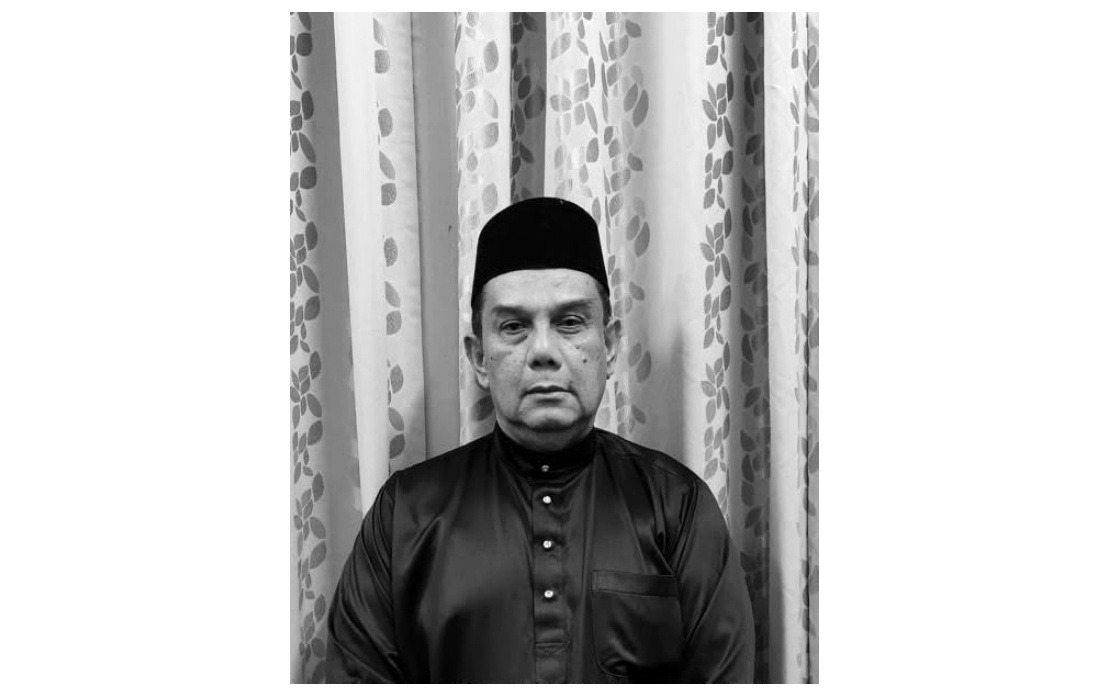
Datuk Jailani Harun, the veteran diplomatic officer attached to UMNO president Datuk Seri Dr Ahmad Zahid Hamidi, has died at Hospital Serdang in Kuala Lumpur. The death occurred at 11.34 am, with confirmation coming through the Office of the Deputy Prime Minister and verified by his eldest daughter, Nabilla, who is 33 years old.
The loss of Jailani represents the passing of a figure who bridged the worlds of journalism and government diplomacy. His career trajectory from newsroom to political circles reflects a common pattern among Malaysian professionals who transition between media and public service. Such movements often provide individuals with unique perspectives on communication and stakeholder engagement, skillsets that prove invaluable in advisory roles to senior political figures.
As a diplomatic officer to the UMNO president, Jailani would have held responsibilities encompassing media relations, public communications strategy, and inter-party liaison work. The position demands individuals capable of navigating the intricate relationship between political messaging and public perception—a challenge that intensifies during periods of political transition or electoral campaigns. His journalism background would have equipped him with an innate understanding of how information flows and how narratives develop in the Malaysian political ecosystem.
The arrangements for his final farewell reflect both traditional Islamic observance and formal protocols befitting his station. His remains will be transported to Al-Mubarakah Mosque located in Taman Bukit Cheras, where funeral prayers will be conducted. Following Islamic custom, the interment will take place at Alam Damai Cheras Cemetery after the Asar prayers, allowing family members and colleagues to pay their respects during the afternoon service.
Condolences from government circles came swiftly, with Communications Minister Datuk Fahmi Fadzil extending sympathies through a formal statement released via social media. His remarks invoked religious sentiment appropriate to the occasion, wishing strength and patience upon the bereaved family whilst calling for divine mercy upon the deceased. Such expressions from cabinet-level ministers underscore the standing that Jailani maintained within government and UMNO circles.
Jailani's career in journalism preceded his move into the political arena, a transition that mirrors the experience of several prominent figures in Malaysian public life who recognised opportunities to influence national discourse from within governmental structures rather than from the outside. His experience reporting on political developments would have granted him sophisticated knowledge of how government mechanisms function and how policy messaging reaches public audiences—knowledge that becomes strategically important when advising top party leadership.
The timing of his death carries significance given the current political environment in Malaysia, where UMNO navigates complex coalition dynamics and electoral considerations. The loss of experienced advisors, particularly those with media savvy and diplomatic acumen, can create communication gaps within political organisations. Successors to such positions require not only technical competence but also the trust of senior leadership and understanding of institutional culture—attributes that take time to develop.
For the broader Malaysian political commentariat, Jailani's passing marks the end of an era for one individual who witnessed and helped shape how information flowed within one of the nation's most significant political parties. Journalists-turned-officials occupy unique positions as interpreters of political intent to media gatekeepers and public audiences. His perspective on how UMNO communicated during various political climates would have represented valuable institutional memory.
The impact of such losses extends beyond immediate family circles to affect organisational functioning. Political parties and their leaders depend upon trusted advisors who understand both internal dynamics and external perceptions. When such individuals pass away, institutional knowledge diminishes and networks of trust require rebuilding. For Ahmad Zahid Hamidi's office, finding a replacement with equivalent experience and credibility presents a significant organisational challenge.
In the Malaysian context, where personalised networks remain central to political operations, the loss of long-serving advisors and diplomatic officers creates ripples through established channels of communication and influence. Jailani's years in journalism and subsequent diplomatic work positioned him as a bridge between different constituencies—a role that becomes increasingly important during politically volatile periods when messaging discipline and strategic communication determine electoral outcomes.
The passing of figures like Jailani Harun reminds observers that Malaysian politics depends substantially upon individuals whose contributions often remain largely invisible to the general public. These supporting cast members—advisors, strategists, and communication specialists—provide essential infrastructure that enables senior politicians to function effectively. Their expertise, built over decades in professional practice, becomes difficult to replicate when vacancies emerge.

